
(From: Swiss Federal Institute of Intellectual Property)
Rolex has registered a name that may point to a new movement technology. A Swiss trademark application for STELLOXI published last week covers Class 14, including watches and watch components. The filing does not say what Stelloxi is.
Rolex’s silicon hairspring, introduced in 2014, was named "Syloxi" and is made from a composite of silicon and silicon oxide. Currently used on small- and medium-diameter Rolex models and thinner watches, the material resists magnetic fields and compensates for temperature changes. The similarity in name raises the possibility that Stelloxi could be another silicon-based hairspring, though "Stell-" (from Latin stella, star, perhaps?) is even further away than "Syl-" for "silicon."
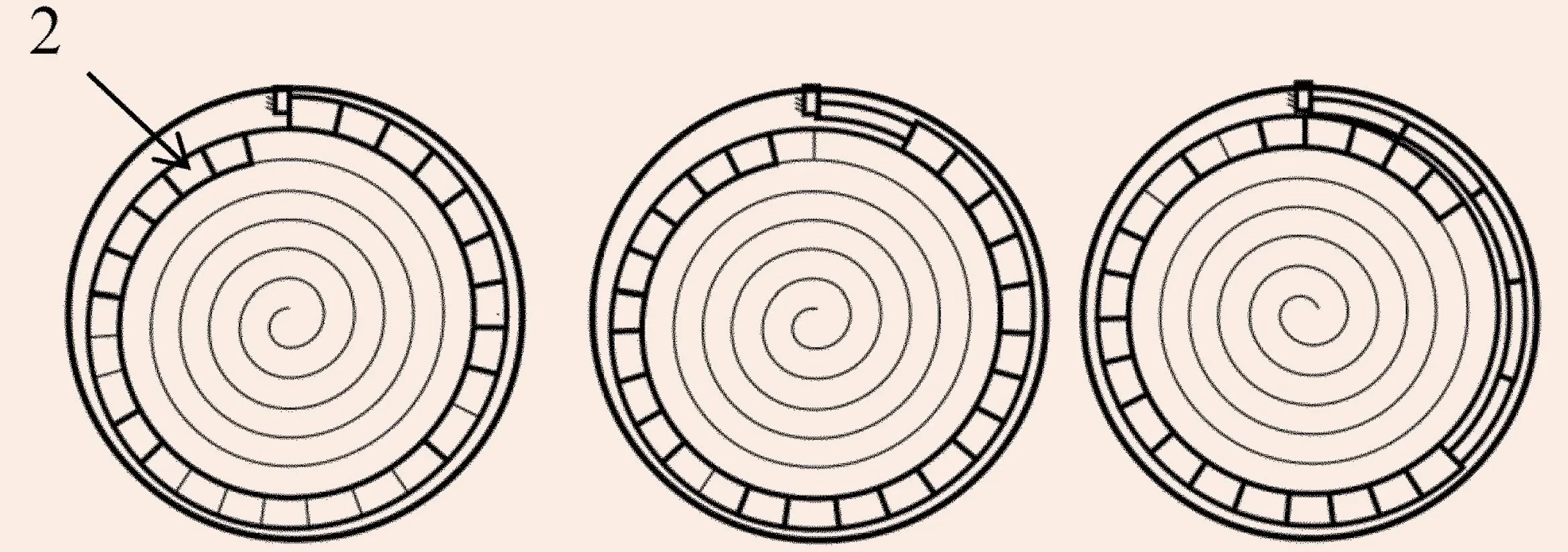
A Rolex patent previously covered by Coronet but not yet used in any Rolex watch replaces the conventional hairspring with a spiral made from hundreds of repeating, linked elements designed to store more energy in the same space, allowing a watch to run longer or power more complications — a moonphase, perhaps? — without a larger barrel.
(European Patent Office)
The patent says the spring could be made from silicon or silicon carbide, optionally coated with silicon oxide. None of that guarantees Stelloxi as the name of this invention. But a new Rolex spring in need of a name, silicon and silicon oxide, and a Syloxi-like trademark all make for an intriguing possibility.