
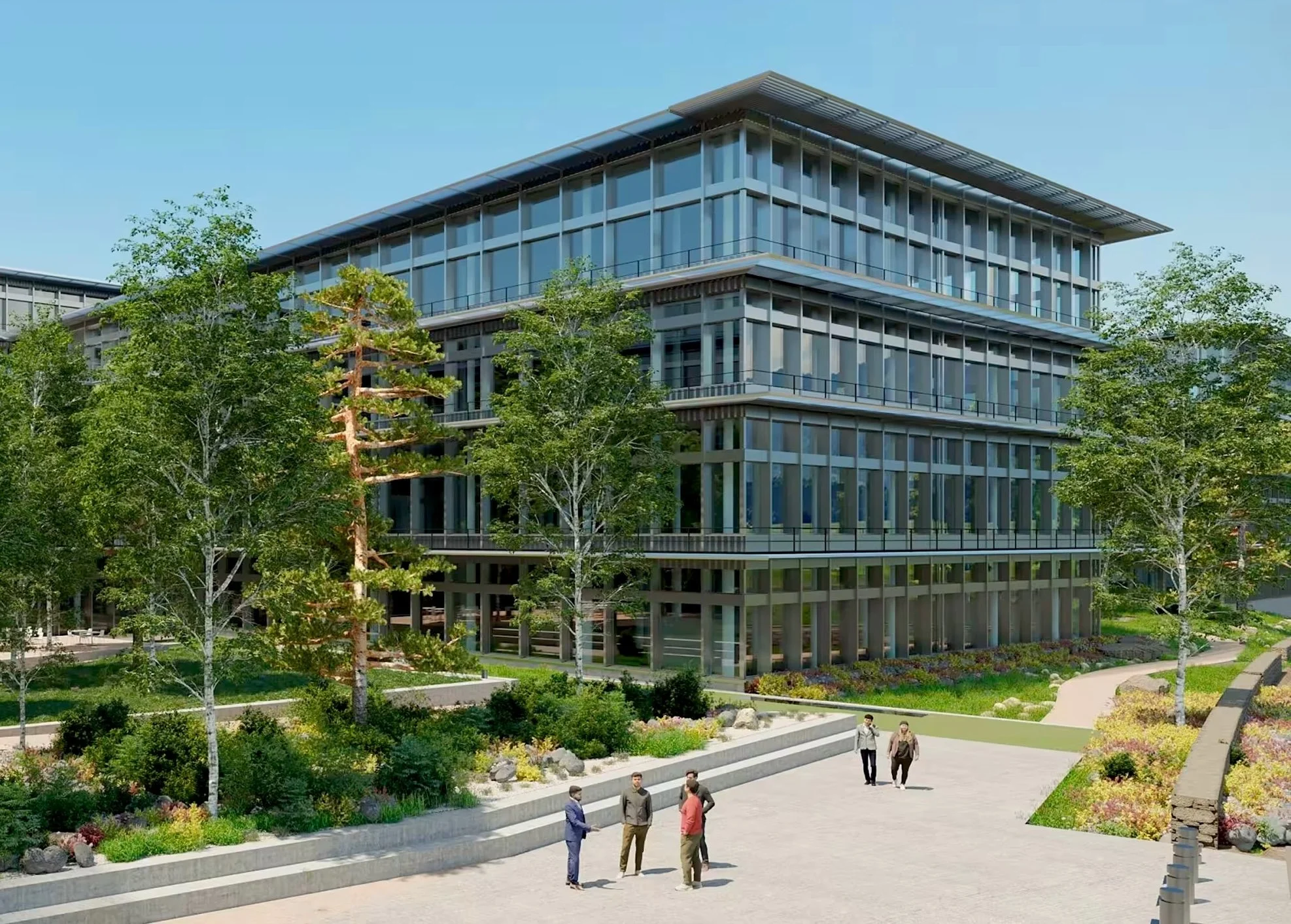
The new 3D renderings provided by Rolex offer the clearest look yet at its future manufacture. Construction began in 2025 just outside the Swiss town of Bulle, and the site is scheduled to open in 2029. From above, the site stretches across the countryside like a modern campus, with long glass buildings surrounded by green spaces, trees and curved access roads.
The building’s orientation, glazing, façade, envelope and overall design will reduce energy use by more than 10 percent compared with traditional builds, Rolex said. Heating will be almost entirely renewable, with 98 percent supplied through energy recovery systems. The site will connect to a district heating network, and no fossil fuels will be used.
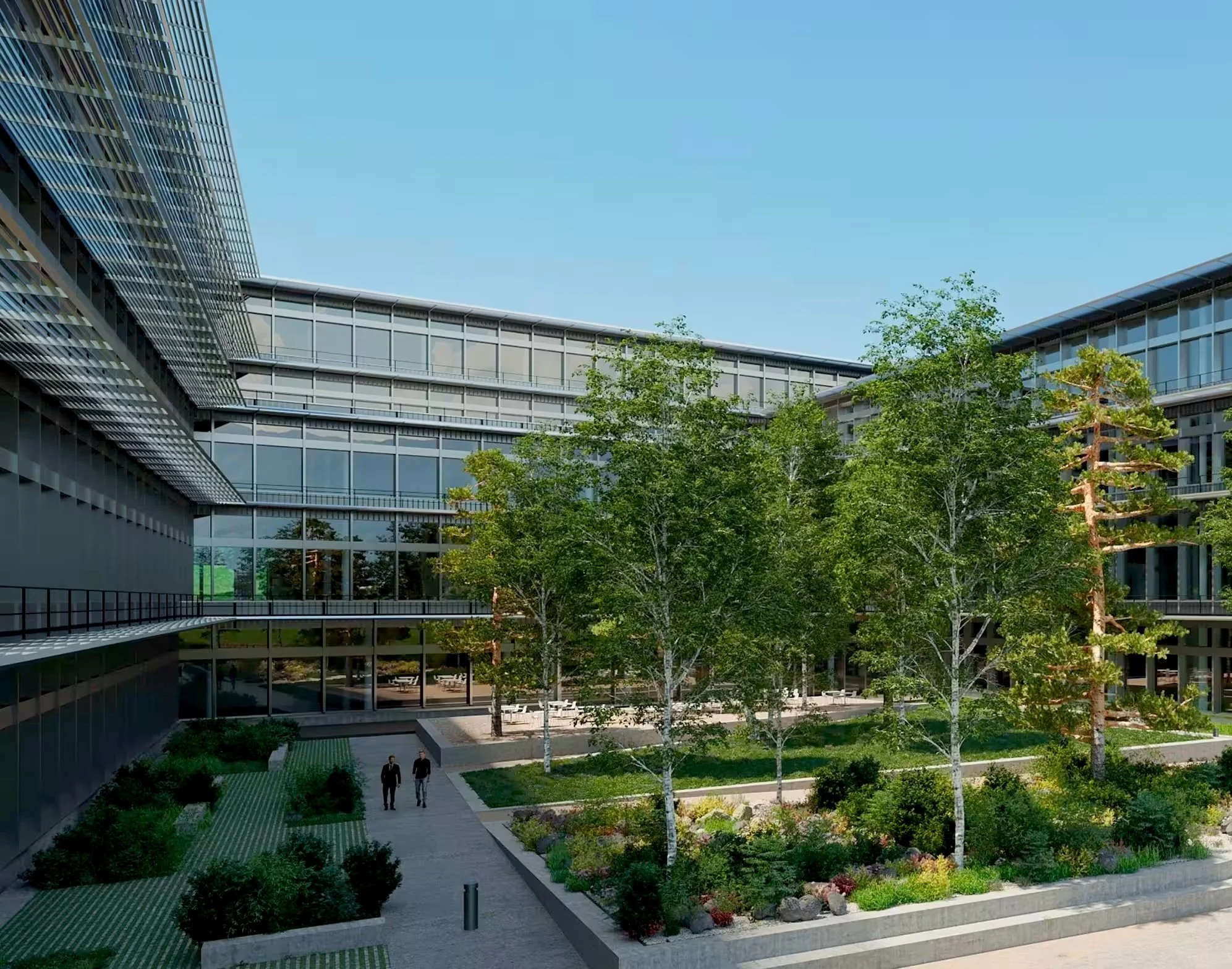
Illustration of Rolex’s future manufacture in Bulle. (Rolex)
Rolex said employees will enjoy optimal thermal and acoustic comfort, with natural light, wide views, generous walkways, and planted gardens. Parking will be capped beyond current legal requirements and supported by a “mobility plan” encouraging alternatives to private cars.
Rolex plans to plant 500 trees on the site, equip all roofs with solar panels and collect and treat rainwater for the grounds so that no drinking water is used for the 32,000 square meters of landscaping. The brand will also create 2,750 square meters of “wet surface friendly to amphibians.” Overall water consumption will be reduced by 75 percent compared with traditional builds thanks to extensive rainwater recovery systems.
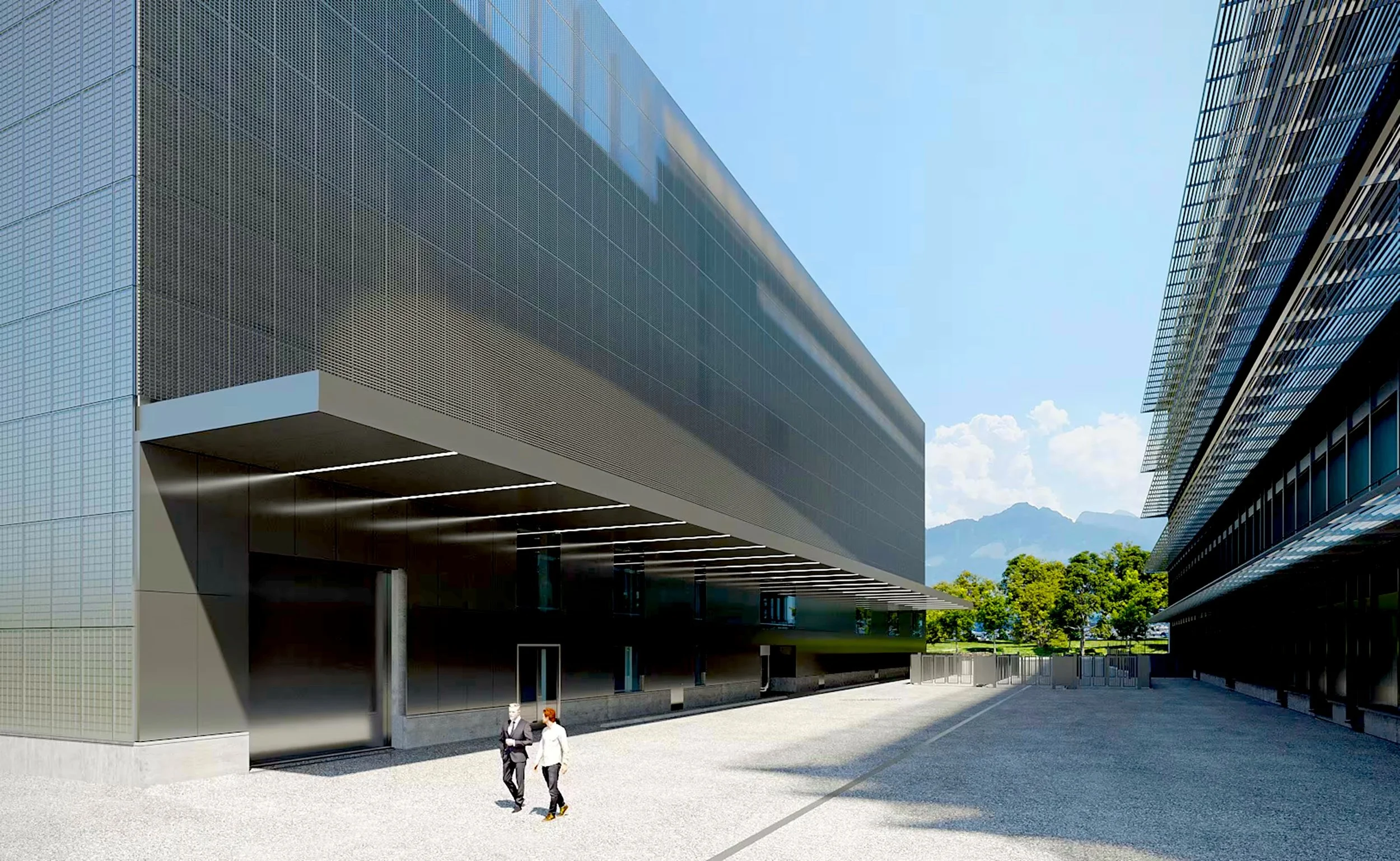
Illustration of Rolex’s future manufacture in Bulle. (Rolex)
From the outset, Rolex’s ambition for its newest manufacture has been high. The project aims to achieve BREEAM “Outstanding,” the highest certification level within the Building Research Establishment Environmental Assessment Method framework, with the goal of making it the first industrial building of its scale in Switzerland to receive such a distinction.
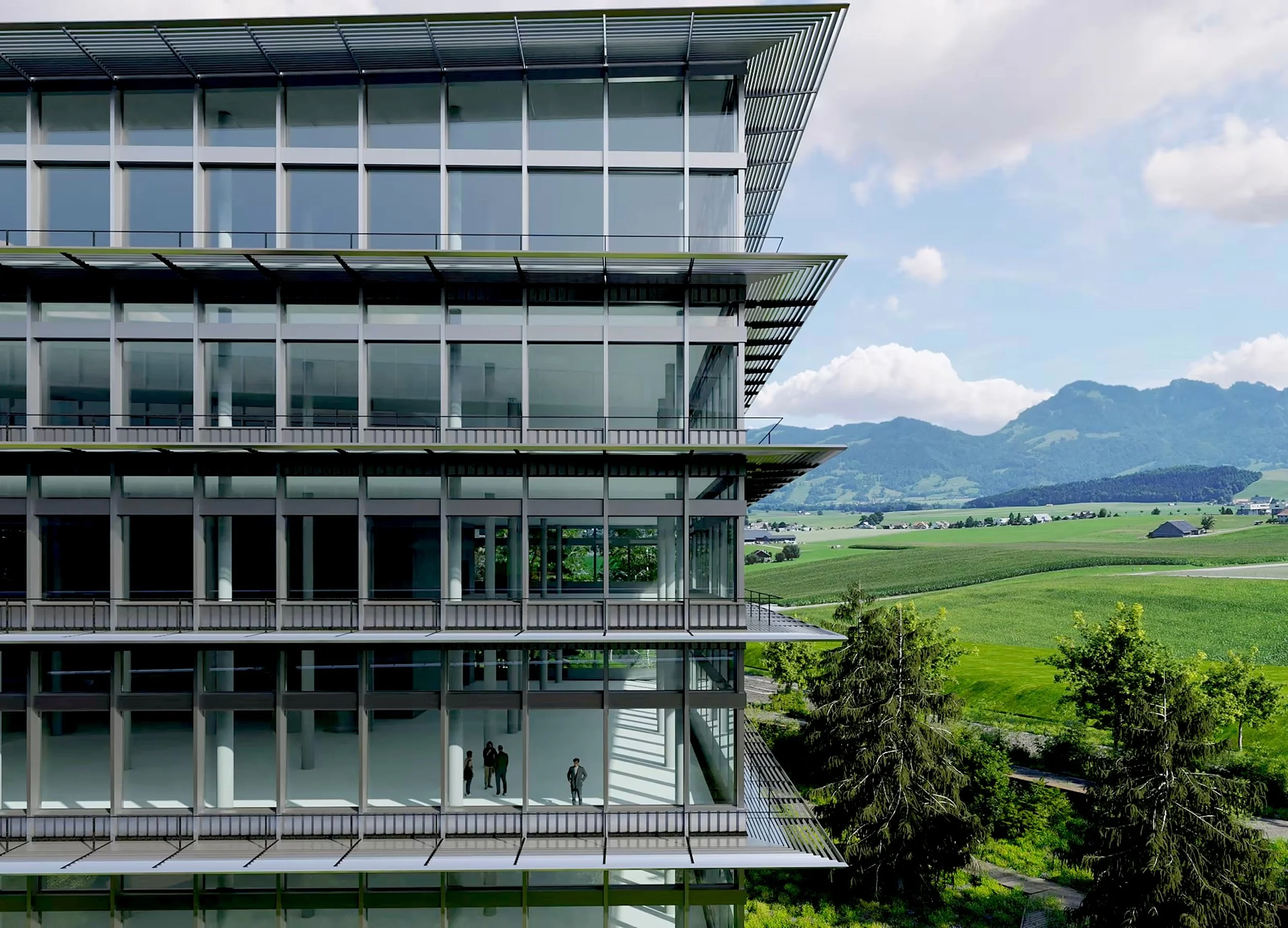
Illustration of Rolex’s future manufacture in Bulle. (Rolex)
During construction, Rolex will closely monitor environmental measures and apply a strict waste management plan designed to reduce waste at the source, maximize sorting and upcycling, and ensure full traceability through a centralized on-site system.
If delivered as planned, Bulle will not just expand Rolex’s production capacity; it will redefine what an environmentally responsible watch manufacture can be.