
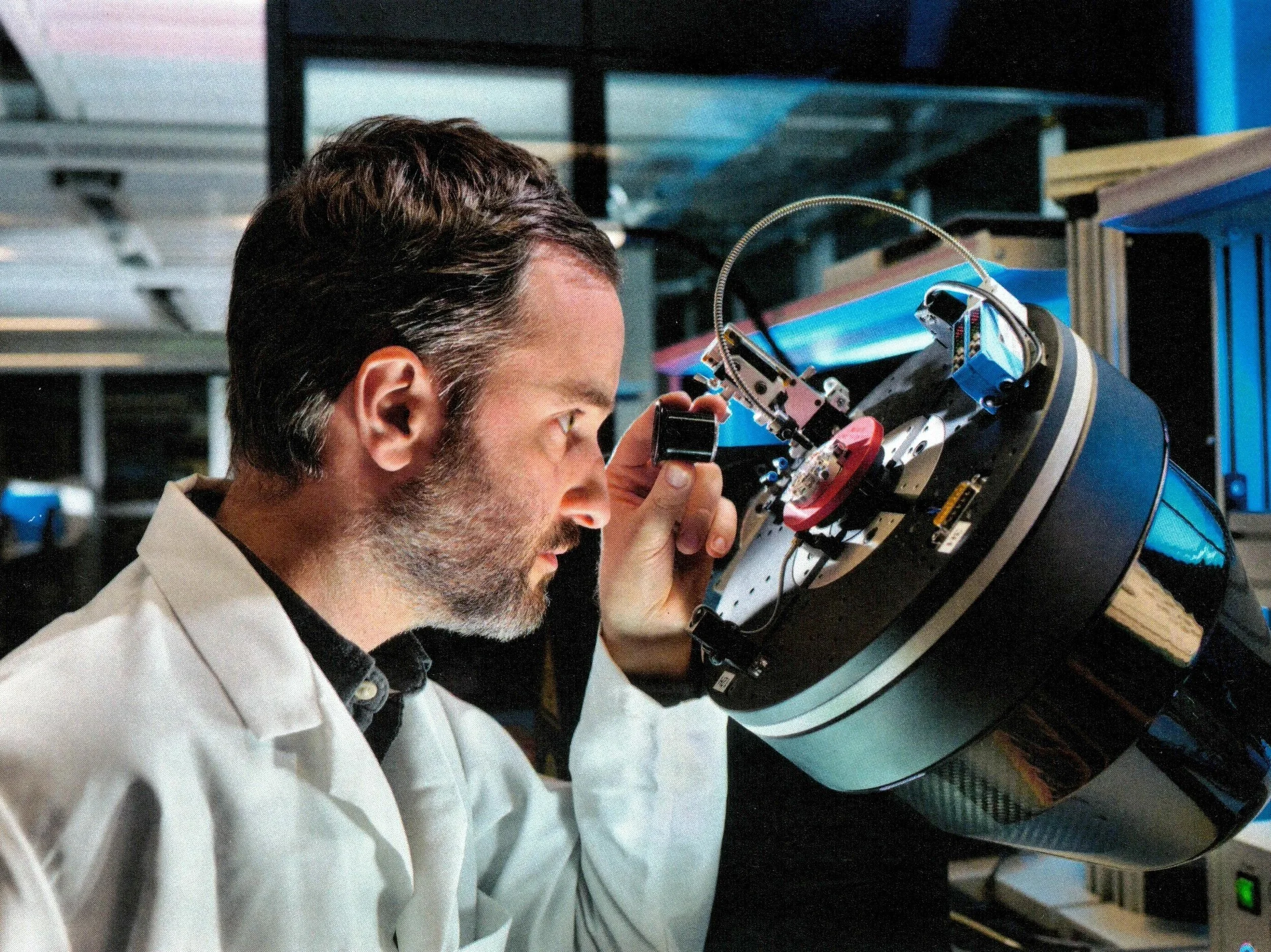
Behind Rolex's reputation for industrial quality lies Switzerland's largest concentrations of watchmaking talent. The biggest luxury brand in the world today employs 15,346 people worldwide, including 10,542 in Switzerland, where manufacturing remains concentrated in Geneva and Bienne. The figures in this article come directly from Rolex and are current as of 2025. They tell the story of a brand that has built one of the industry's largest and most diverse in-house manufacturing workforces, with low employee turnover while keeping its industrial expertise in a country less than 10% the size of Texas.

(Photo credit: Rolex)
Not surprisingly, the Canton of Geneva remains Rolex's largest employment center with 6,419 employees, followed by Bienne with 4,123, where the company's movements are manufactured. Women account for 4,399 employees in Switzerland, or 41.7% of the workforce, while men represent 58.3%. The company added 878 employees in Switzerland in 2025, with 447 hired in Geneva, 417 in Bienne and just 14 in Bulle, where Rolex is building a major new manufacturing campus scheduled to open progressively beginning in 2029.
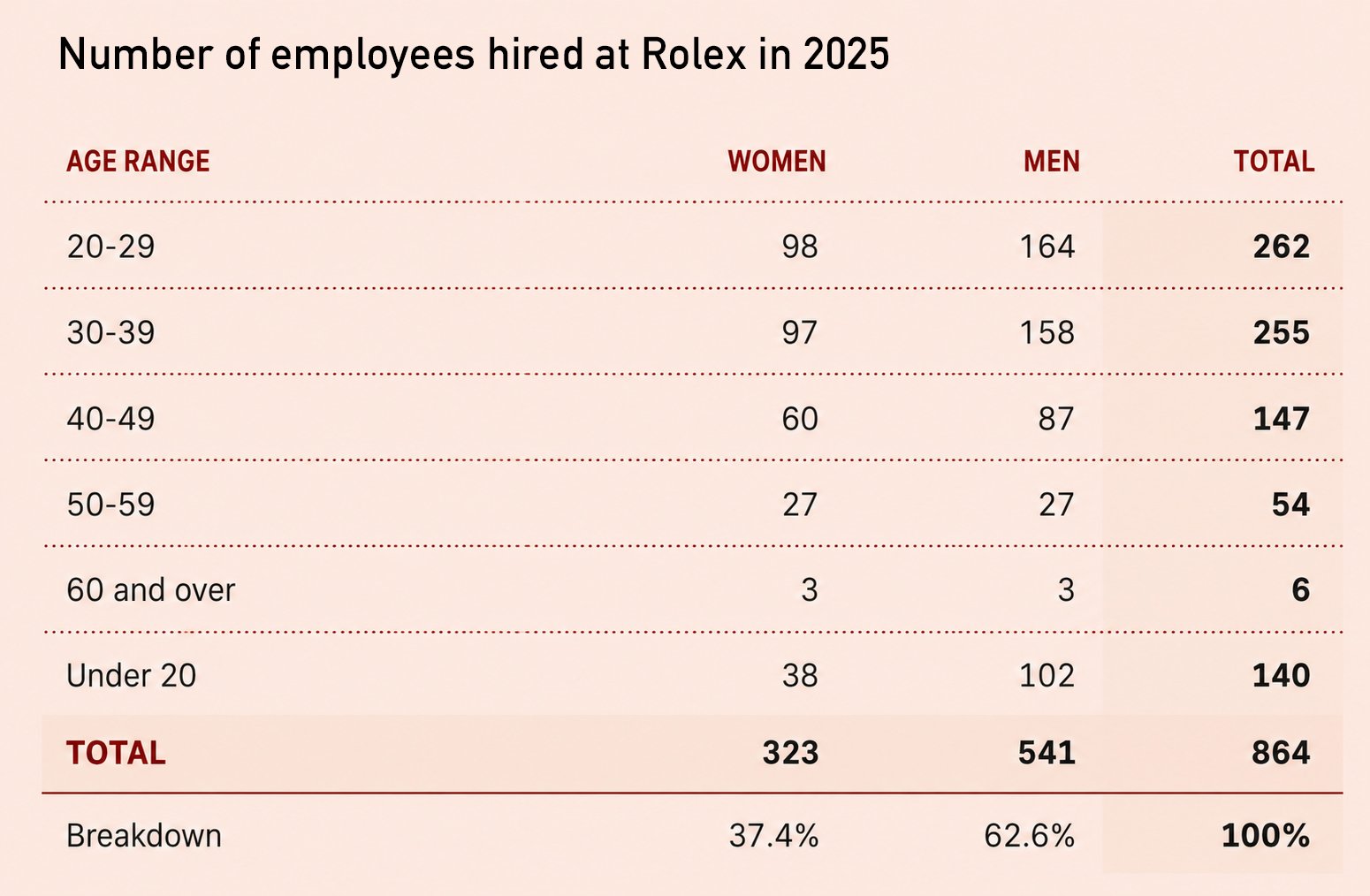
Rolex's 2025 hiring by age group and gender. (Data: Rolex)
For a company that has spent most of its history in Switzerland and keeps nearly all of its vertically integrated manufacturing there, Rolex has a surprisingly diverse workforce, with employees representing 99 nationalities in Switzerland alone. Women account for 41.7% of Rolex's Swiss workforce, well above the roughly 30% average in U.S. manufacturing. They remain underrepresented in leadership, however, holding 20.5% of Rolex management positions. Women also make up 27% of the brand's apprentices as the company expands efforts to recruit more young women into technical and engineering careers.
(Photo credit: Rolex)
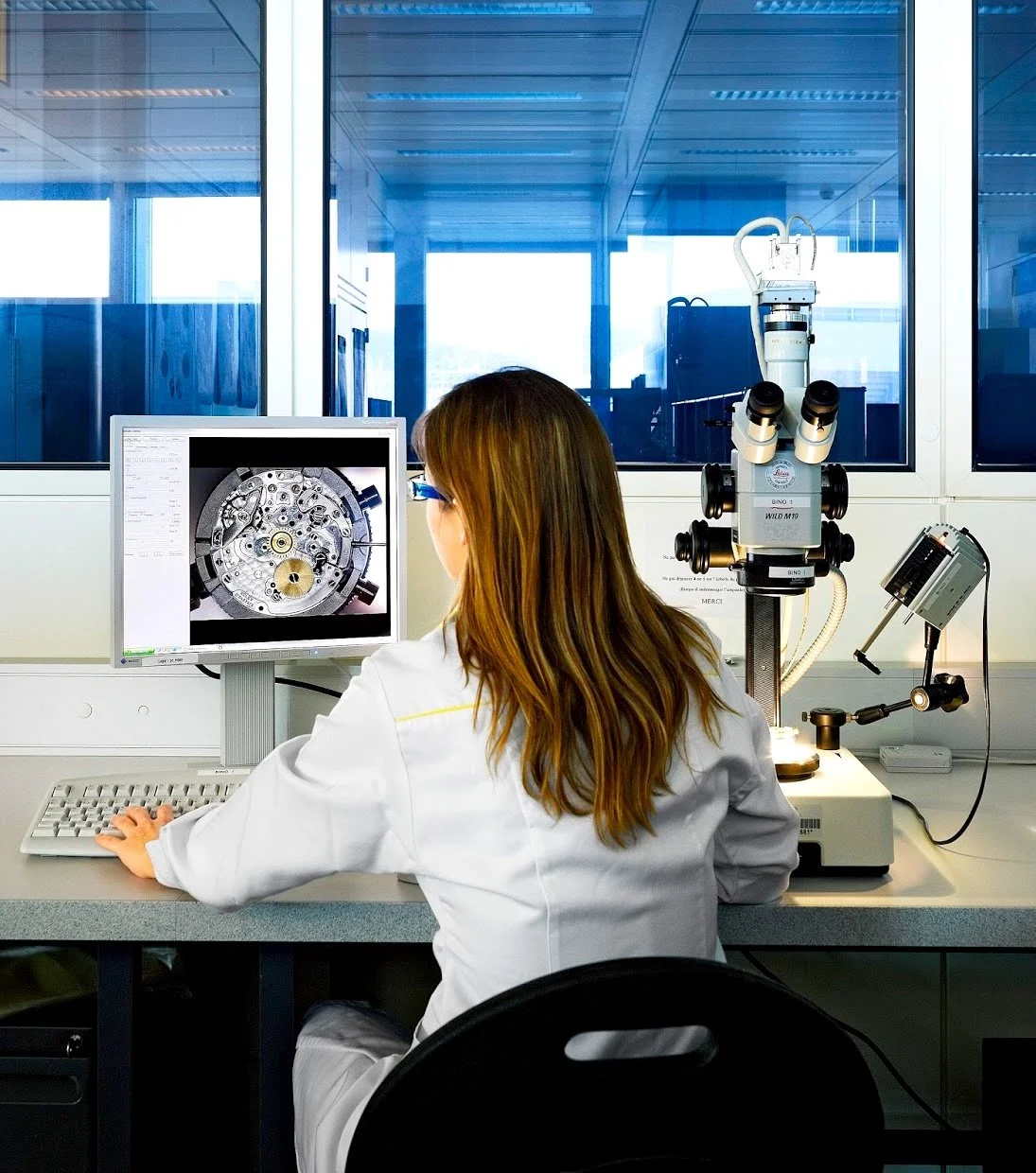
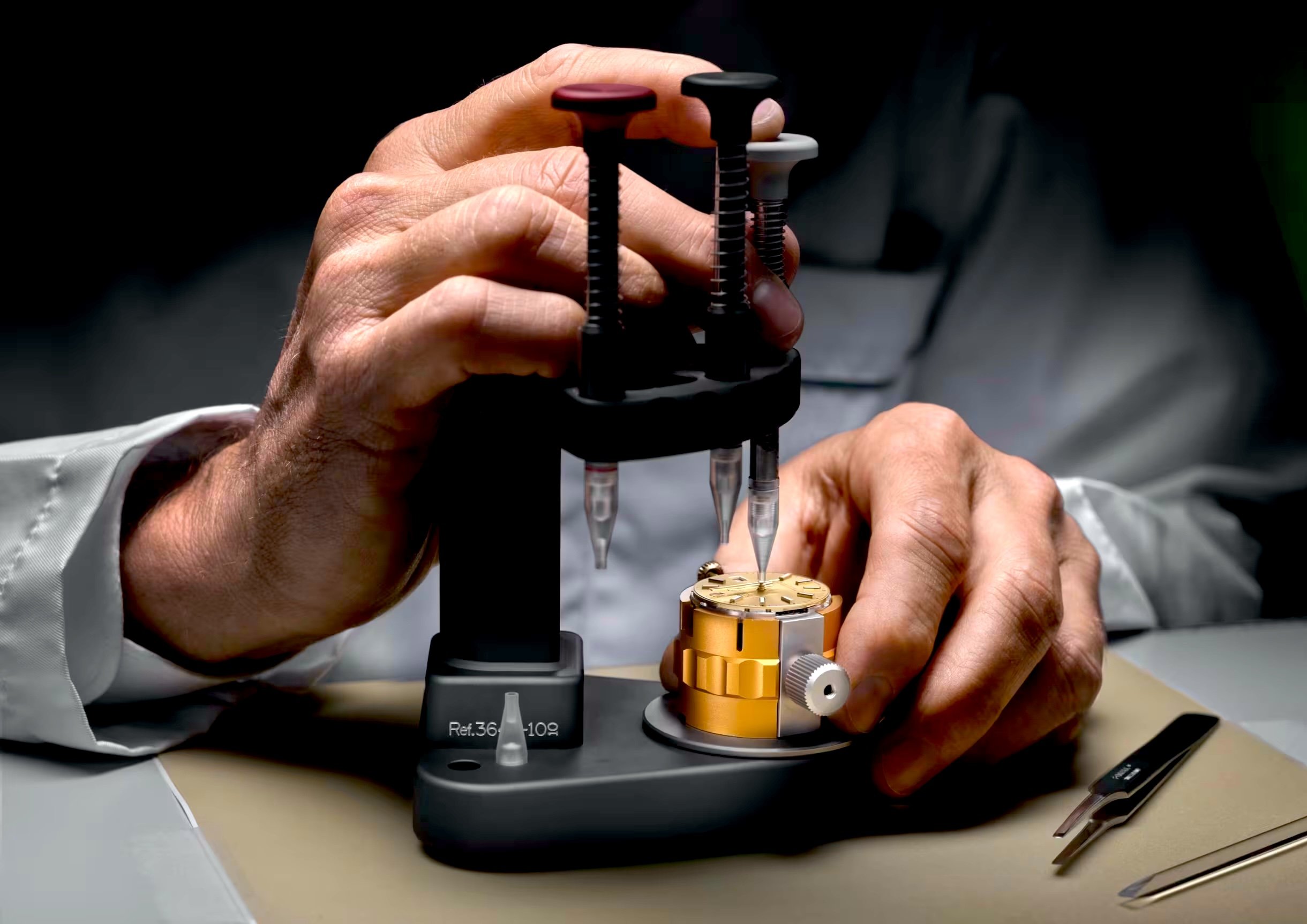
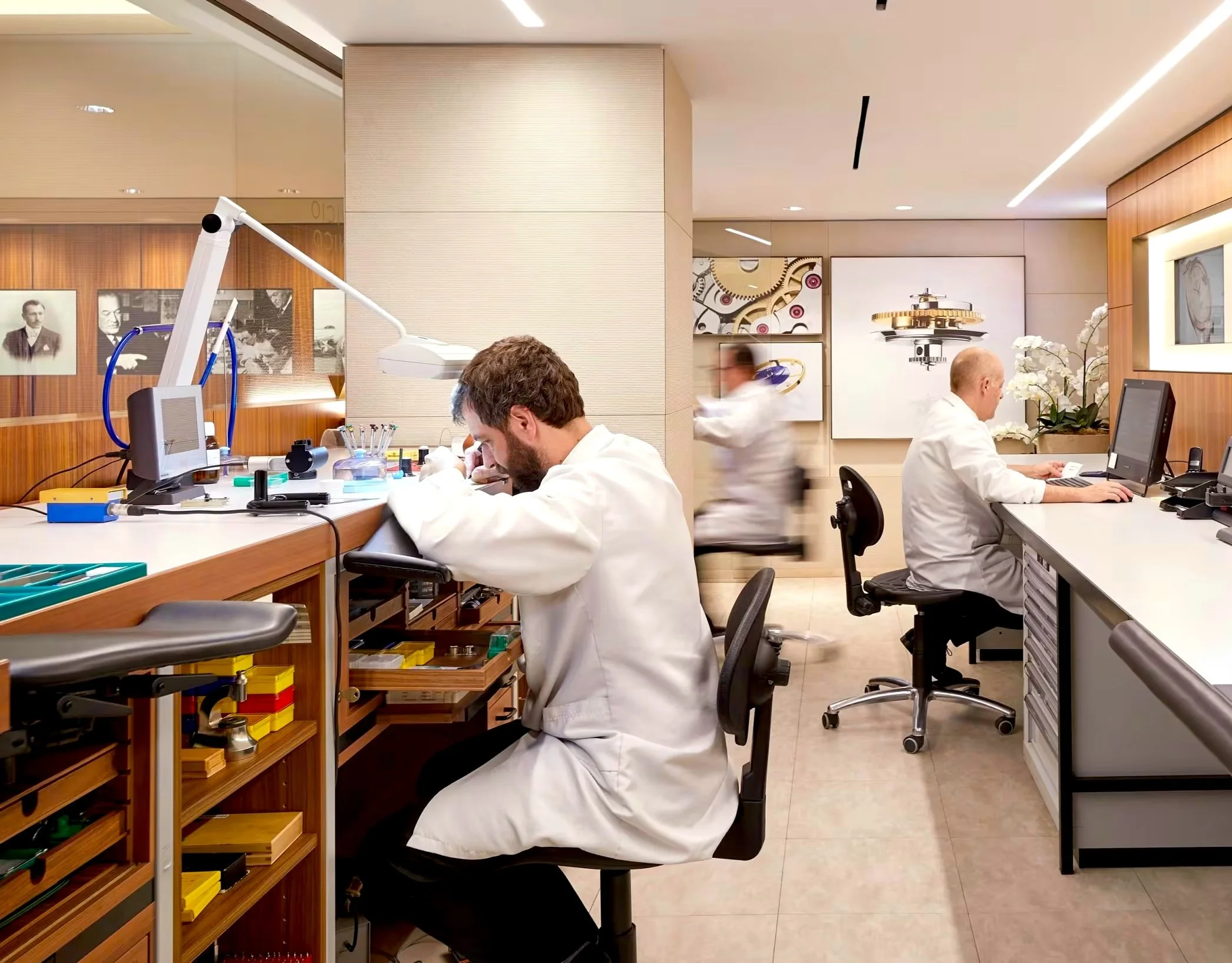
But like any watch brand, Rolex's workforce extends beyond manufacturing. Its global after-sales operation employs 3,636 watchmakers and polishers, including 1,617 in the company's distribution affiliates. Of those, 3,053 are qualified to perform Rolex after-sales service, supporting a network of 868 service centers worldwide. In 2025, they serviced about 577,000 watches while maintaining an average turnaround time of 13.7 days for modern full-service repairs.
(Photo credit: Rolex)
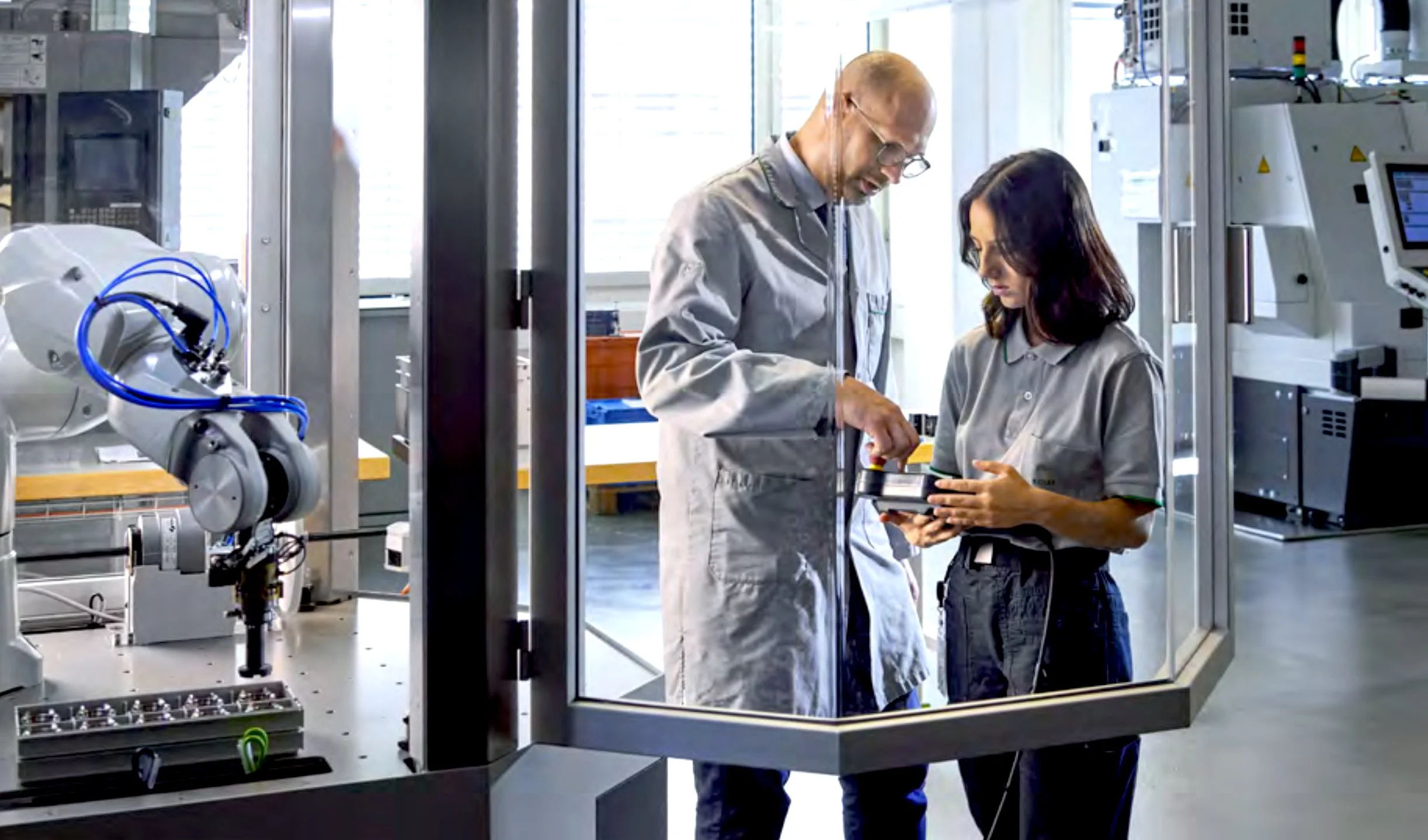
Staff turnover is low by industrial standards for a manufacturer employing more than 10,000 people in Switzerland. It stands at 4.9% in Geneva and 4.1% in Bienne, meaning roughly 95% of employees stay with the company each year. The company also emphasizes internal promotion and succession planning, with more than 99% of employees participating in career development interviews during the year to help identify future managers and encourage mobility across departments.
(Photo credit: Rolex)
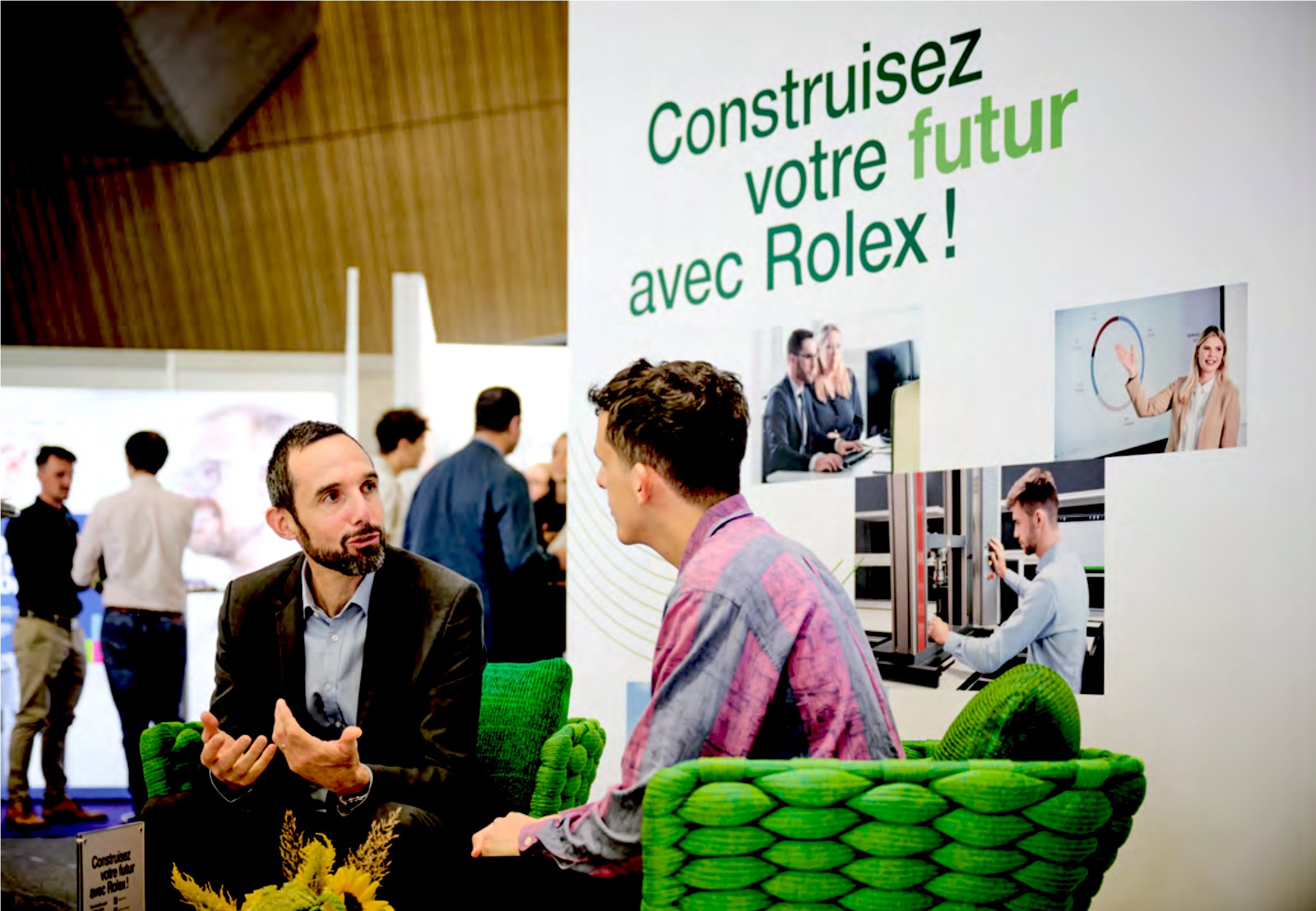
Training remains central to Rolex. Nearly 94.7% of employees in Switzerland, or 9,986 people, received formal training during the year, averaging two training days each. Rolex operates training centers in Geneva, Bienne and Fribourg and offers courses ranging from technical watchmaking to management development through its Perpetual Learning platform (PERLE). The goal is to preserve expertise while preparing employees for increasingly specialized manufacturing roles.
(Photo credit: Rolex)
Rolex's strategy relies in part on apprenticeships. The company currently trains 395 apprentices and remains on track to reach its goal of 500 by 2030. The initiative reflects Rolex's long-standing belief that watchmaking skills are best developed internally over decades rather than bought on the labor market. Rolex became the first employer in Geneva to establish in-house watchmaking apprenticeships in 1984 and has since expanded the program to additional locations.
The company also continues investing in workplace conditions. Approximately 1,500 ergonomic workstations have been deployed across its manufacturing sites, including roughly 700 in Bienne and 600 in Geneva. Developed with ergonomics specialists and Swiss industrial partners, the workstations allow electronic height adjustment and personalized settings intended to reduce physical strain during assembly and inspection work.
(Photo credit: Rolex)
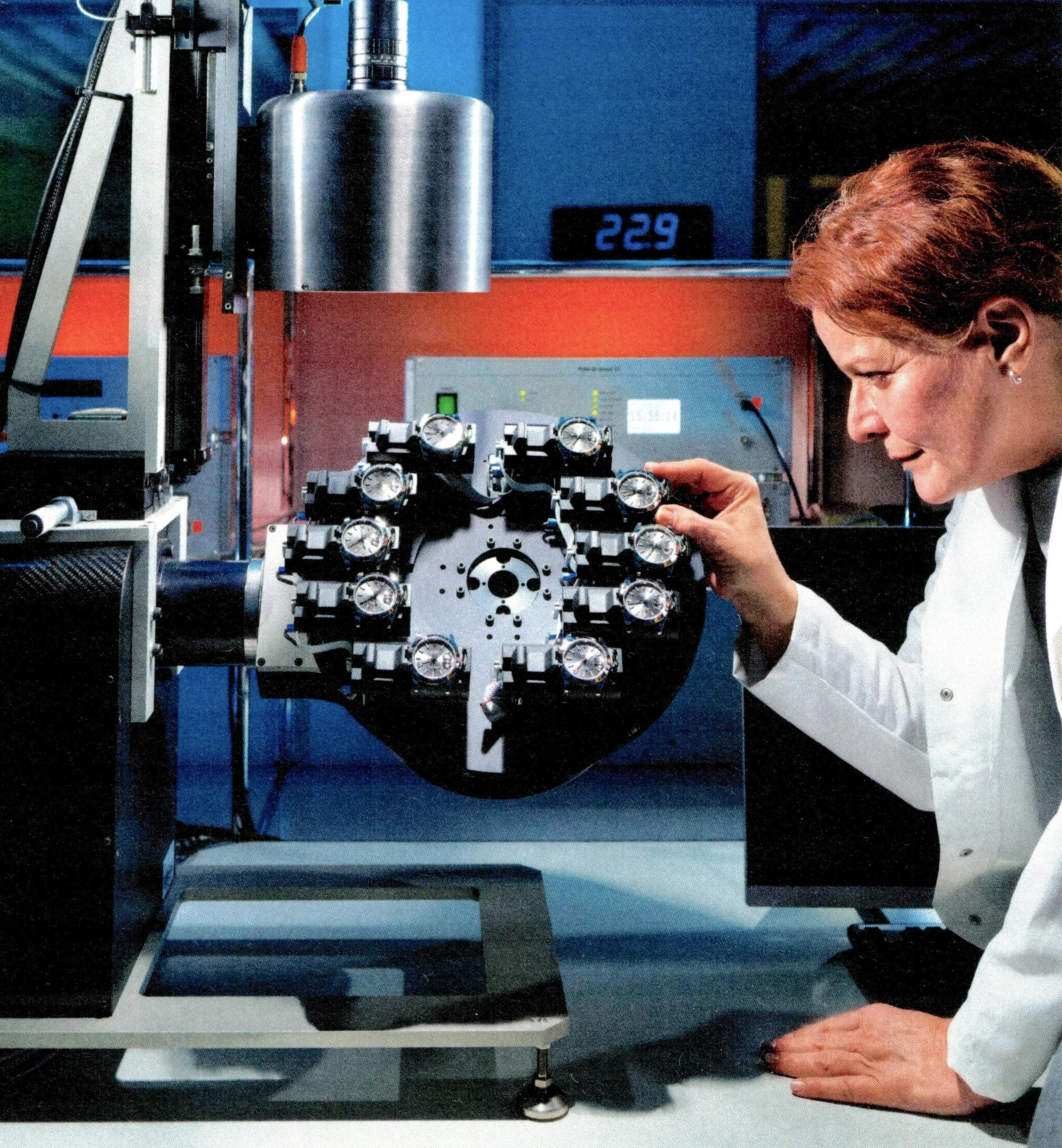
Health and safety performance is monitored closely, Rolex said. Workplace accident frequency declined to 2.9 incidents per million hours worked from 3.2 in 2023. Rolex records both accidents and near misses through centralized software while maintaining internal first-aid teams and prevention programs covering subjects ranging from cardiovascular disease to influenza and cancer screening.
The scale of the workforce reflects the company's manufacturing philosophy, which eschews outsourcing. Rolex continues to emphasize vertical integration, with direct control over 97% of its manufacturing processes. That approach requires a large number of specialized employees across machining, metallurgy, component production, assembly, testing, restoration and servicing. The company also maintains a restoration workshop that completed work on 189 collectors' watches in 2025.
(Photo credit: Rolex)
Rolex's strength is not simply that it can manufacture high-quality watches, but that it can manufacture high-quality watches at scale. As the company continues expanding production capacity, particularly through its future Bulle manufacture, its workforce is likely to grow. But the figures suggest its strategy is to build a workforce that preserves specialized skills while combining large-scale production with craftsmanship in one of the world's most expensive countries for labor.