

Last September, at a gathering of 400 Rolex executives in Crans-Montana, a ski resort in the heart of the Swiss Alps, Rolex CEO Jean-Frédéric Dufour addressed his managers as part of the yearly RIMM, or Rolex International Managers Meeting. And he took them on a ride — literally.
Dufour put his managers on bikes for a nature ride, an emblem of the company’s fresh focus on sustainability. Under his leadership, Rolex has doubled down on environmental efforts, including its Perpetual Planet Initiative, while stepping away from high-octane sponsorships like Formula 1.
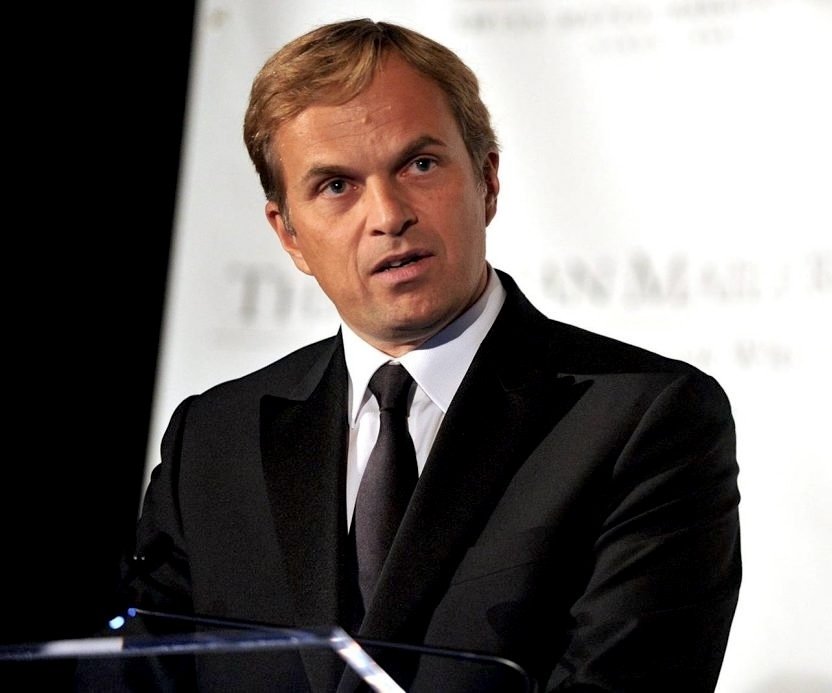
Rolex CEO Jean-Frédéric Dufour.
Next year, Dufour will mark 10 years at the helm of Rolex. Under his tenure, the brand doubled its revenue and solidified its dominance on the luxury watch market. But he has also made sizable investments just as the market is showing signs of cooling.
One of Rolex's boldest moves under his direction was to greenlight a fifth manufacture, costing over 1 billion francs. The new factory, slated to open in 2029 in Bulle, Switzerland, will include no fewer than five buildings and 2,000 employees. Now, Dufour must carefully navigate the challenges of workforce recruitment, training and production growth, while keeping the high quality control the brand has staked its reputation on.

(Photo credit: Rolex)
Amid the expansion, Dufour is also grappling with internal challenges, as reports of harassment at Rolex's global service après-vente, or after-sales service department, surfaced earlier this year. The reports resulted in contract terminations at “the highest levels,” according to Rolex, and the complete reorganization of the service in question.
Dufour has worked to modernize the company’s culture and leadership and is reshaping Rolex’s executive team, ushering in a new era as veteran managers retired. For a new manager, having a steady hand on handlebars at a Rolex retreat won’t hurt either.
Meanwhile, China’s economic deceleration and geopolitical uncertainty weigh on the market. Europe has a war on its borders; the U.S., a new president. Even as demand for Rolex watches remains robust, Dufour must manage these external risks while tackling internal challenges, such as addressing overextended supply chains and revitalizing a sales culture at its authorized dealers that grew complacent during the recent boom.

(Photo credit: Rolex)
Rolex's recent move to purchase Bucherer, the biggest luxury watch retailer in the world, has marked a shift from the brand's traditional manufacturing focus to an expanded role as a distributor. The deal, estimated at several billions, allows Rolex to integrate downstream operations, potentially using Bucherer as the foundation for a Rolex-owned global retail network. However, the acquisition also creates tensions, as Bucherer carries brands that compete with Rolex.
Simultaneously, Rolex is recalibrating its relationships with independent retailers. After years of waitlists fueled by speculative buying, the company is working to stabilize its order backlog which often means paring down the number of dealers in its network. Fewer but better-stocked boutiques could help the brand provide a better overall shopping experience.
Rolex has also made the decision to bolster its supply chain through acquisitions and partnerships. The company’s stakes in suppliers like Incabloc and its partnerships with Patek Philippe and Chanel demonstrate a commitment to maintaining Switzerland’s horological ecosystem. However, as Rolex deepens its industrial footprint, some competitors may question the implications of sharing suppliers with an industry leader that holds 35% of the global luxury watch market.
Rolex, under Dufour, has reached an estimated 12 billion francs in annual revenue and produces 1.2 million watches a year. It is not only a top luxury watch brand, it is among the top 10 luxury brands.

(Photo credit: Rolex)
Rolex’s next chapter rests on Dufour’s ability to execute on the billions’ worth of capital he has deployed amid the backdrop of an industry facing headwinds. The stakes are high: the company’s long-term vision, supported by its sole shareholder, the Hans Wilsdorf Foundation, requires balancing innovation with Rolex’s conservative ethos.
After a decade of record-breaking success, this new phase will test Dufour’s leadership as he helms the brand into the future. Dufour’s command of Rolex’s destiny will hinge on a good balance, a good cadence and keeping his hands firmly on the company’s handlebars.