
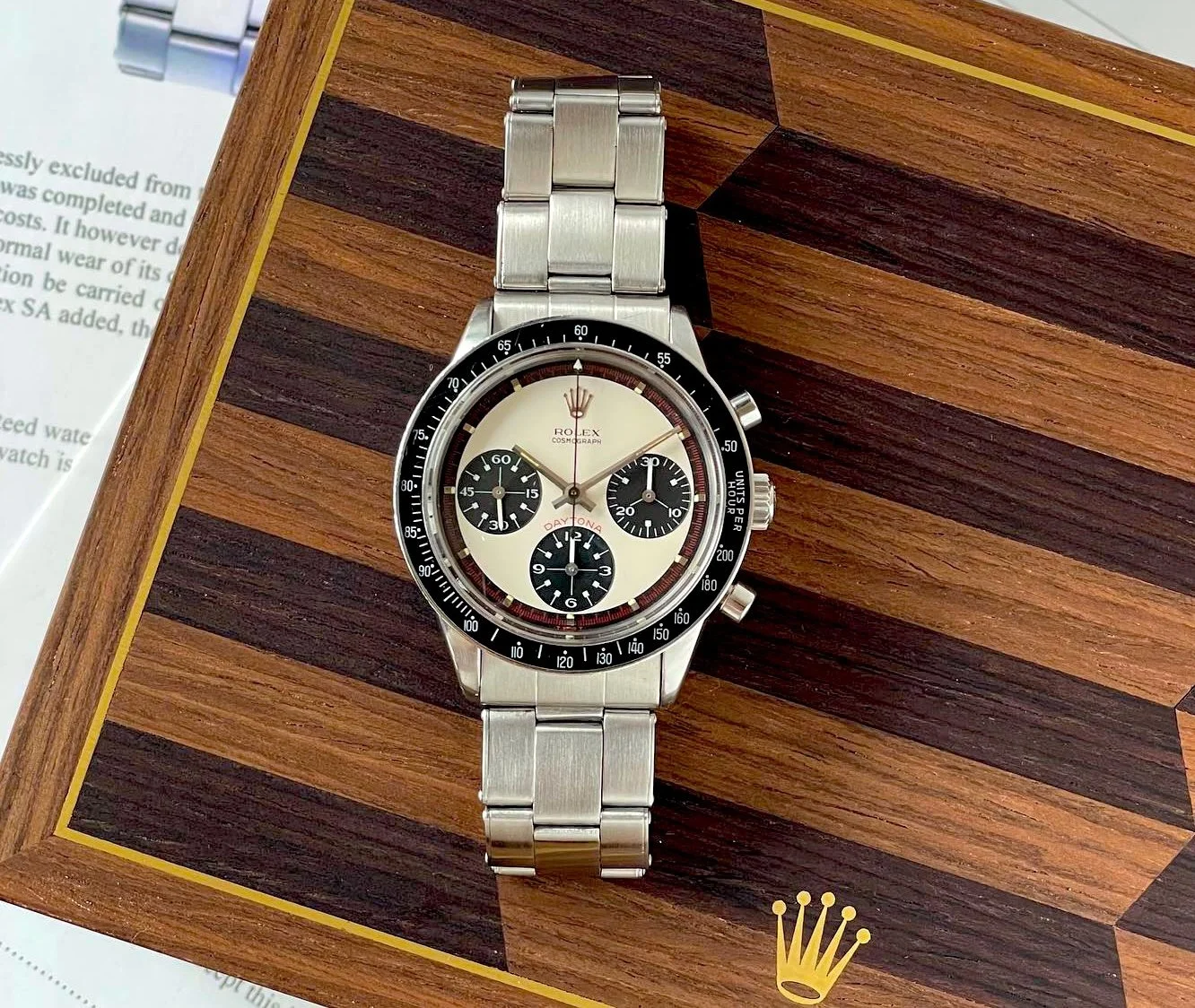
An inside look at Rolex’s most specialized watchmaking team.
Earlier this month, Rolex published for the first time an online price list for complete watch servicing. The most interesting figures were at the bottom of the page, where Rolex listed service cost for the brand's historically significant watches.
Servicing a GMT-Master reference 6542, a "Paul Newman" 6239 or a "MilSub" 5517 will cost over $5,000, according to Rolex, while the service of a moonphase reference 6062 will easily top $8,000. Rolex said that, depending on the watch’s condition after inspection, it reserves the right to decline a complete overhaul and instead provides an estimate for a restoration. Preparing that estimate alone can take as long as three months. “If the service is declined, an analysis fee of $2,200 USD is invoiced,” Rolex said.
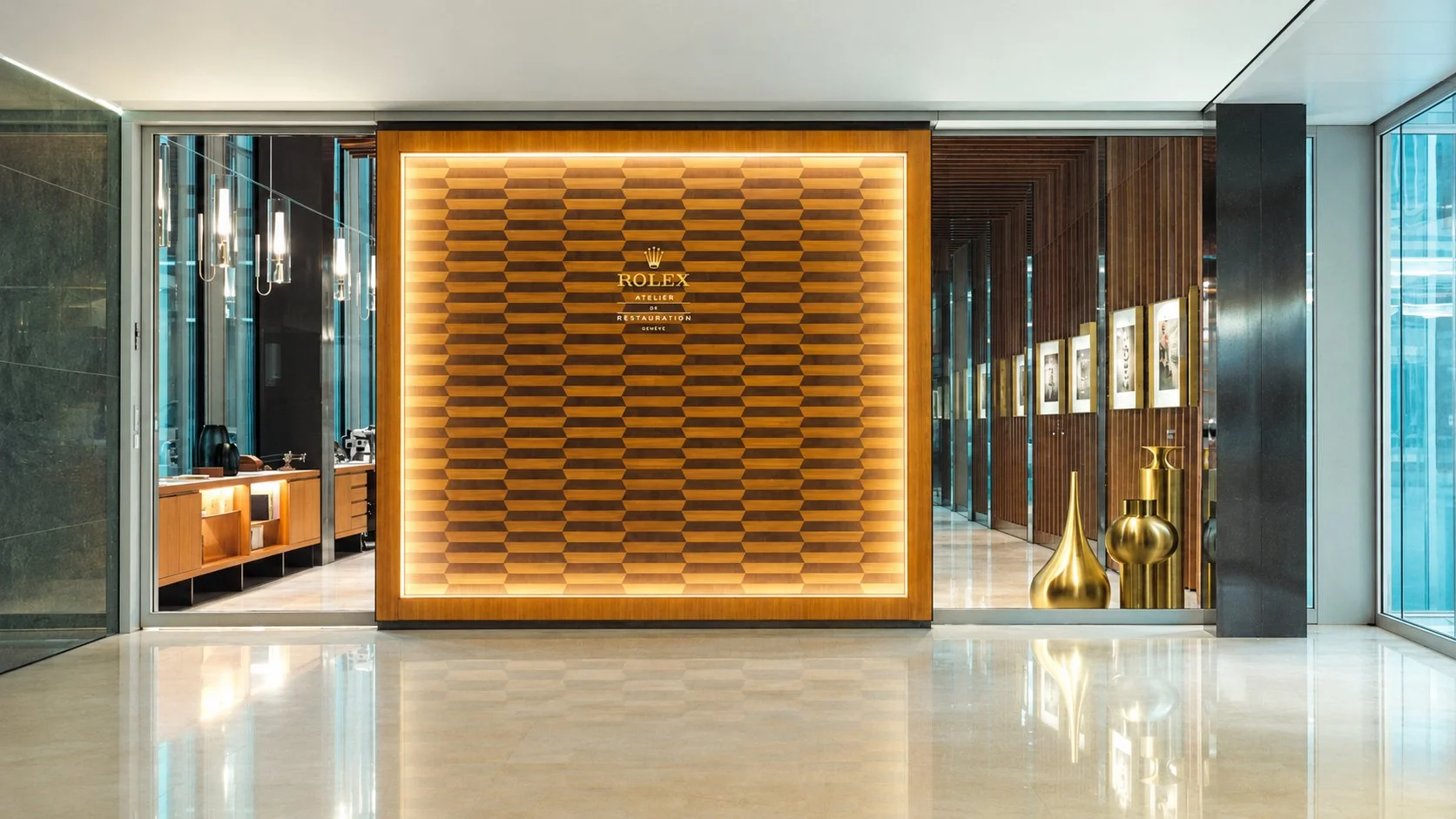
The Rolex Restoration Atelier is housed at world headquarters. (Photo credit: Rolex)
The prices offer a glimpse into a little-known corner of Rolex’s business that few customers who walk into an authorized dealer will ever know about. The restoration of certain vintage models is entrusted to an elite group of Rolex watchmakers, the “Navy SEALs” of their profession. Their work requires technical expertise, but it also involves historical research, materials science, specialized manufacturing and the recovery of techniques that have all but disappeared from the watch industry.
Those master watchmakers work at the Atelier de Restauration in Geneva, which was founded not too long ago, in 2019. They are the elite of their profession, experts in their trades whose skills extend beyond conventional watch servicing. They must be able to work with contemporary and antique tools, reconstruct obsolete manufacturing techniques and solve problems that can require months of research.
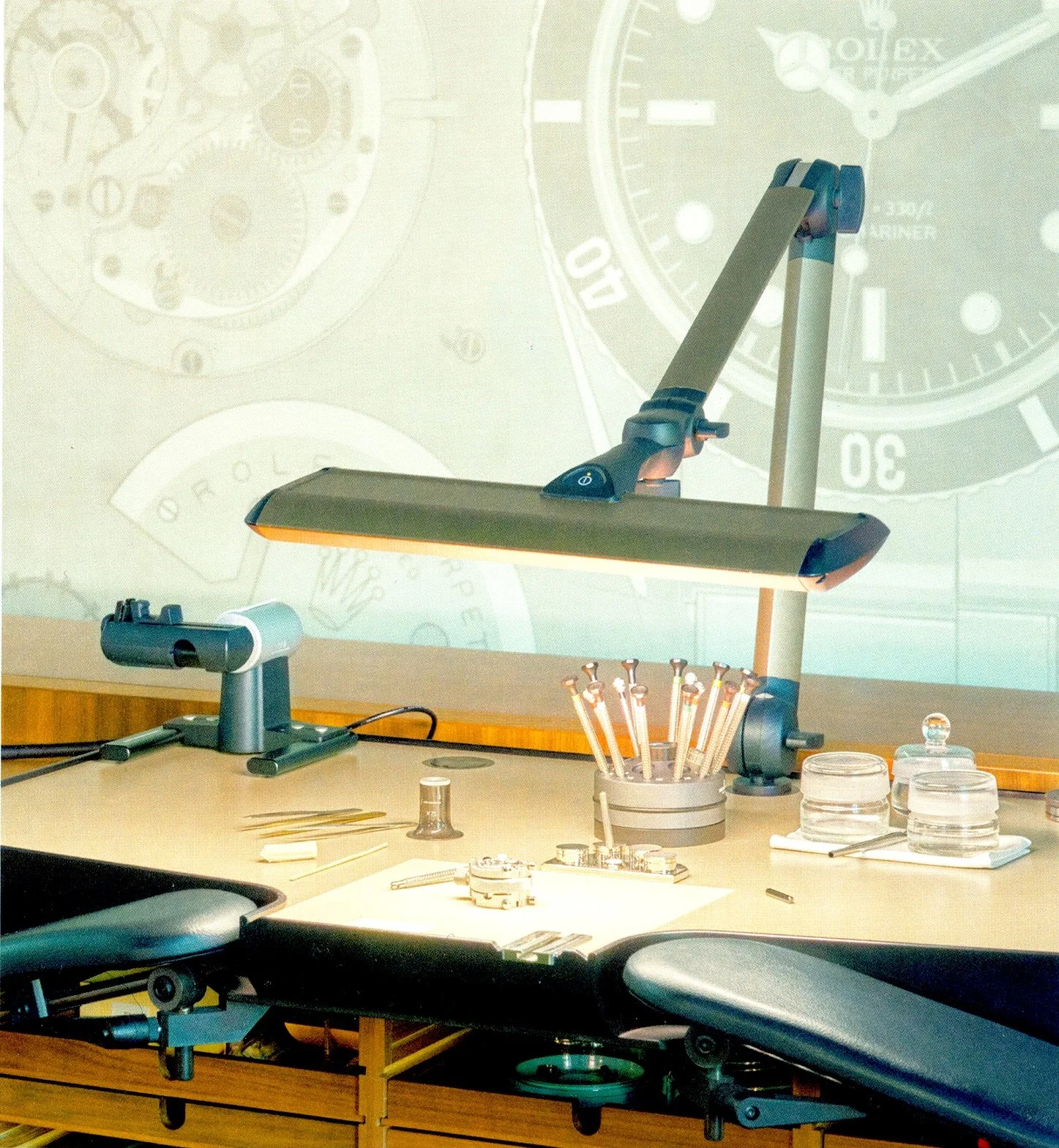
Rolex watchmaker’s workbench. (Photo credit: Rolex)
They are also historians, combing Rolex’s archives for manufacturing records and identifying production periods from design details. When a missing component cannot be reproduced using existing methods, they have tracked down retired suppliers who decades ago made a particular bezel insert, stamped a specific wheel or applied colored graduation markings using techniques known only to them.
Some restorations occupy a single watchmaker for 10 months. Others require the Atelier to bring antique machinery back into service, restoring the equipment itself before it can be used to recreate a part. They are assignments for specialists at the top of their craft.
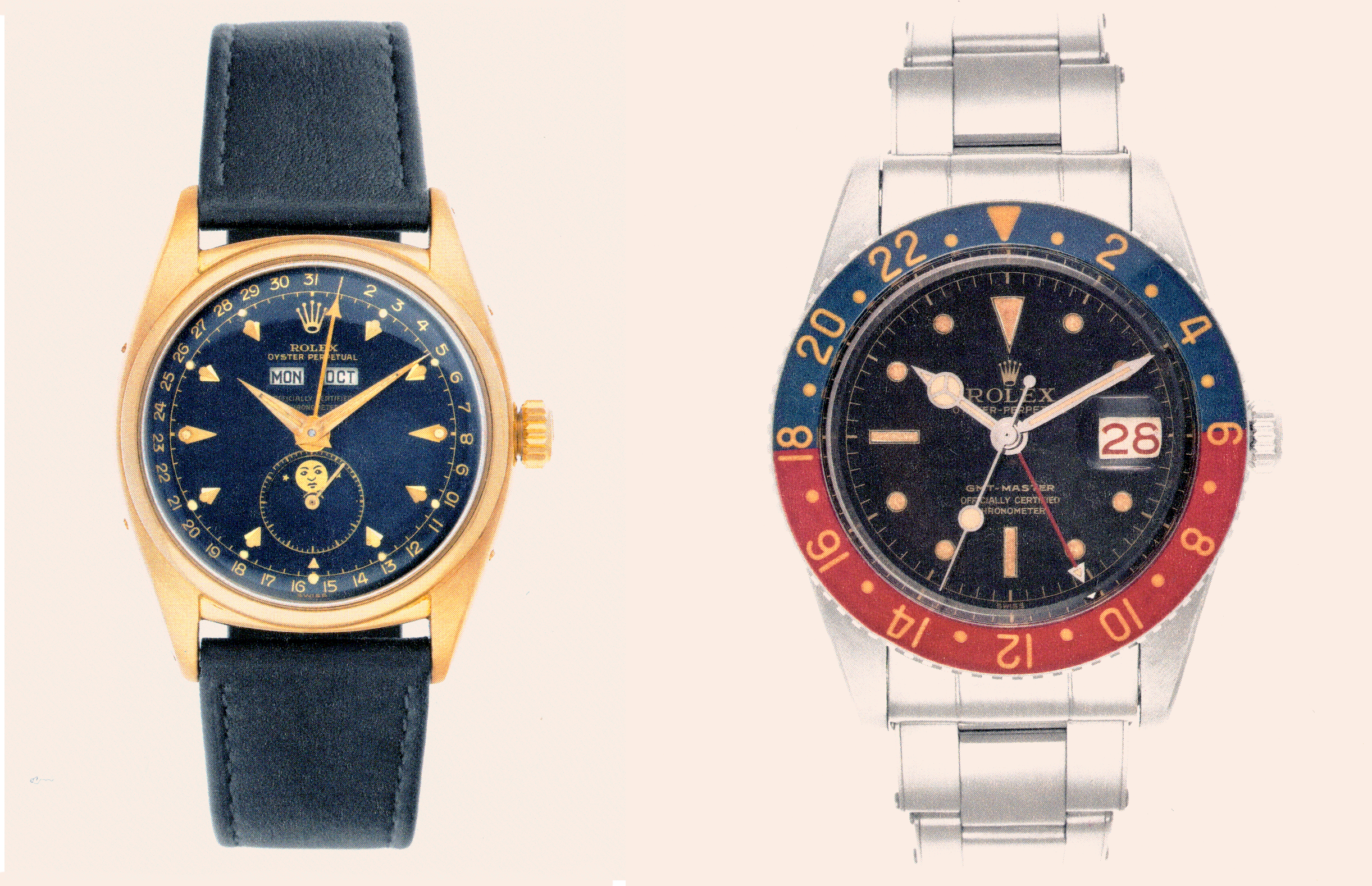
Restored Rolex Moonphase 6062 and GMT-Master 6542. (Photo credit: Rolex)
Those master watchmakers handle timepieces of incredible financial value, whose sentimental and historical significance surpasses that of most Rolex watches. Each restoration presents its own technical challenges, and mistakes can be difficult, if not impossible, to reverse.
No repair is ever routine. Each restoration is assigned to a single watchmaker, who oversees the process from the initial inspection through final assembly. The work begins with a detailed examination of the watch and its components, with the aim of learning as much as possible about its construction, condition and history.
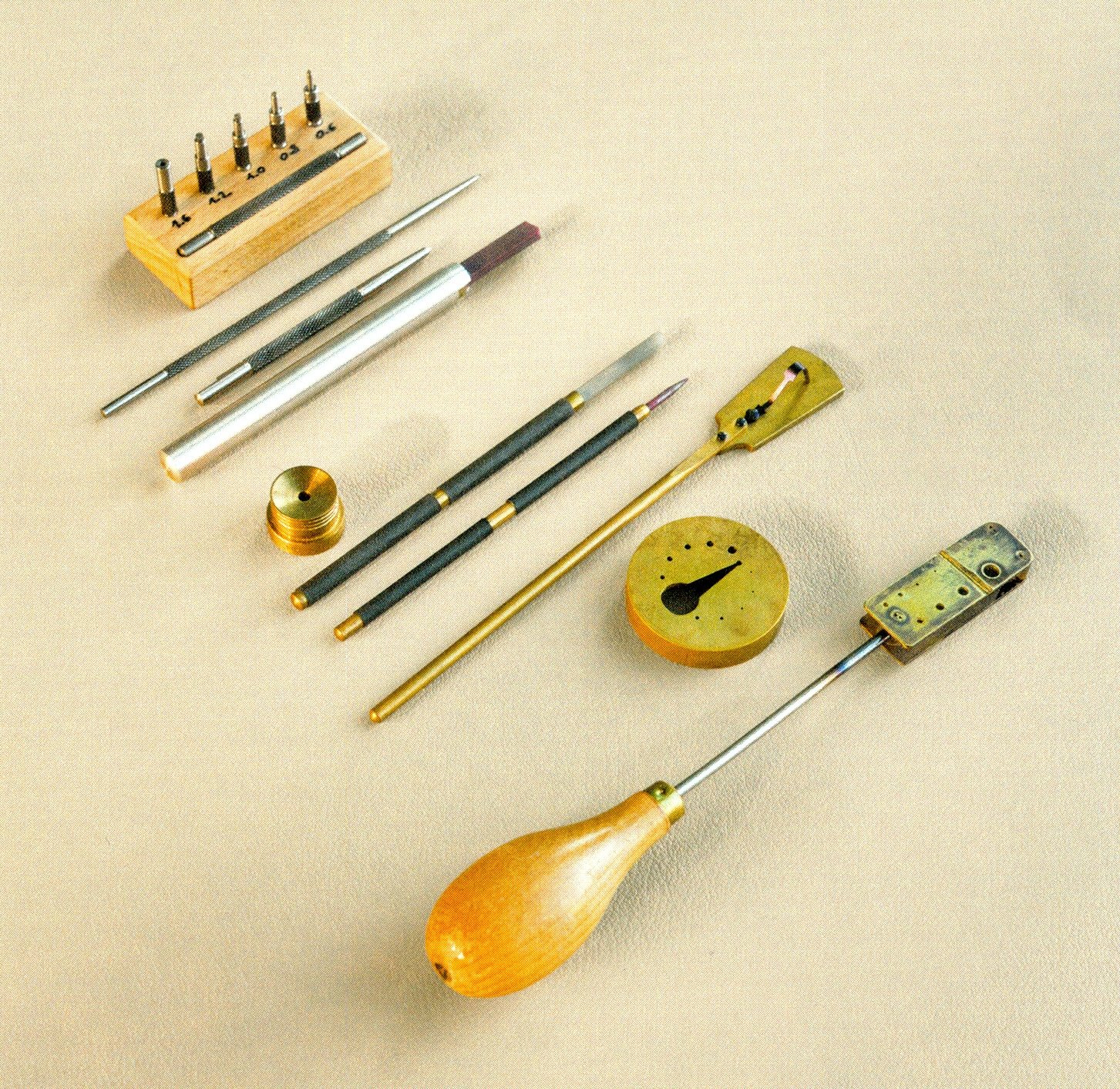
A selection of antique watchmaking tools at the Atelier. (Photo credit: Rolex)
The watchmaker prepares an identification sheet and gathers supporting information through archival research, a review of previous repairs, technical analyses and photographs. The case is then opened, and the hands and dial are separated from the movement so that the watch can be examined more closely and remaining questions can be resolved.
Only after this investigation does Rolex prepare a restoration estimate. Once the customer approves the estimate, the restoration begins.
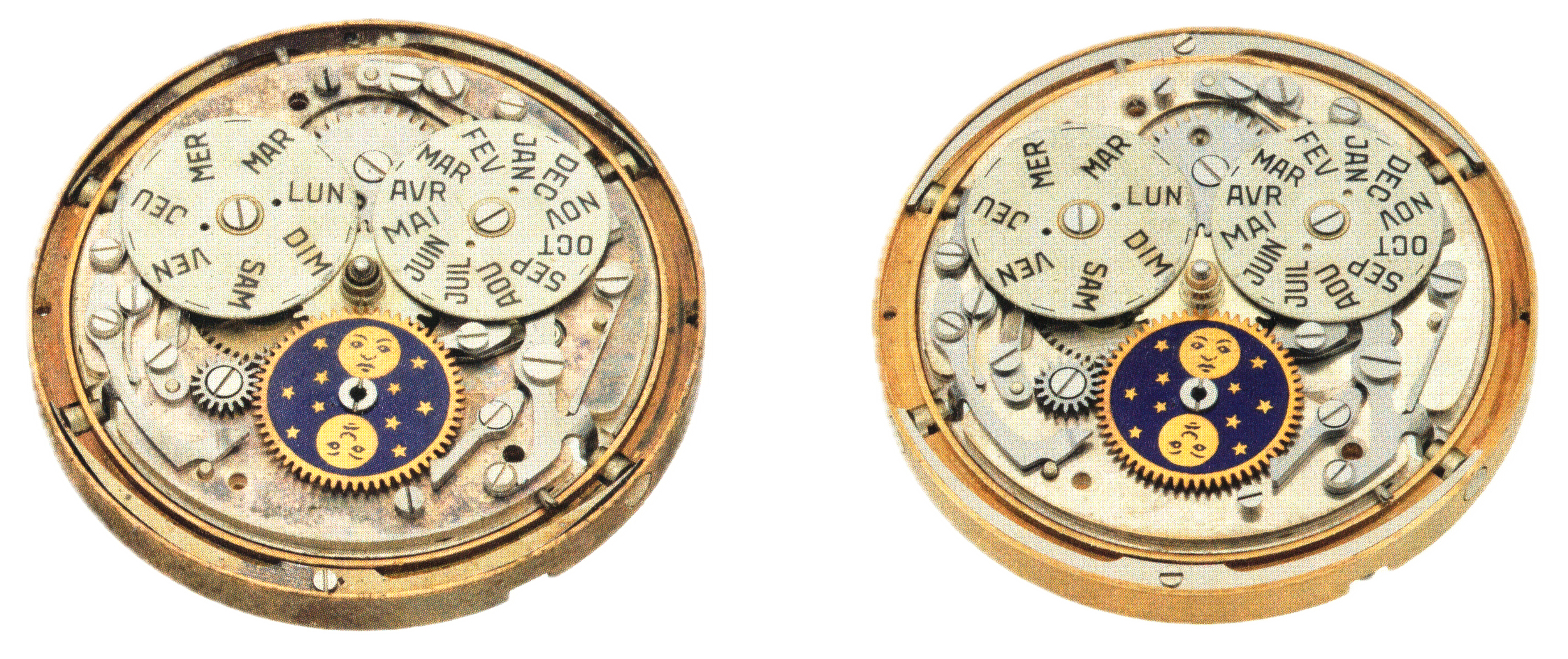
Calibre 630 CPL before and after restoration. (Photo credit: Rolex)
No two restorations are alike. Watchmakers regularly consult one another to resolve problems involving materials, construction methods or the provenance of individual components. The process draws on the collective experience of the team, with specialists combining their knowledge to determine how best to preserve a watch without compromising its historical integrity.
That breadth of expertise helps explain why the work can take months. While a regular service follows procedures and relies on standardized parts, a restoration may require the watchmaker to determine what the original component looked like, how it was produced, which materials were used and whether the necessary manufacturing technique still exists.
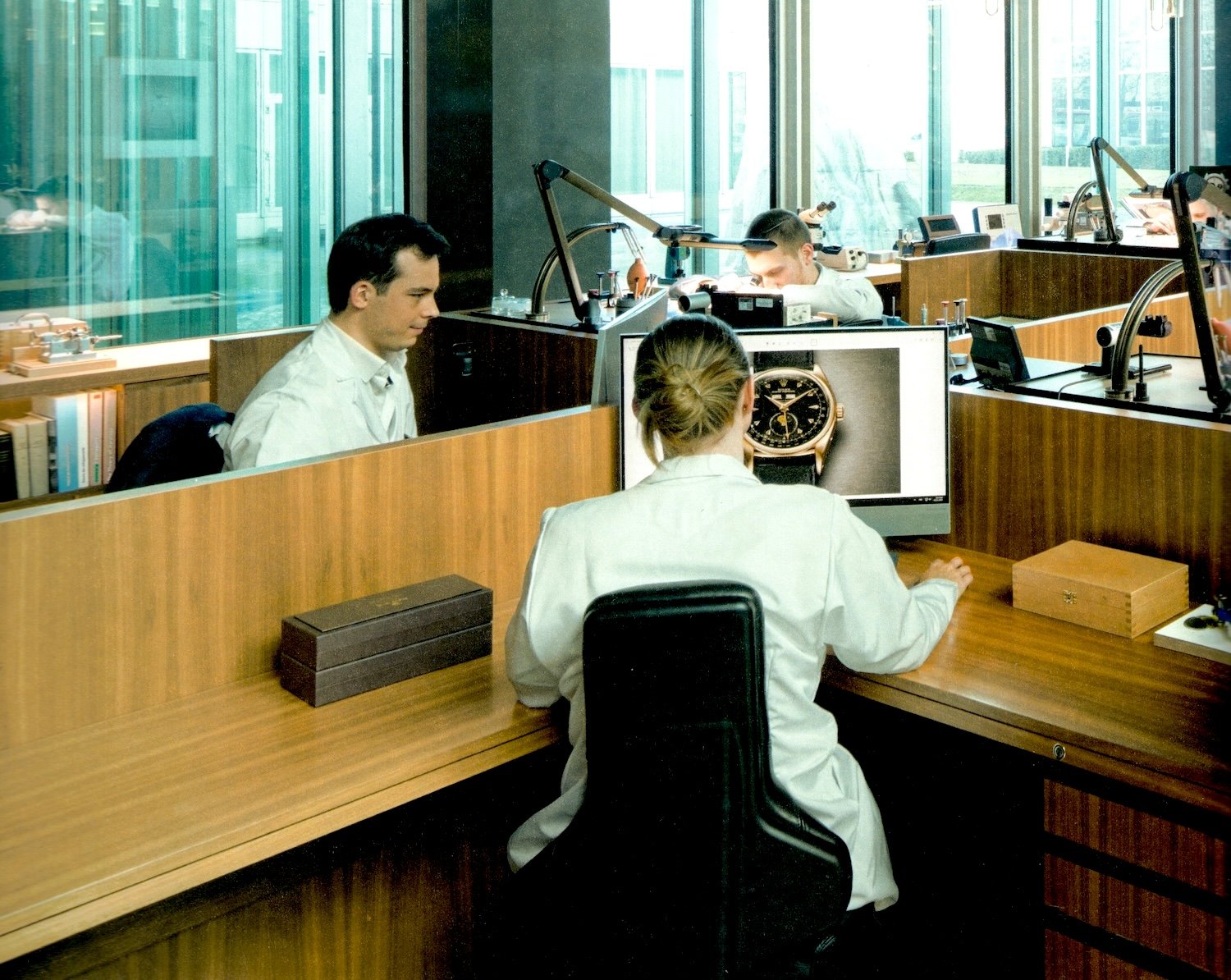
Atelier de Restauration offices and workbenches in Geneva. (Photo credit: Rolex)
The manufacturing of missing parts can be one of the most demanding stages. A component may have to be produced several times before it meets the required specifications. When original materials are no longer allowed, the watchmaker must find an alternative that looks like the original without using a banned substance. Radium, once used to make dial markings glow in the dark, is one example. Modern materials can recreate the original look while meeting today’s requirements.
Recreating an obsolete part can turn a watchmaker into a detective. The search may take them across Switzerland’s Jura Mountains, where the watch industry grew around small manufacturers and specialized suppliers.
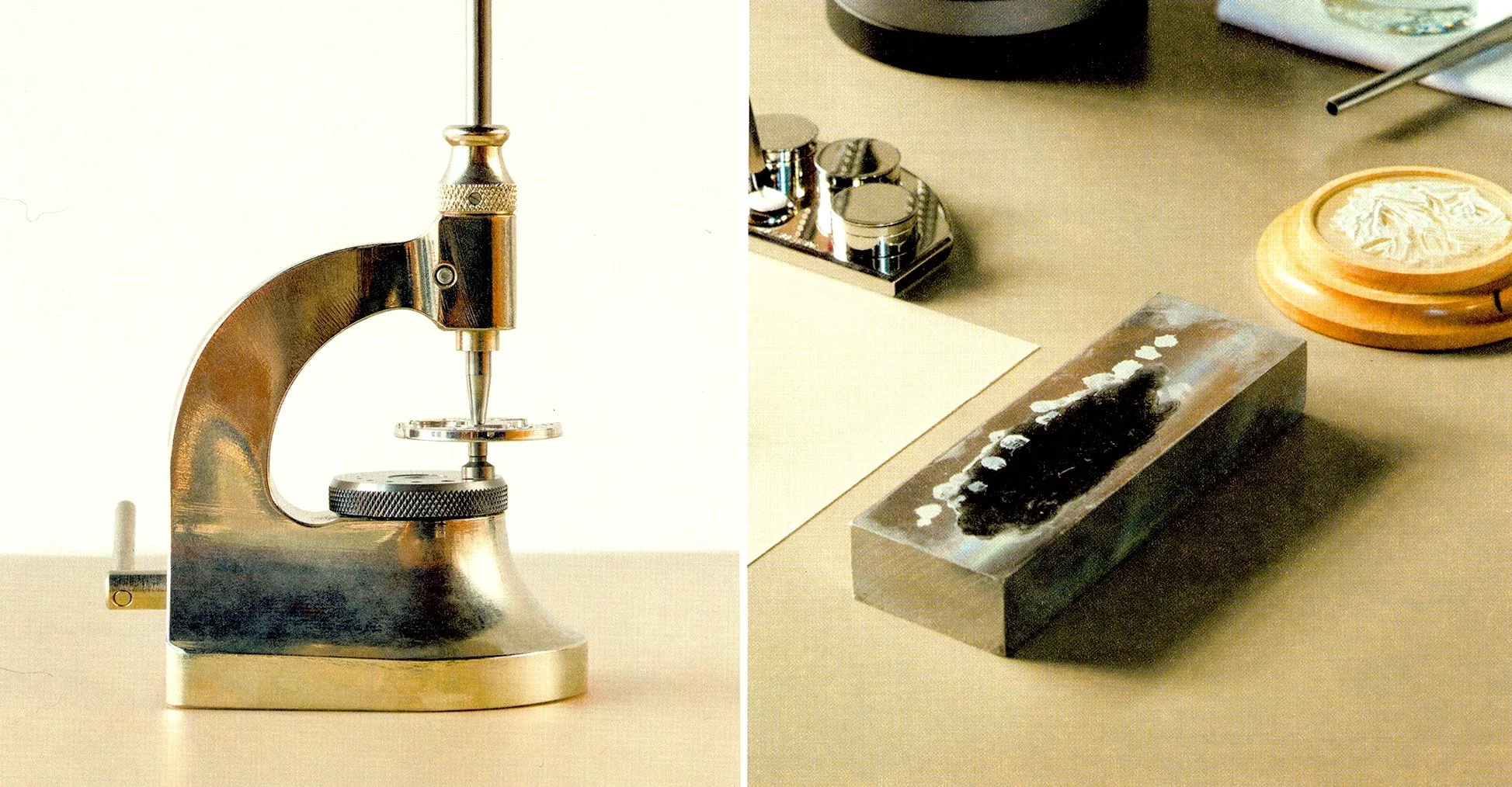
Antique watchmaking tools at the Atelier. (Photo credit: Rolex)
Some of those businesses produced components or performed individual manufacturing operations for Rolex decades ago. Their owners may have retired, their companies may have closed, and their specialized equipment may have been stored away. Yet the knowledge needed to reproduce a particular part may still reside with the people who made it.
Restoration Atelier watchmakers sometimes visit former suppliers to learn how they made a bezel insert, stamped a wheel or colored the markings on a dial. These visits can reveal details that were never documented but may be essential to recreating an original part. For Rolex, understanding how a watch was originally made can be just as important as making the replacement part.
The search also leads to specialists in traditional manufacturing techniques that are slowly disappearing and whose skills are hard to replace. Some may be among the last people who know how to operate or reproduce certain types of equipment, including automatic stamping tools. Rolex sees these specialists as keepers of an industrial heritage that is part of Switzerland’s watchmaking history.
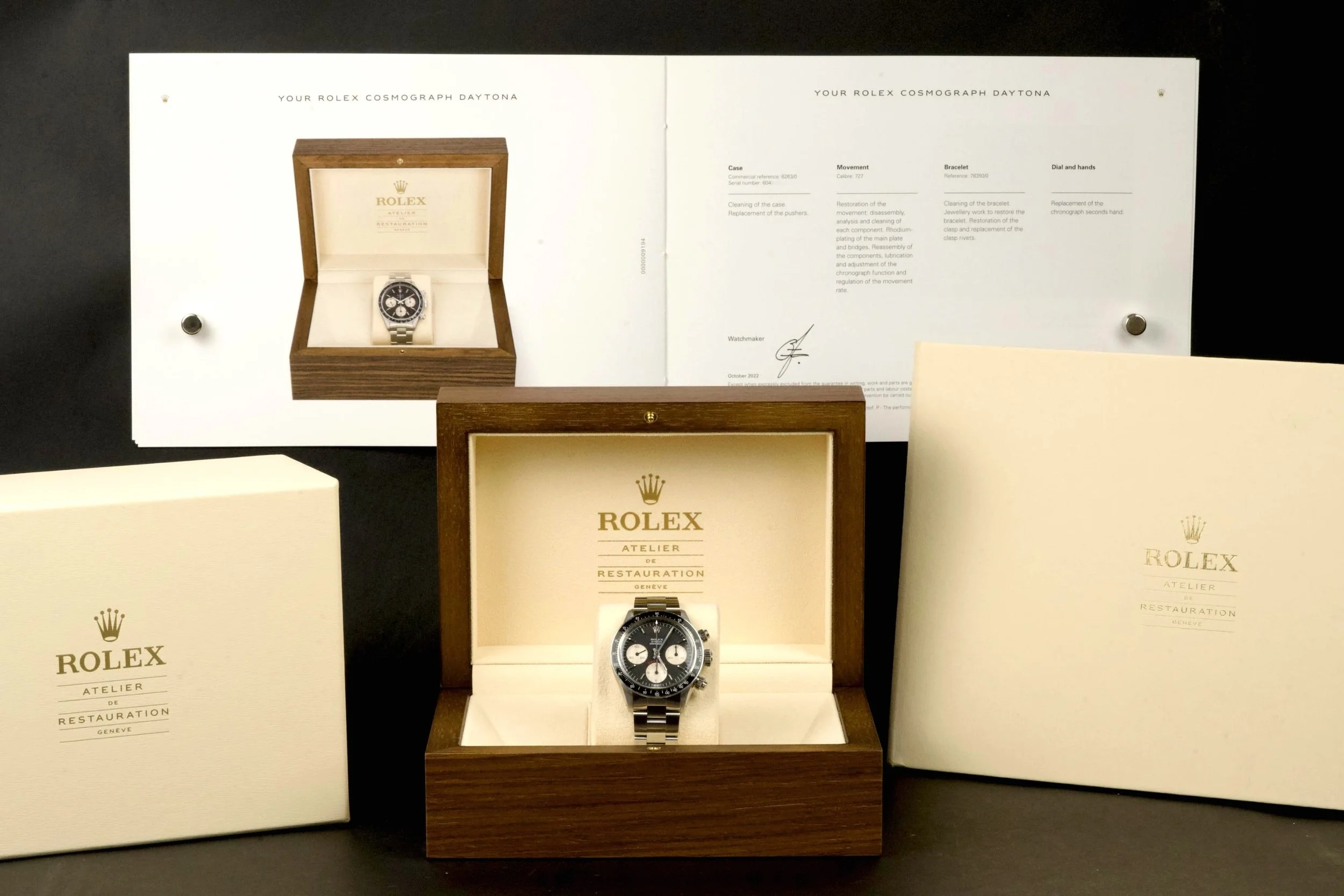
A restored Daytona 6263 “Big Red” with the brown Atelier de Restauration box. (Photo credit: Ponti Collection)
Once all the necessary components have been obtained or manufactured, the watchmaker reassembles the timepiece and completes the restoration. On average, the entire process takes 10 months from the Atelier’s receipt of a watch to its return to the customer.
The Atelier works closely with other Rolex departments to manage every stage of the restoration process. Its goal is to return each accepted watch to its original condition as faithfully as possible, no matter how much time has passed or how extensively the watch may have deteriorated. And in the process, Rolex also helps preserve the manufacturing techniques and equipment that has helped shape modern Swiss watchmaking for so many years.