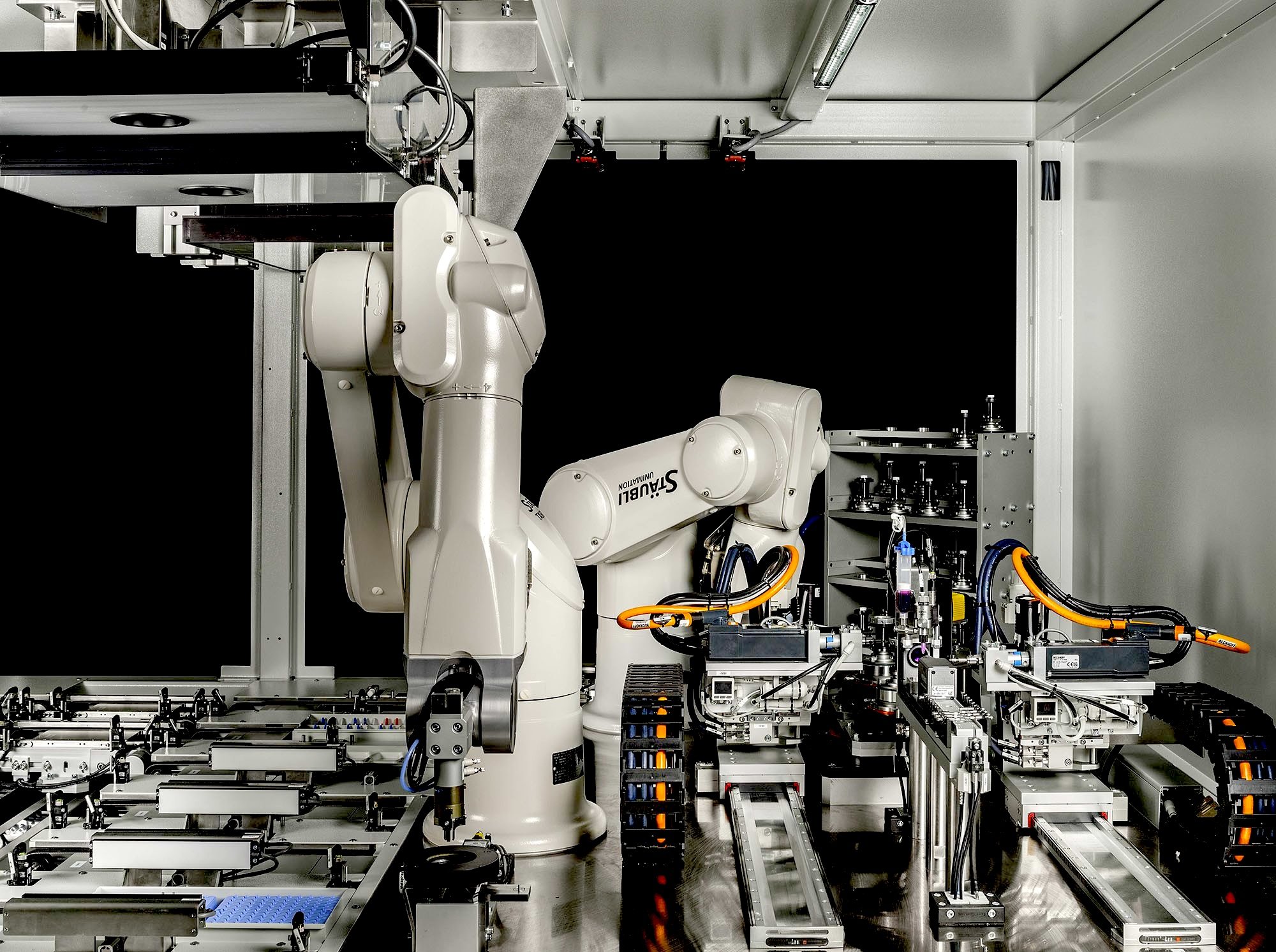
As Rolex builds its mega-manufacture in Bulle, with an expected 288,000 square meters of floor space, the complex will bring together production, R&D, a training center and a Rolex World Service hub, creating a workforce challenge no luxury watchmaker has ever faced at this scale. How to prepare a workforce for a facility that can accommodate more than 2,000 employees? Advertising, recruiting and training need to begin years before the doors open in 2029.
To complicate things, Rolex must also find workspaces for new recruits before the Bulle manufacture is ready. Watchmakers, technicians and specialists need places to work and train. And having recruited them in the canton of Fribourg, the brand cannot expect them to commute to Geneva or Bienne.
To solve this problem, Rolex has established temporary sites across the canton of Fribourg, as first reported by Coronet. Villaz-Saint-Pierre is now home to an after-sales service and the Rolex Training Center. Romont hosts production and R&D while Bulle houses HR. Rolex plans to transfer these employees to the new Bulle complex once it opens, though it says it does not expect to have all 2,000 employees in place on day one.
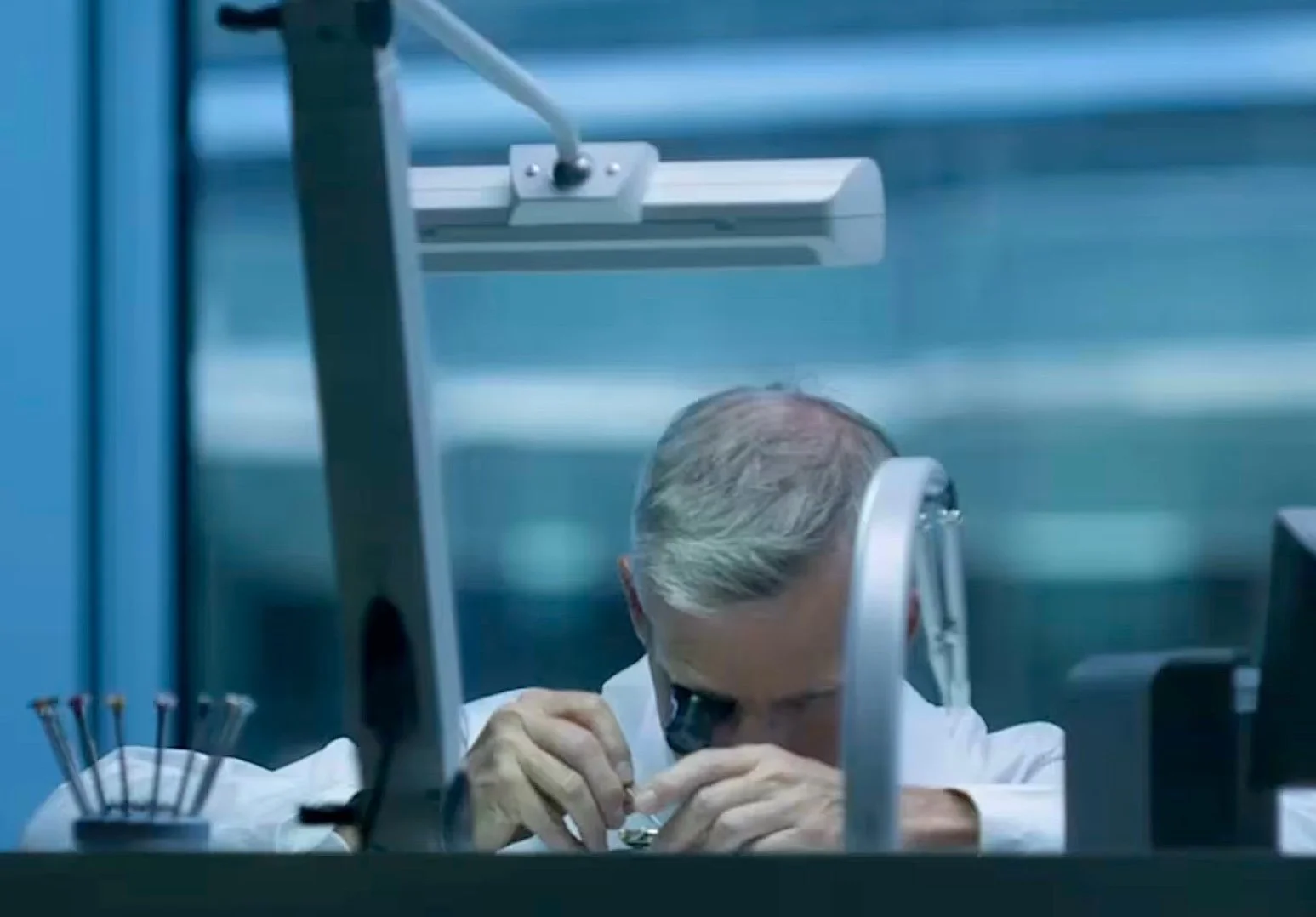
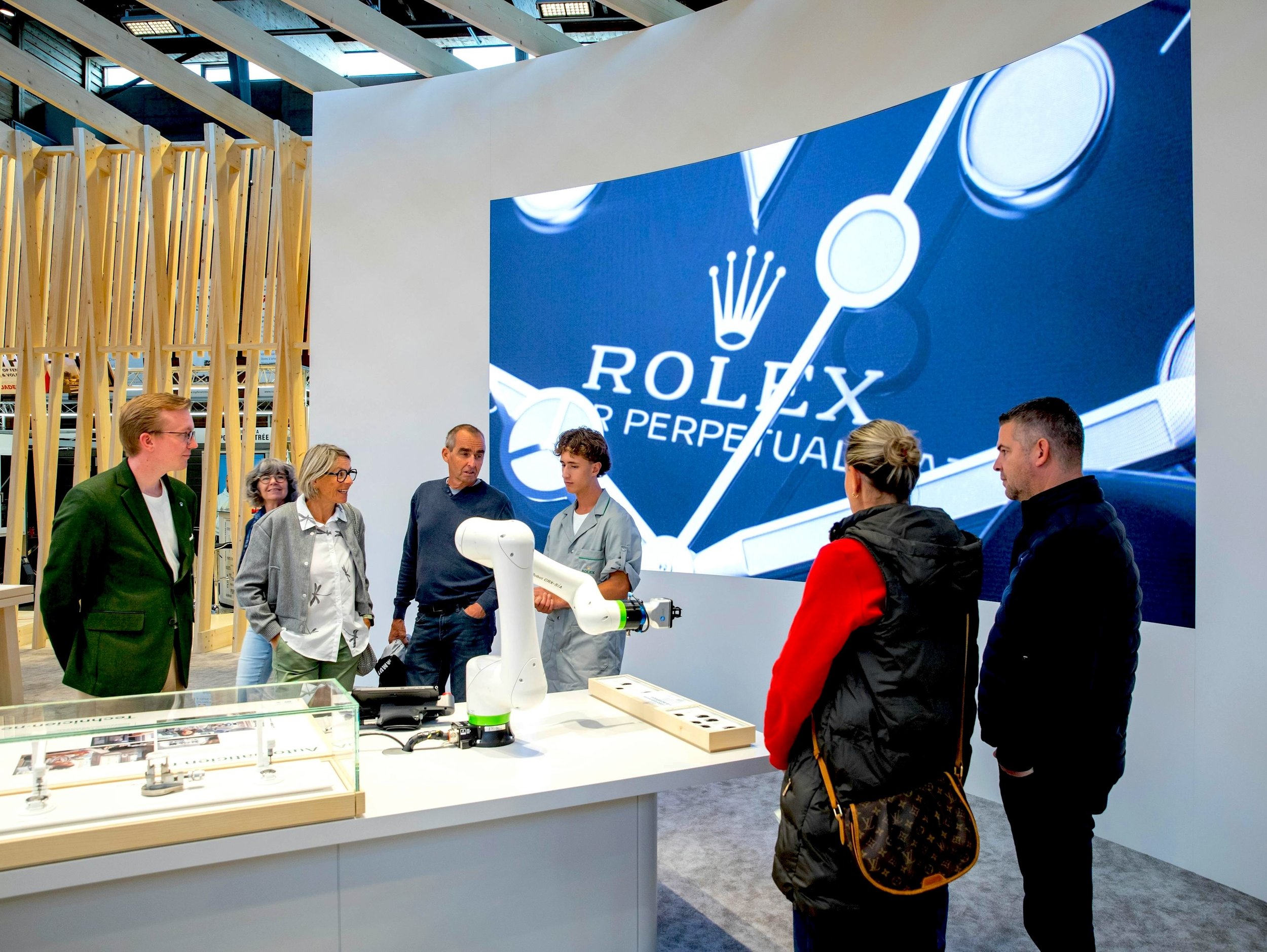
Rolex needs to step up its recruitment efforts. This week and through Nov. 1, the brand is attending the Comptoir gruérien, an annual regional fair in the Gruyère district expected to draw more visitors than Watches and Wonders. The exhibition, which was first announced by Coronet earlier this year, has little to do with the latest watch collection. Rolex is showcasing watchmaking careers through presentations. A model of the planned Bulle complex is also on display. Rolex said on its website that it wanted to take part in the fair because training the next generation of watchmakers is “une priorité pour Rolex.”