The Rolex watch that measures anticipation rather than elapsed time.
Rolex this week released the newest version of a collection that started 19 years ago, the Yacht-Master II. The Yacht-Master line has long been one of the most underrated in Rolex’s collection, in part because of its name. While Submariner, Sea-Dweller, Explorer, and GMT-Master conjure up thoughts of adventures in the deep sea, in the mountains or across the globe, the name “Yacht-Master” evokes a watch for the elite few who, well, own a yacht. Yet the collection is really about competitive sailing, where timing, positioning, and strategy matter as much as the boat itself.
Sailing occupies a special place in the world of Rolex, going back nearly 70 years, when the brand partnered with the New York Yacht Club, creator of the legendary America’s Cup. Rolex also formed partnerships with several prestigious yacht clubs around the world and became associated with major nautical events.
In 1992, Rolex introduced the Yacht-Master. That watch offered a more refined, luxury-oriented take on Rolex’s other maritime references, with polished surfaces and precious metals distinguishing it from the Submariner or the Sea-Dweller. Fifteen years later, in 2007, the Yacht-Master II was born. It was a bolder and more technical version of the first Yacht-Master, a new instrument that the brand created from scratch.
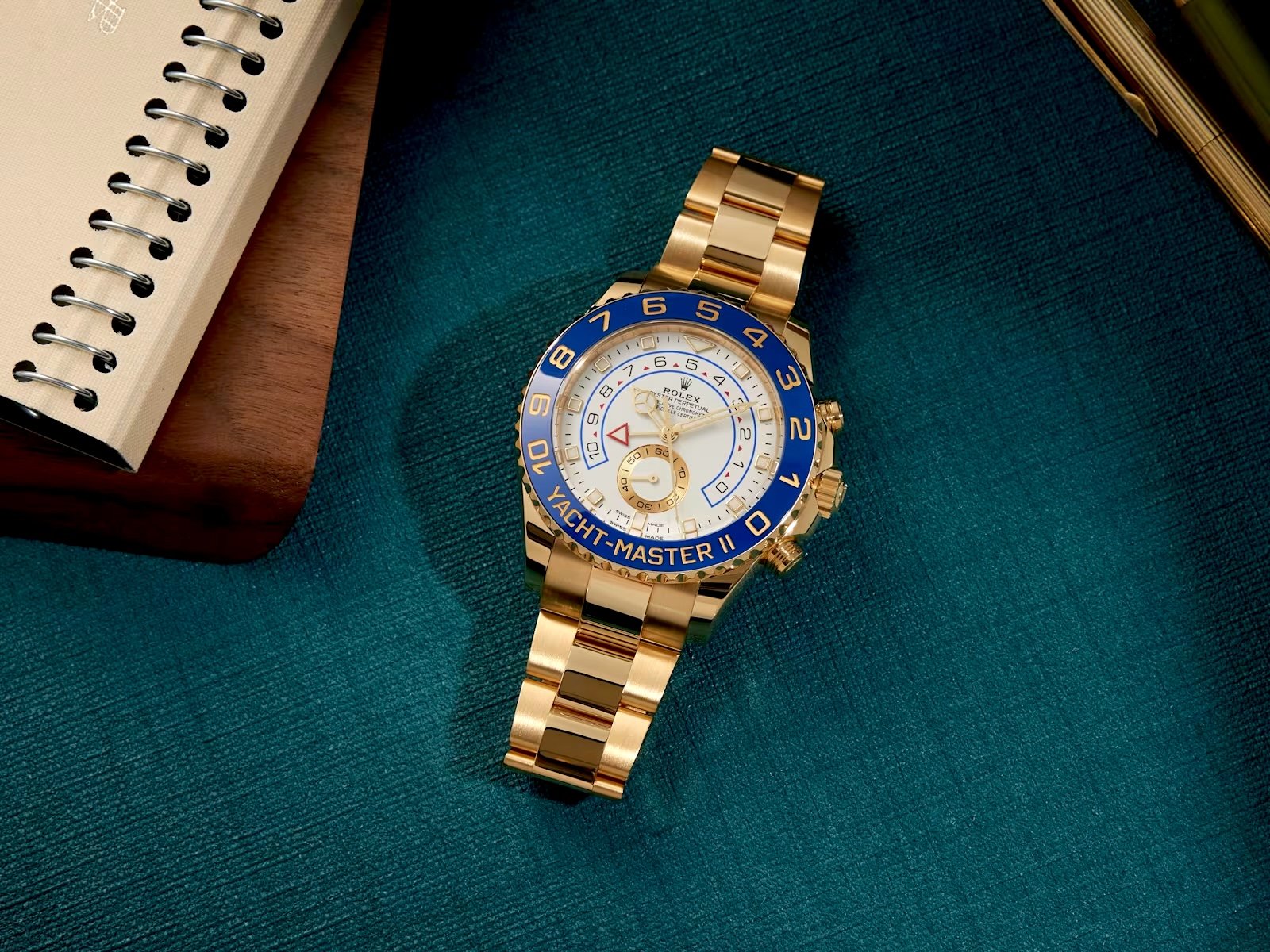
Yacht-Master II Reference 116688. (Photo credit: Bucherer)
This was a departure from Rolex’s usual approach to new releases, which tend to improve on existing complications. Here it introduced something completely new: a programmable mechanical countdown timer with memory.
The Yacht-Master II can feel sometimes removed from the brand’s other Professional models because of its highly specific purpose. Yet, beneath its polished exterior is one of the most technically complex movements Rolex has produced. Designed for competitive sailing, it was built to perform at the starting line of a regatta, where timing and positioning can be as important as speed. The first version came in solid 18k yellow gold, reference 116688.
The Ring Command bezel
At the center of that approach was the Ring Command bezel, one of Rolex’s most distinctive systems. Unlike a traditional bezel, it was mechanically linked to the movement. Turning it would engage internal gears that allowed the wearer to set, synchronize and reset the regatta countdown timer. Once set, the timer could be adjusted on the fly and aligned with the official race clock. This mechanical memory function was a first for a wristwatch chronograph and remains unique to the model.
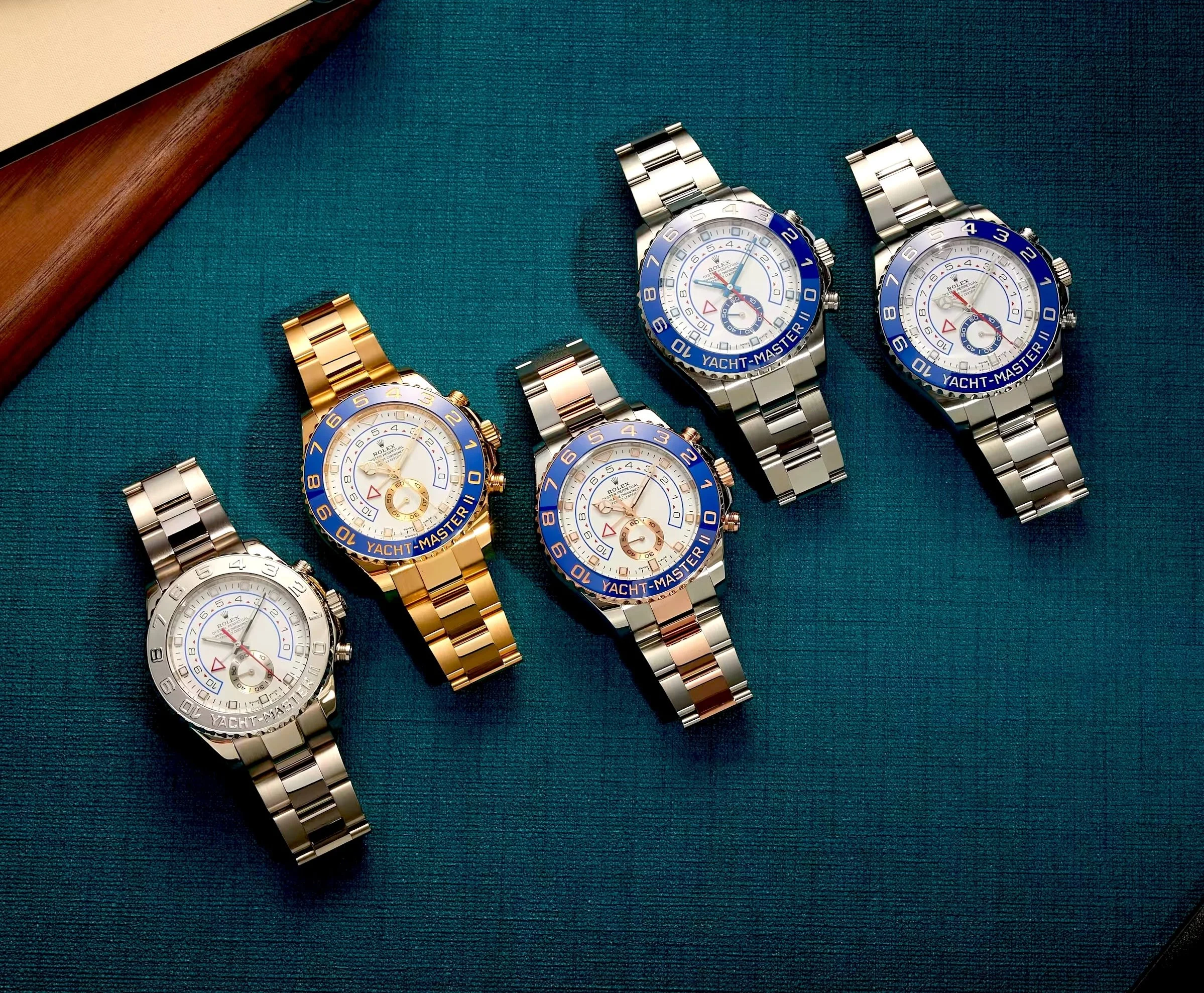
(Photo credit: Bucherer)
Powering the watch was the caliber 4161, a movement that reportedly required more than 35,000 hours to develop. With over 360 components, it built on the architecture of the Daytona’s caliber 4130 while introducing a new system tailored to the countdown function, a sign of Rolex’s emphasis on engineering.

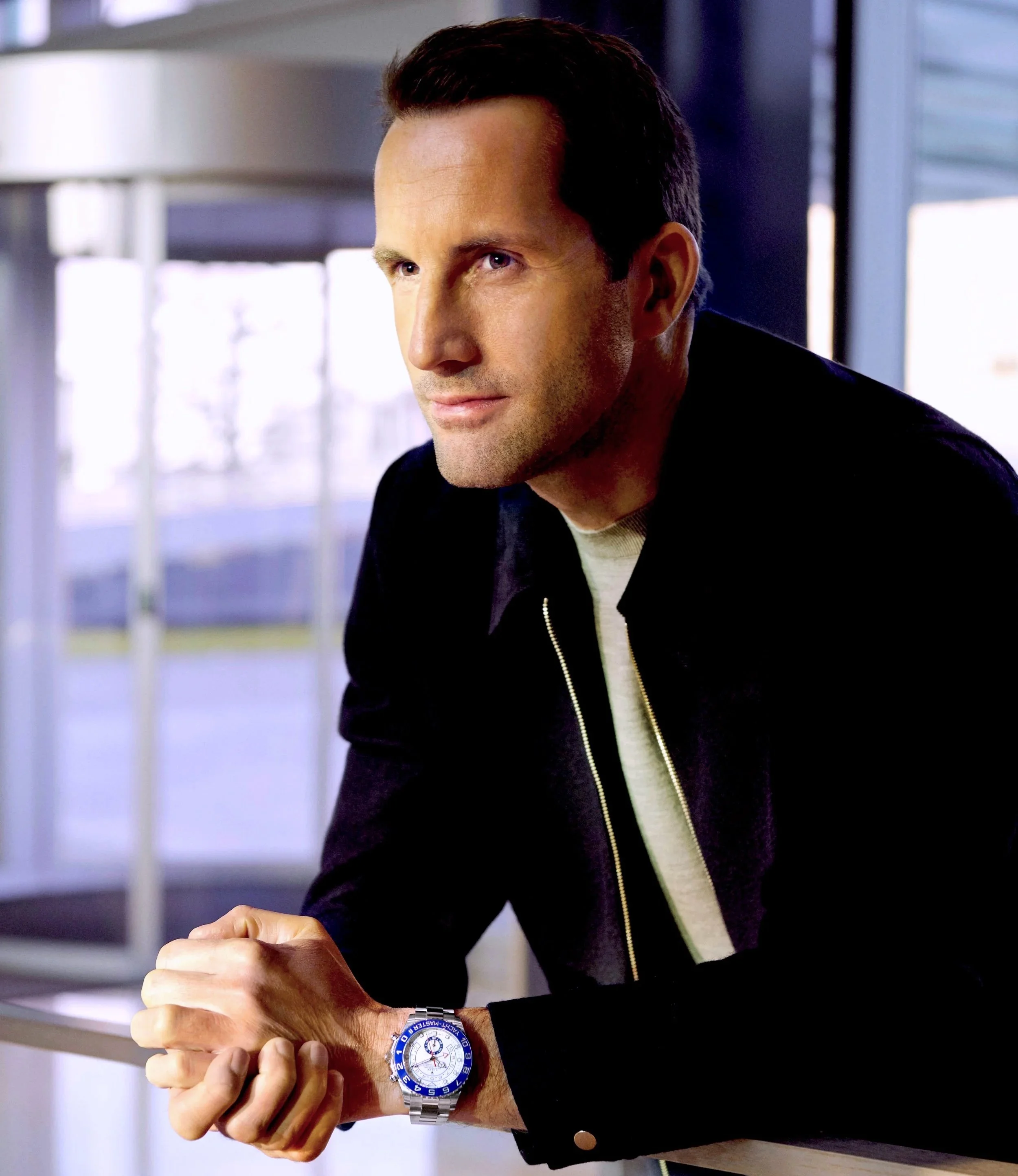
Sir Ben Ainslie. (Photo credit: Rolex)
Different Materials
Rolex expanded the Yacht-Master II across different materials. Alongside the original yellow gold model, the brand introduced the Rolesium reference 116689 in 2007, combining white gold with a platinum bezel for a more understated look. But Rolex didn't introduce it to market until 2010. In 2011, the two-tone steel and Everose gold reference 116681 followed, bringing the watch further into Rolex’s modern sport-luxury category.
The most practical shift came in 2013 with the stainless steel reference 116680. This version placed the regatta complication in a material more commonly associated with professional Rolex models. Early examples featured blue hands and markers, a non-Mercedes hour hand, and a square marker at 12 o’clock (pictured below, left).
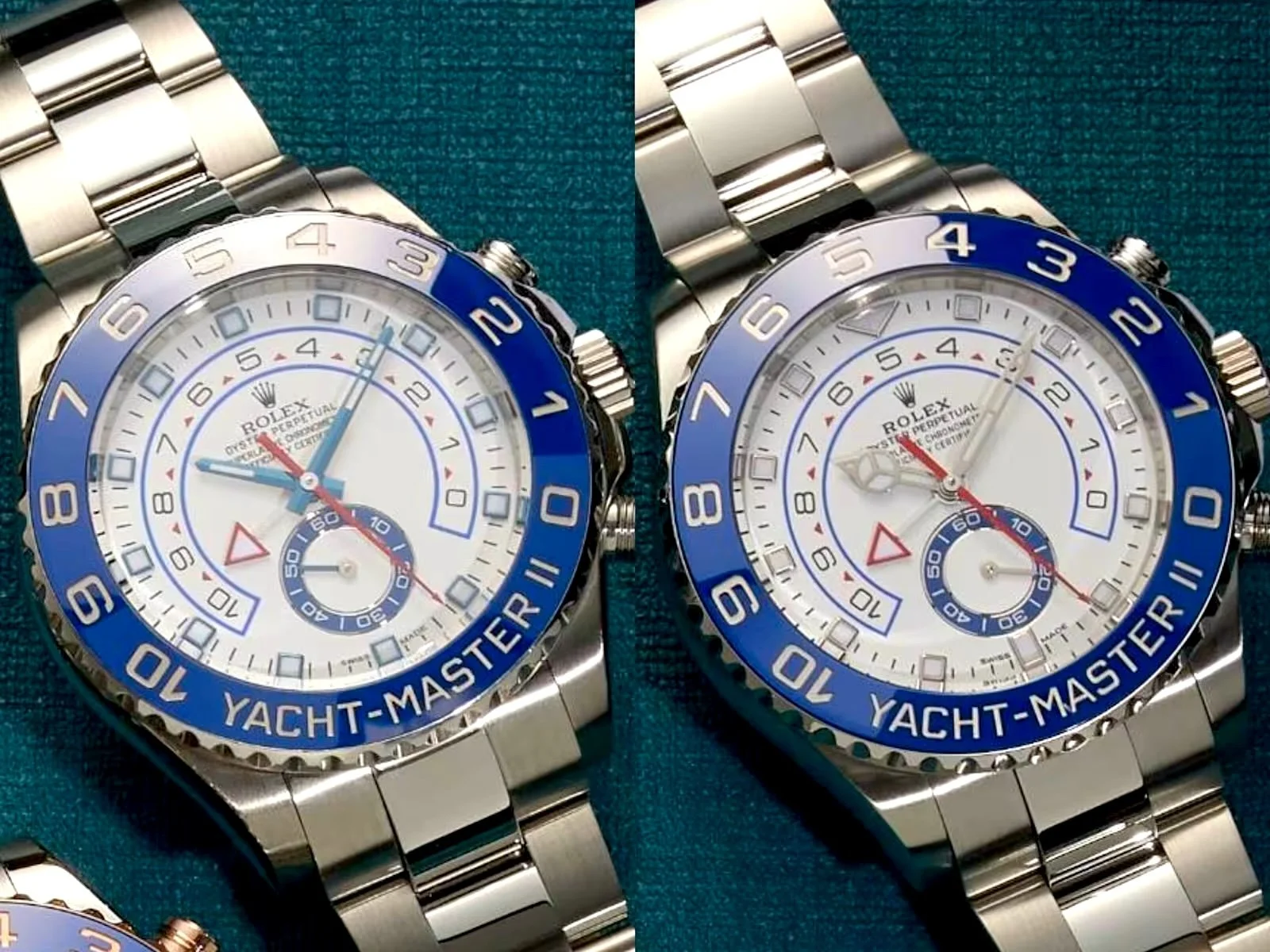
Yacht-Master II in steel, Reference 116680. (Photo credit: Bucherer)
New Hands
From around 2017, Rolex made more incremental updates. Later versions of the steel model introduced silver hands, the Mercedes hour hand, and a triangular marker at 12 o’clock (above, right). These changes aligned the watch more closely with Rolex’s broader sports design language while leaving its functionality unchanged.
With its origins in regatta timing, the Yacht-Master II seemed like a niche watch both by its function and by its size. With a 44mm case, one of the largest in the Rolex catalog, it had a dial that resembled an instrument panel, and bright colors that stood out rather than blended in. In the 2000s, a 44mm watch was not especially out of fashion. A Rolex representative in Geneva told me the larger watch size enhances legibility during a regatta for skippers, who tend to have a more athletic build.
An Updated Design and Movement
The Yacht-Master II was discontinued in 2024 only to be reintroduced in 2026 with a new design and movement, which features a completely reengineered countdown function. Calibre 4162 incorporates a number of the major innovations that Rolex has brought to its movements, including the Chronergy escapement. It also eliminates the need for the use of a Ring Command bezel to program the watch.
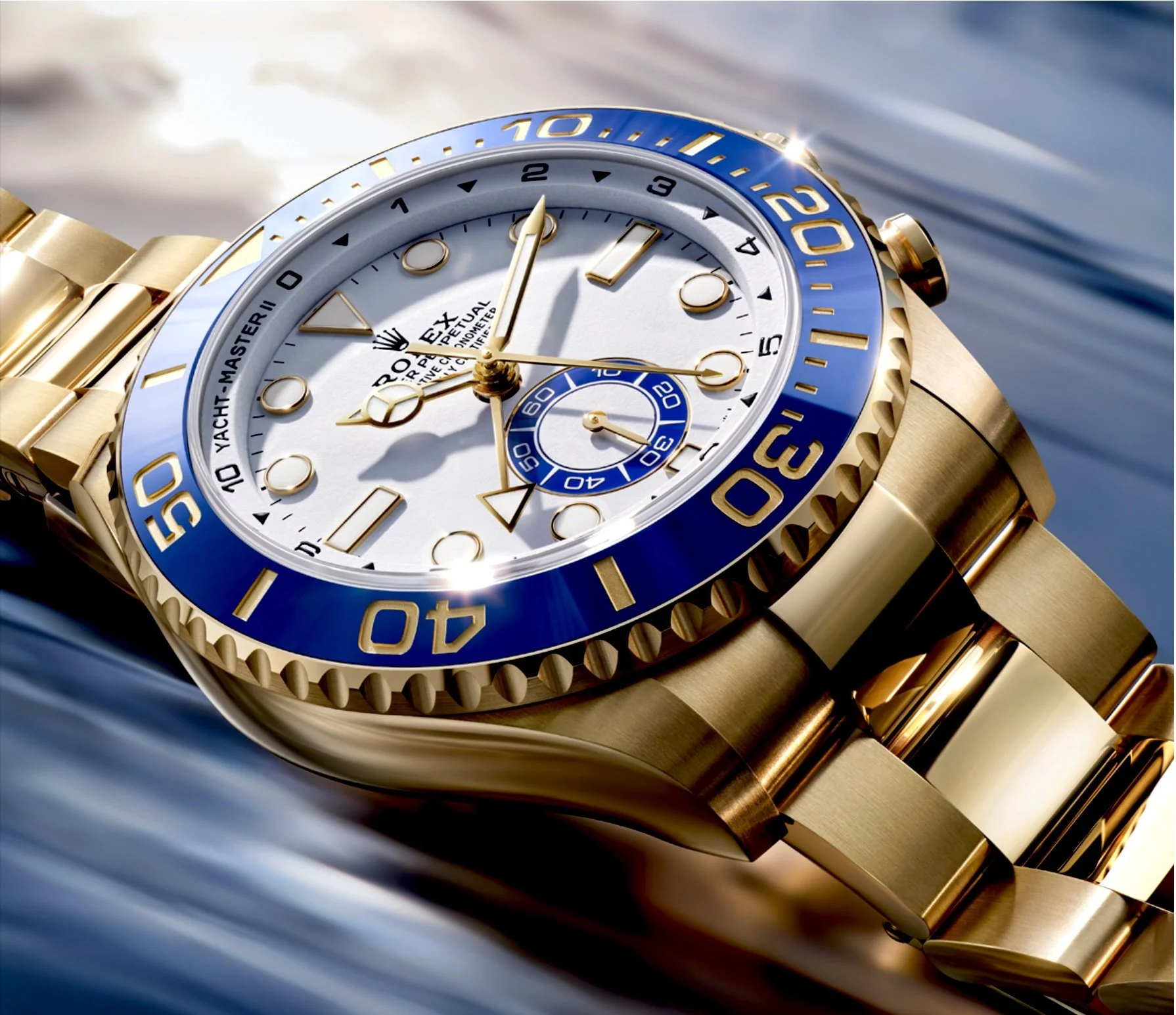
Yacht-Master II Reference 126688. (Photo credit: Rolex)
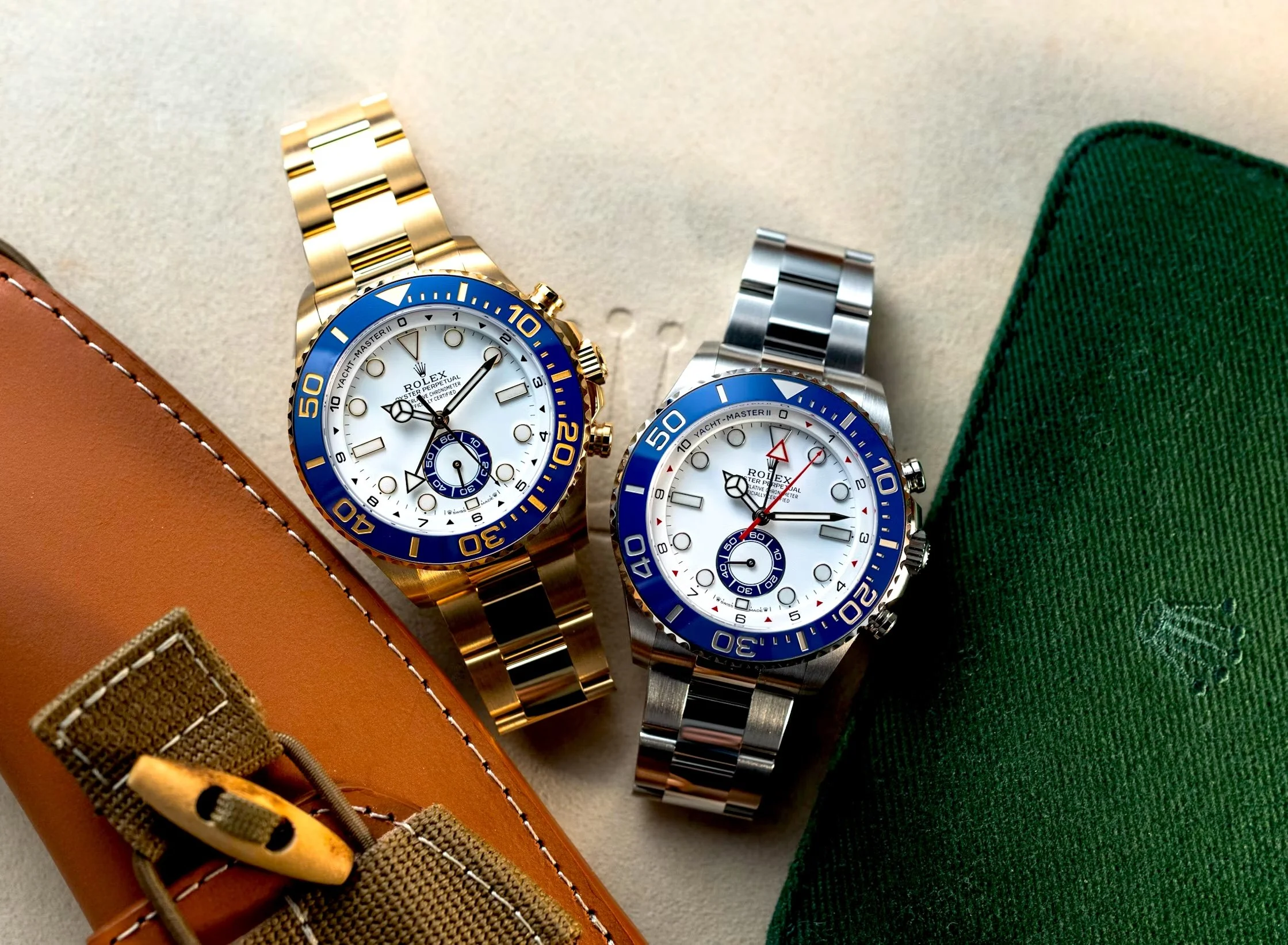
New 2026 Yacht-Master II, Reference 126688 and 126680. (Photo credit: Hodinkee)
With this new movement, the countdown minute and seconds hands turn counterclockwise — a first for Rolex — making the information more readable. Because of the counterclockwise rotation, the wearer can also read the last thirty seconds of the final minute of countdown on the bezel with graduated Cerachrom insert. The first half of the bezel insert indicates seconds, rather than minutes as when measuring a time interval. The dial features a never-before-seen white lacquer coating, a first for the collection, designed to reduce reflections.
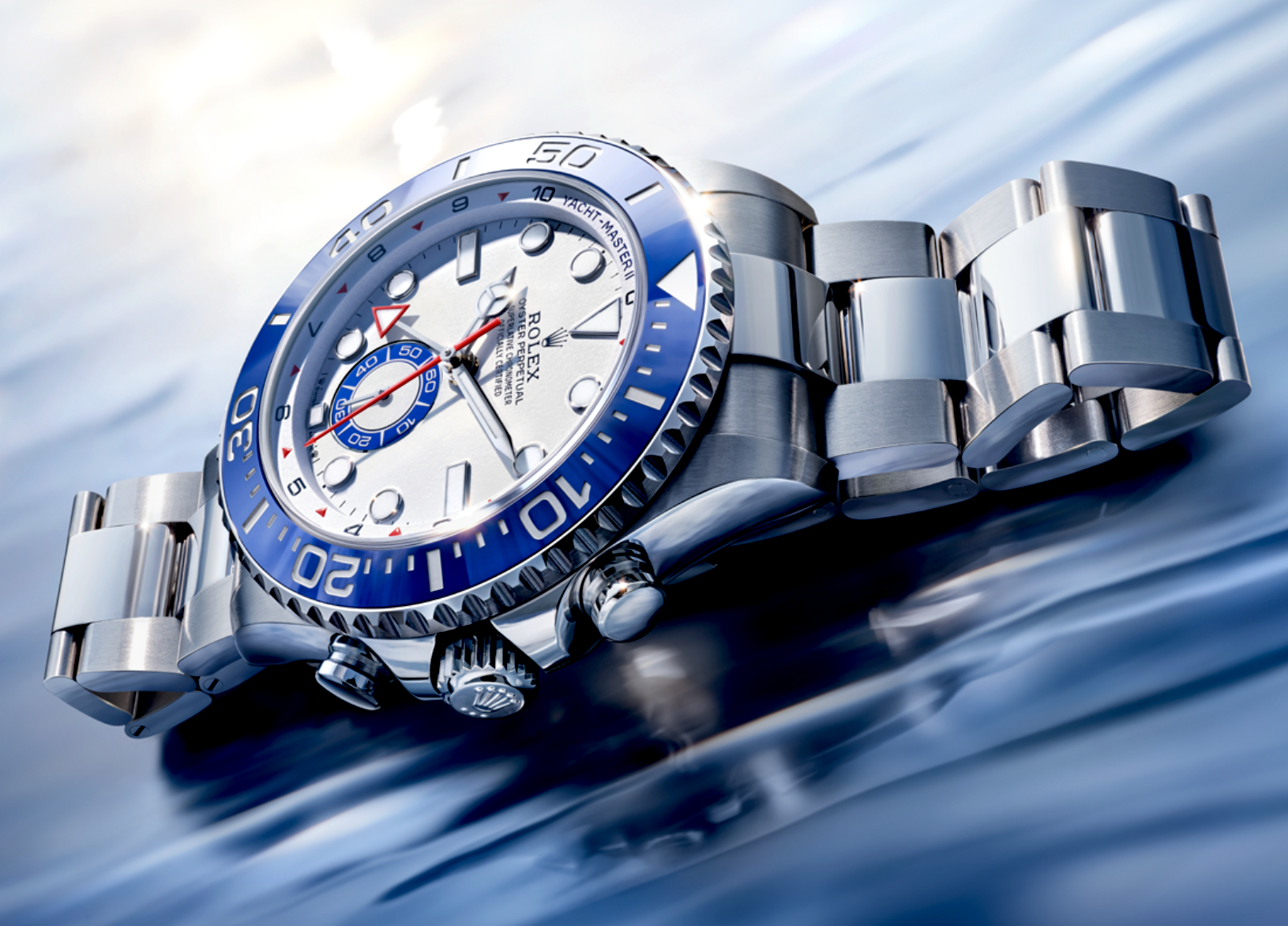
New 2026 Yacht-Master II in steel, Reference 126680. (Photo credit: Rolex)
Measuring Anticipation
The Yacht-Master II occupies a distinct place within the Rolex lineup. It is both an instrument of precision and a prominent piece; it's a link between the traditional sport of sailing and its modern identity. And it’s a unique Rolex innovation.
There is something fitting about a watch designed to measure anticipation rather than elapsed time, a reminder that in life, just like in sailing, where timing and positioning can be as important as speed, success is often determined by preparation before the actual event begins.
One More Thing
Please indulge me as I add, below, a non-related Rolex picture. My grandpa, who was a submariner during World War II and later became a Navy officer, is seen here with his teenage son, my dad. My dad would earn all his sailing certifications and endorsements.