
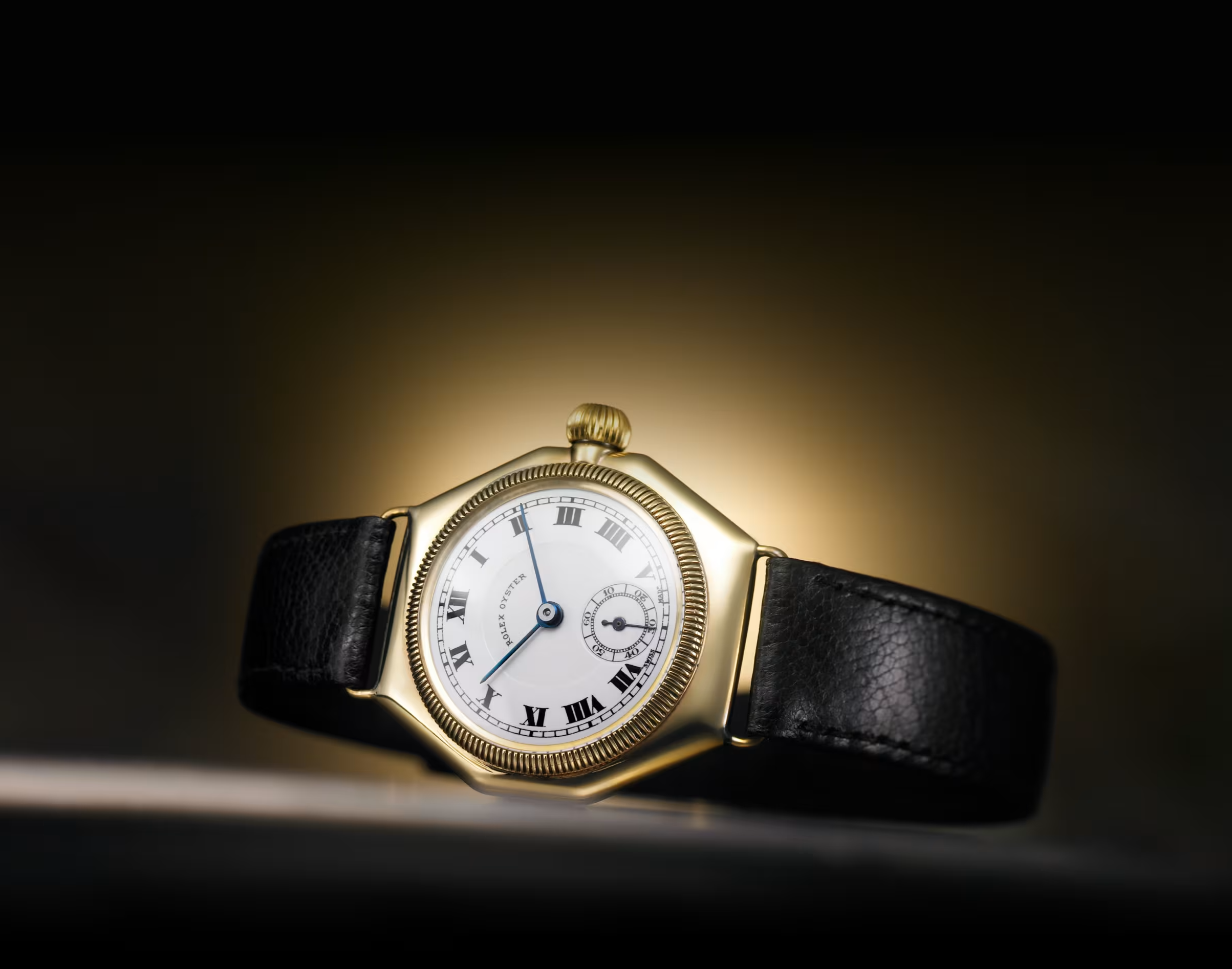
Rolex is celebrating, in 2026, the 100 years of the Oyster, the first waterproof and dustproof wristwatch in the world.
The Oyster’s success was not just its hermetically sealed case, but Hans Wilsdorf’s ability to bring pocket-watch precision to the wrist, something many in 1926 believed was impossible.
Robust and reliable, the Oyster became the preferred timekeeper of explorers, whose achievements contributed to Rolex's reputation through the next 100 years.
The story of the Oyster is told here through the writings of Hans Wilsdorf, the founder of Rolex.
(Photo credit: Rolex)
THE OYSTER, 'THE BEST WRISTWATCH IN THE WORLD'
“Gentlemen, we make the best wristwatch in the world.” In January 1927, the founder of Rolex addressed an assembly of watch retailers to present his most recent creation: the Rolex Oyster. It had been launched a few months earlier, in 1926, and was the first-ever completely hermetic and waterproof wristwatch.
“The Oyster is, in our opinion, the most important invention regarding watches of recent years,” he said. Hans Wilsdorf had the credibility to make that claim: in just over two decades, he had built a pioneering wristwatch brand known for advances in precision and original design. By that point, he could legitimately proclaim that he had created “more successful models of wristwatches for the British market than the whole of Switzerland combined.”
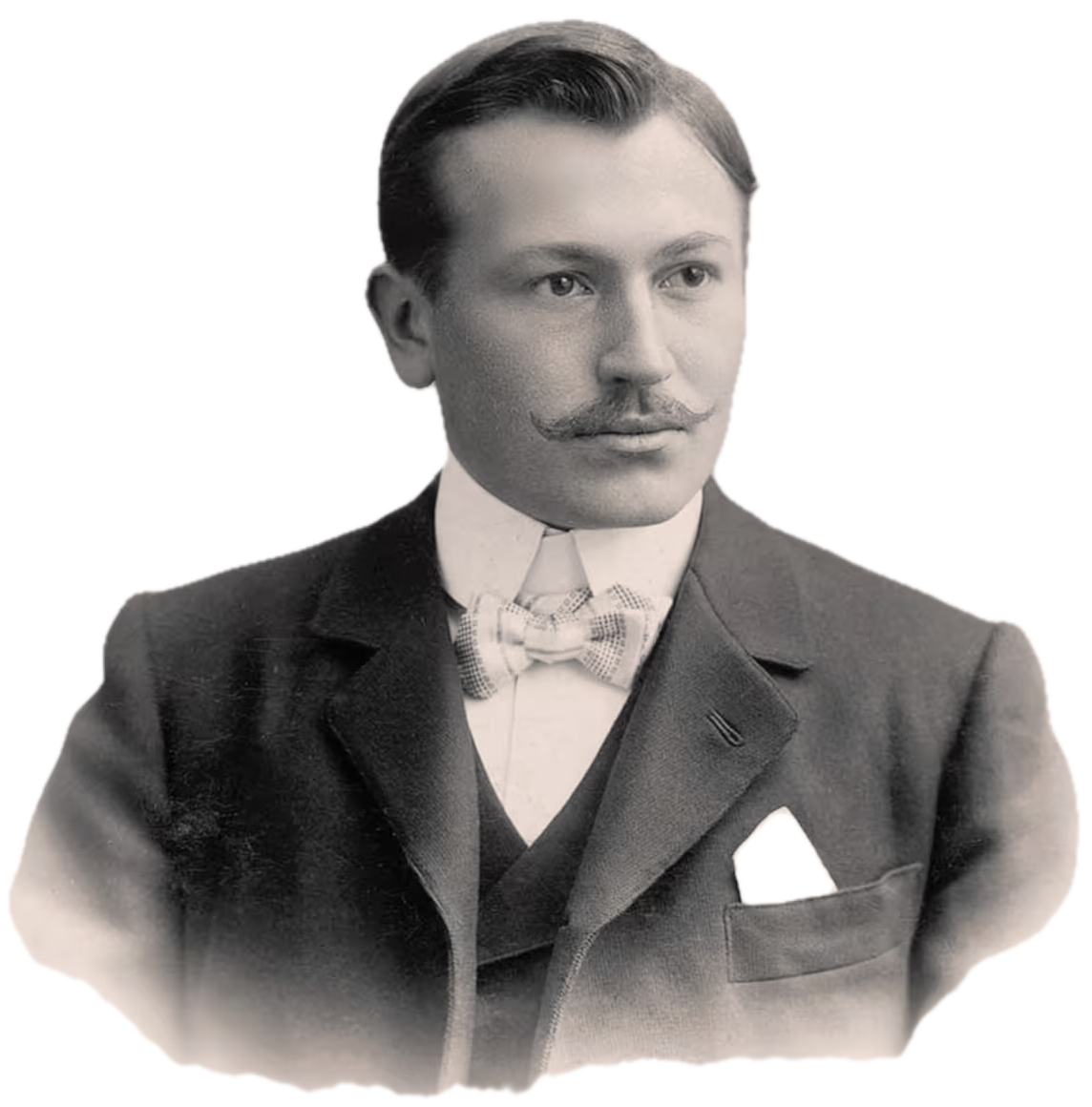
Rolex founder Hans Wilsdorf. (Credit: Rolex)
MASTERY OF PRECISION
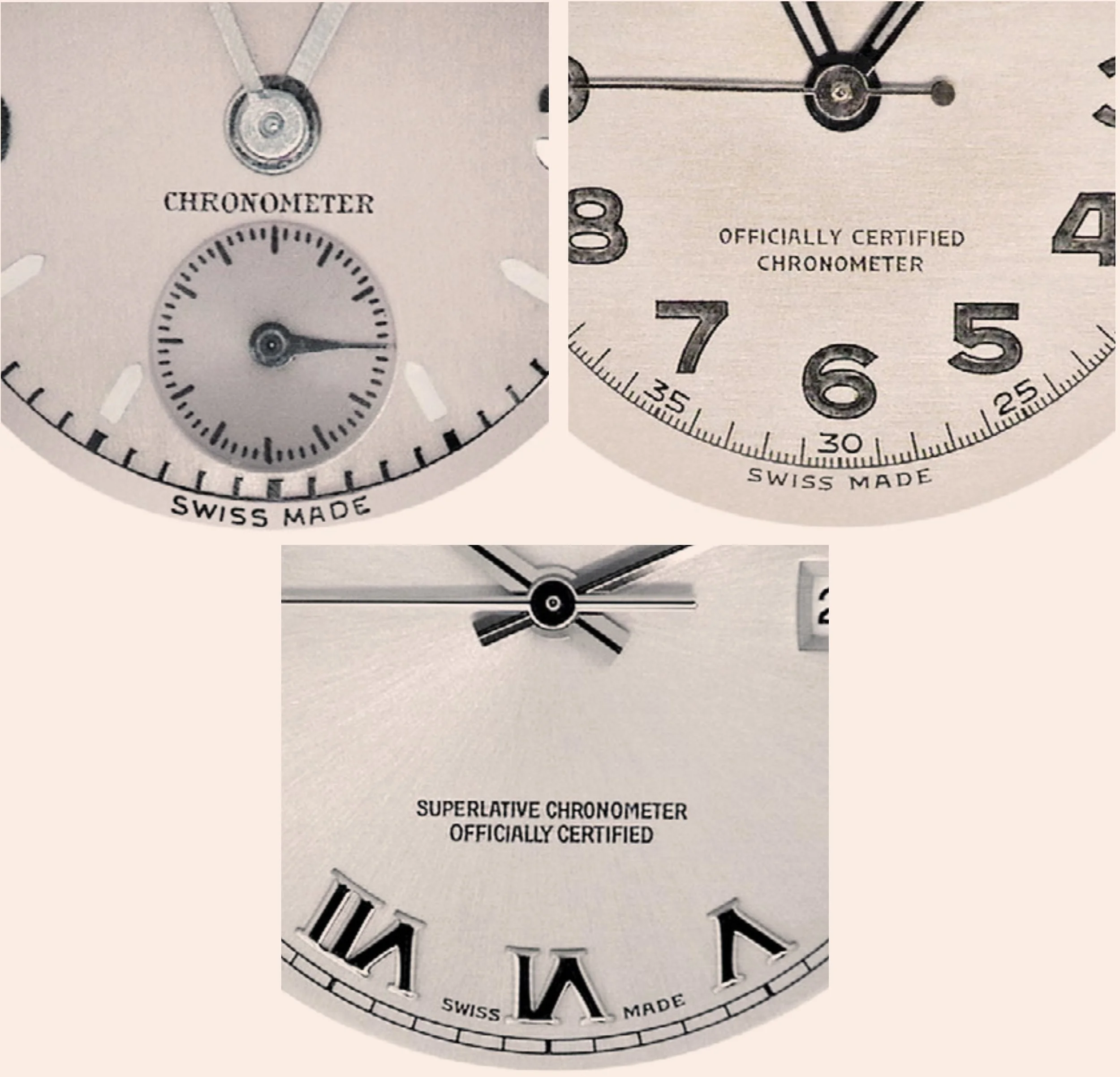
Hans Wilsdorf made precision his top priority. In 1910, a Rolex wristwatch became the first to receive a chronometer certificate, an official mark of precision granted by a Swiss watch rating center. The certification demonstrated for the first time that a wristwatch could match the accuracy of a pocket watch, which was then considered the standard.
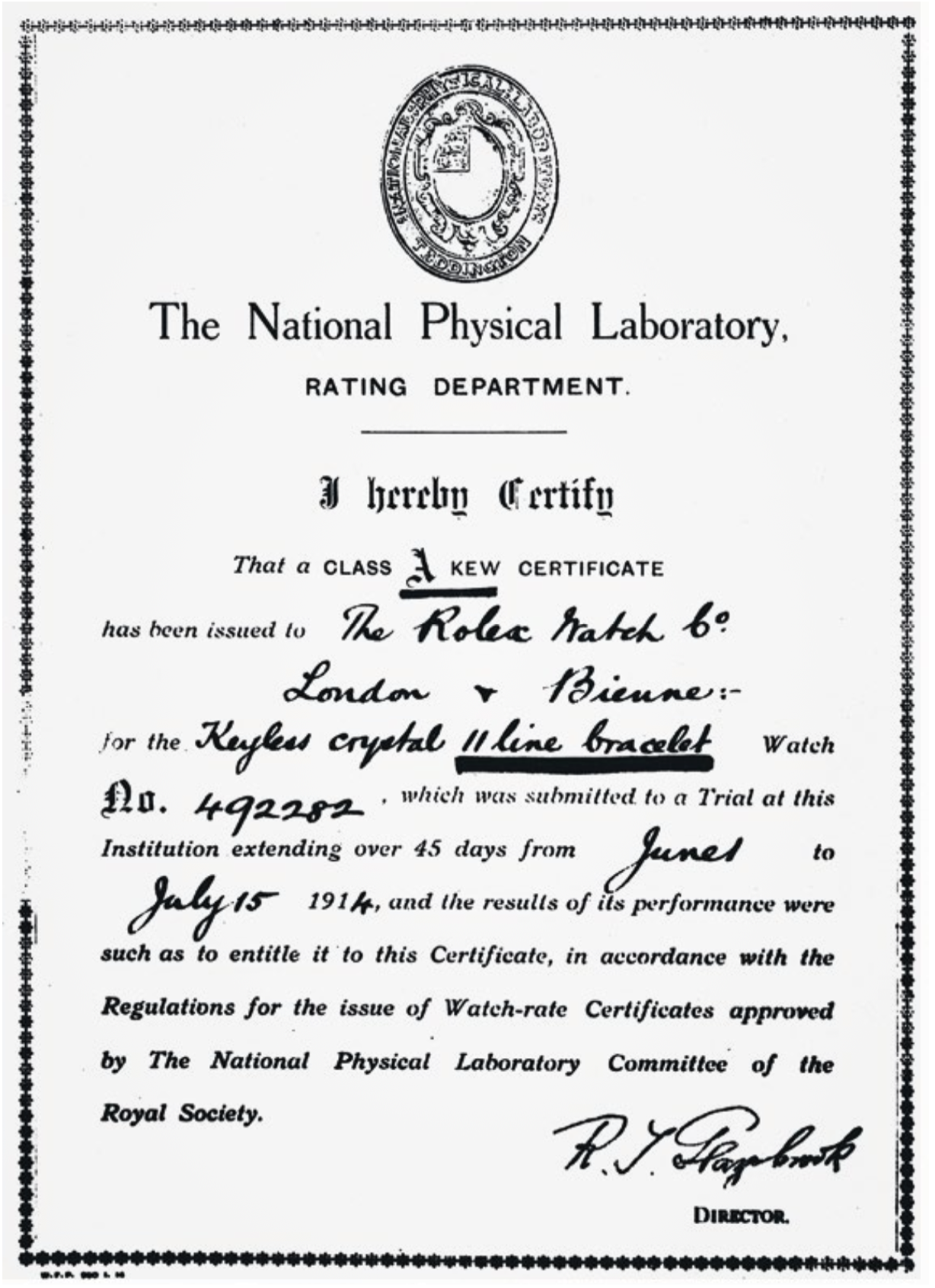
In 1914, the Kew Observatory in Great Britain, regarded at the time as the highest authority for chronometric precision, awarded a “Class A” precision certificate to a Rolex wristwatch. The tests lasted 45 days and had traditionally been reserved for marine chronometers. The result surprised the watchmaking world and proved that a wristwatch could rival the most precise timepieces available.
These achievements helped establish the credibility of the wristwatch, which until then had often been viewed as a decorative object rather than a serious instrument of timekeeping.
In a document written in 1945, Wilsdorf recalled the skepticism that surrounded wristwatches in their early years:
“Watchmakers all over the world remained sceptical as to [the wristwatch’s] possibilities and believed that this new-fangled object was bound to prove a failure. Their arguments against the wristwatch were, inter alia, the following: firstly, the mechanism required by this type of watch must of necessity be small and delicate and it could never withstand the violent gestures of hand and arm. Secondly, dust and damp would rapidly spoil the mechanism, even if it were well constructed. Thirdly, accuracy and regularity of working could never be obtained with so small a movement.”
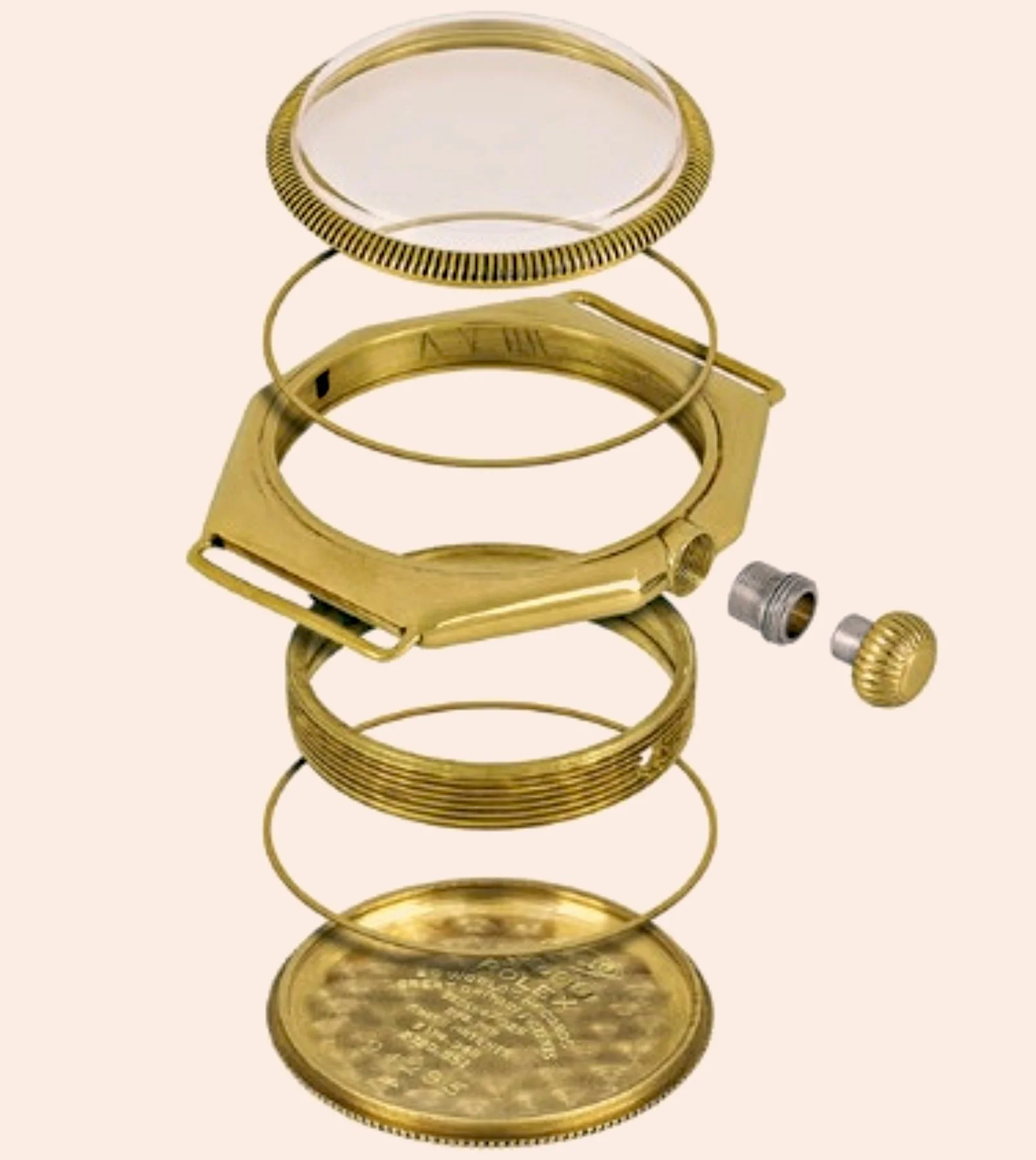
Exploded view of the original Oyster with its screw-down case back, bezel and winding crown. (Photo credit: Rolex)
After addressing precision, Wilsdorf turned his attention to overcoming the other two challenges. “To my technical assistants, my constant refrain from the earliest days was: ‘We must succeed in making a watch case so tight that our movements will be permanently guaranteed against damage caused by dust, perspiration, water, heat and cold. Only then will the perfect accuracy of the Rolex watch be secured,’” he said.
WATERPROOFNESS, RELIABILITY ON EVERY COUNT
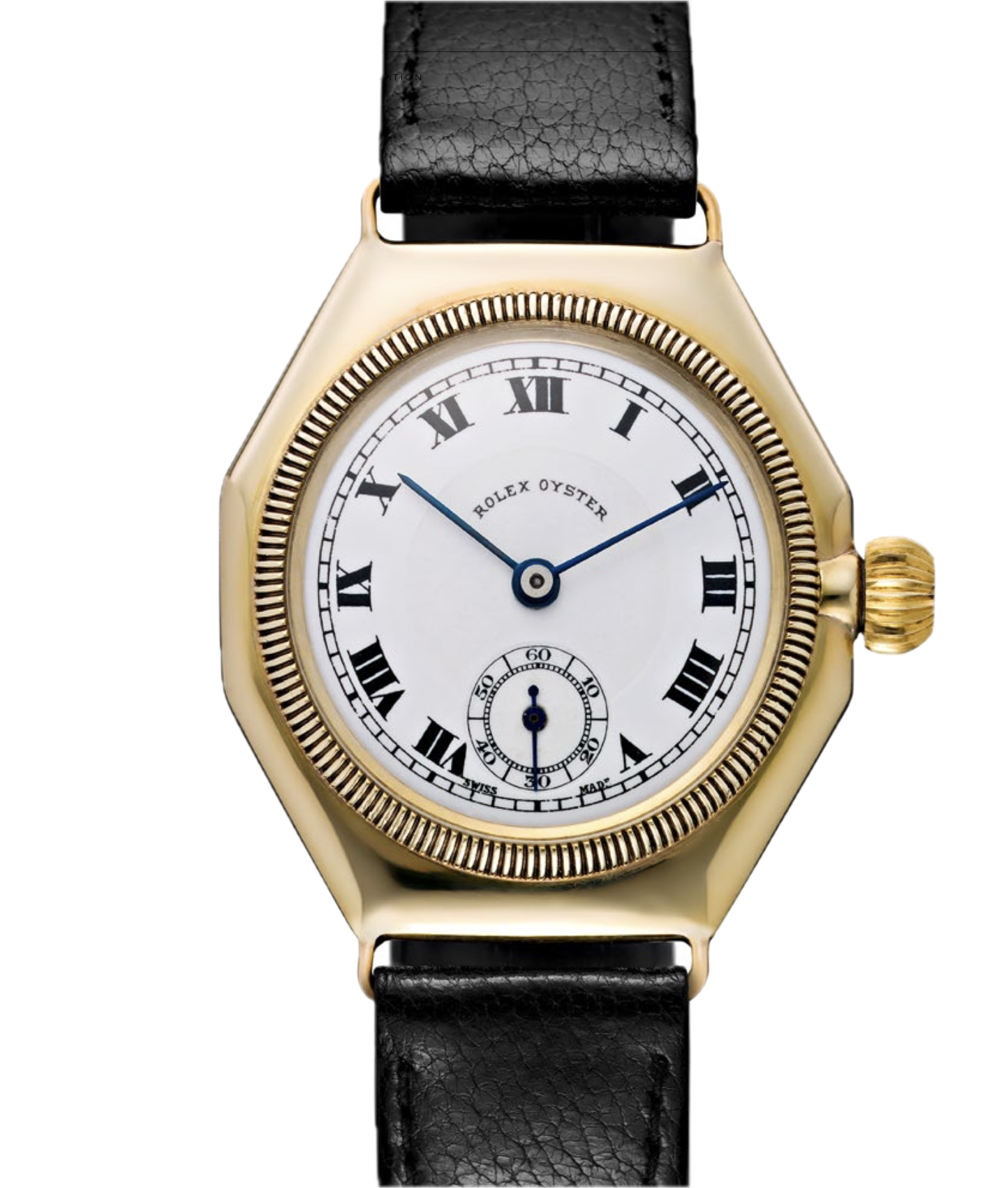
The introduction of the Oyster marked a second step in the realization of Wilsdorf’s vision. The Oyster offered, he said, “the ideal solution [to] a problem that has baffled everybody since watches [have been] worn on the wrist.” And he continued: “I prophesy that the Oyster will popularize the wearing of wristwatches with men more than anything else has done.”
(Photo credit: Rolex)
With the Oyster, it was no longer necessary to remove the watch to wash one’s hands, bathe, or work in dusty or humid conditions. “You just keep your Oyster on your wrist whatever happens and it will never fail you.”
The Oyster’s hermetically sealed case protected the movement through a patented system incorporating a screw-down bezel, case back and winding crown. Case and movement were considered as one, designed to improve long-term chronometric performance. Waterproofness, Wilsdorf emphasized, also contributed directly to maintaining precision.
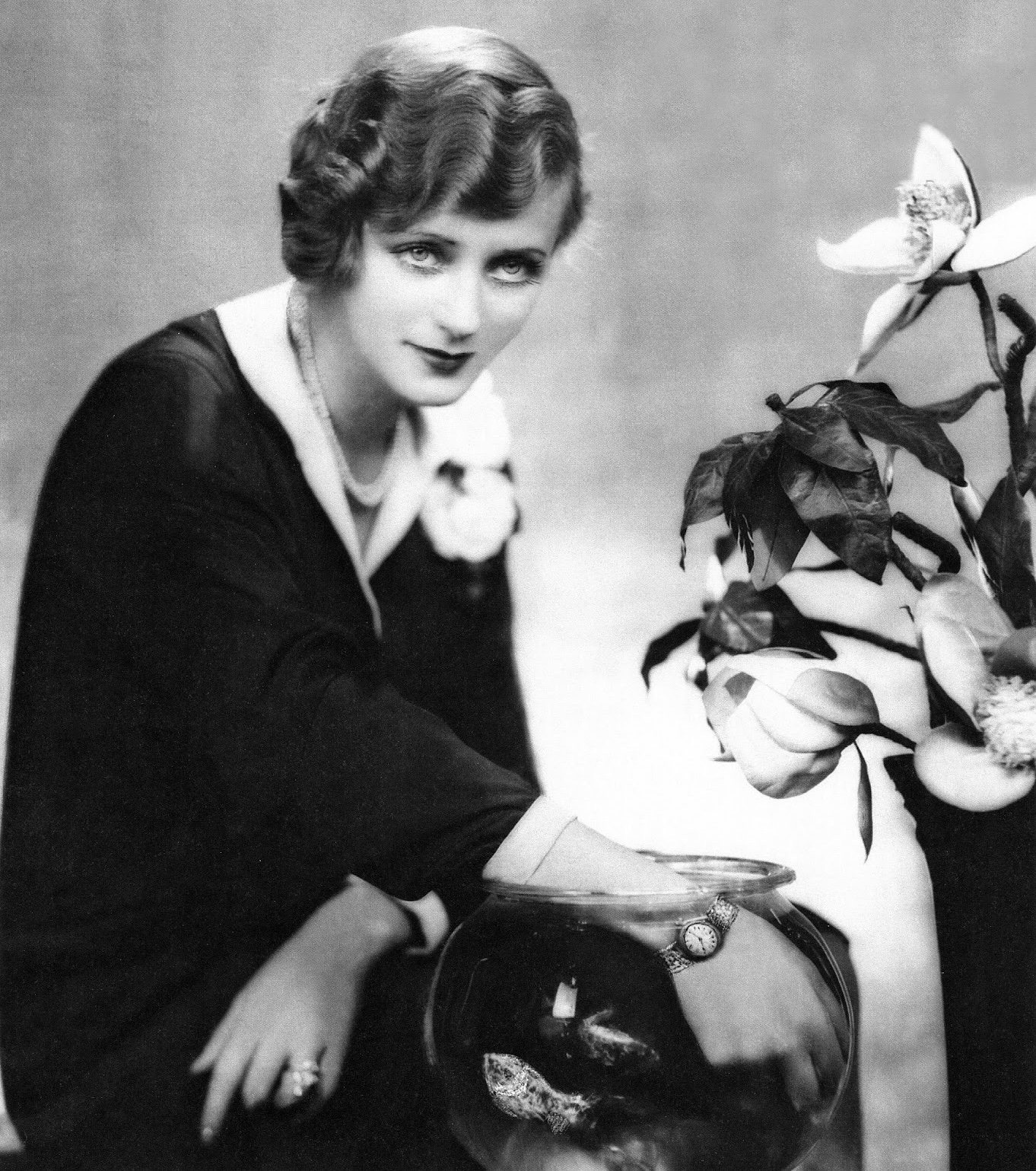
Actress Evelyn Laye demonstrates the waterproofness of her Rolex Oyster in the 1930s. (Rolex)

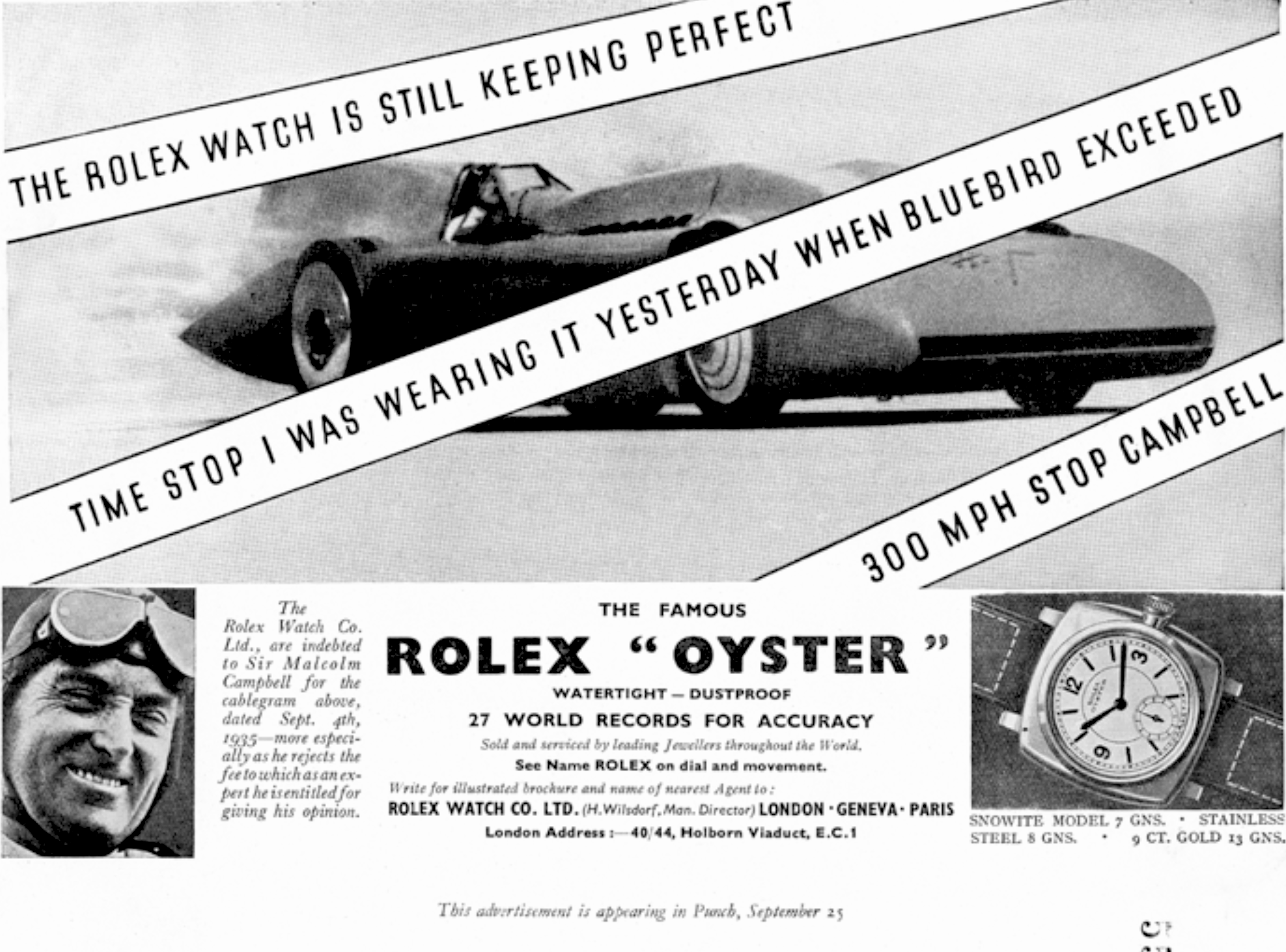
1920s and 1930s advertisements illustrating the Oyster’s adventures. (Rolex)
As he explained in 1927:
“Apart from being waterproof, dirt and every other proof [the Oyster] has the very important advantage over all other watches [in] that it will maintain its time keeping and not...vary gradually, more and more, for the simple reason that the true cause of such irregularities is banned. We all know that the pivots must run in oil, and oil attracts all those fine particles of dust, which constantly, although in only very small quantities, penetrate into all watch movements, however well the cases are made. The rotary action of the pivots gradually makes a paste of the oil that thickens more as time goes on, and dust gets attracted and is mixed up with it. This paste acts like emery paper on the very fine pivots and pinions and gradually they get worn away, very little of course, but sufficiently to cause bad time keeping. [...] Our Oyster excludes all dust and consequently it will always maintain perfect time.”
Wilsdorf also recognized the importance of aesthetics for a wristwatch, which is more conspicuous than a pocket watch: “Once and for ever the problem of having a hermetically sealed watch is solved – and solved in such a way that beauty of design goes hand-in-hand with utility.”
THE ORIGIN OF THE NAME OYSTER
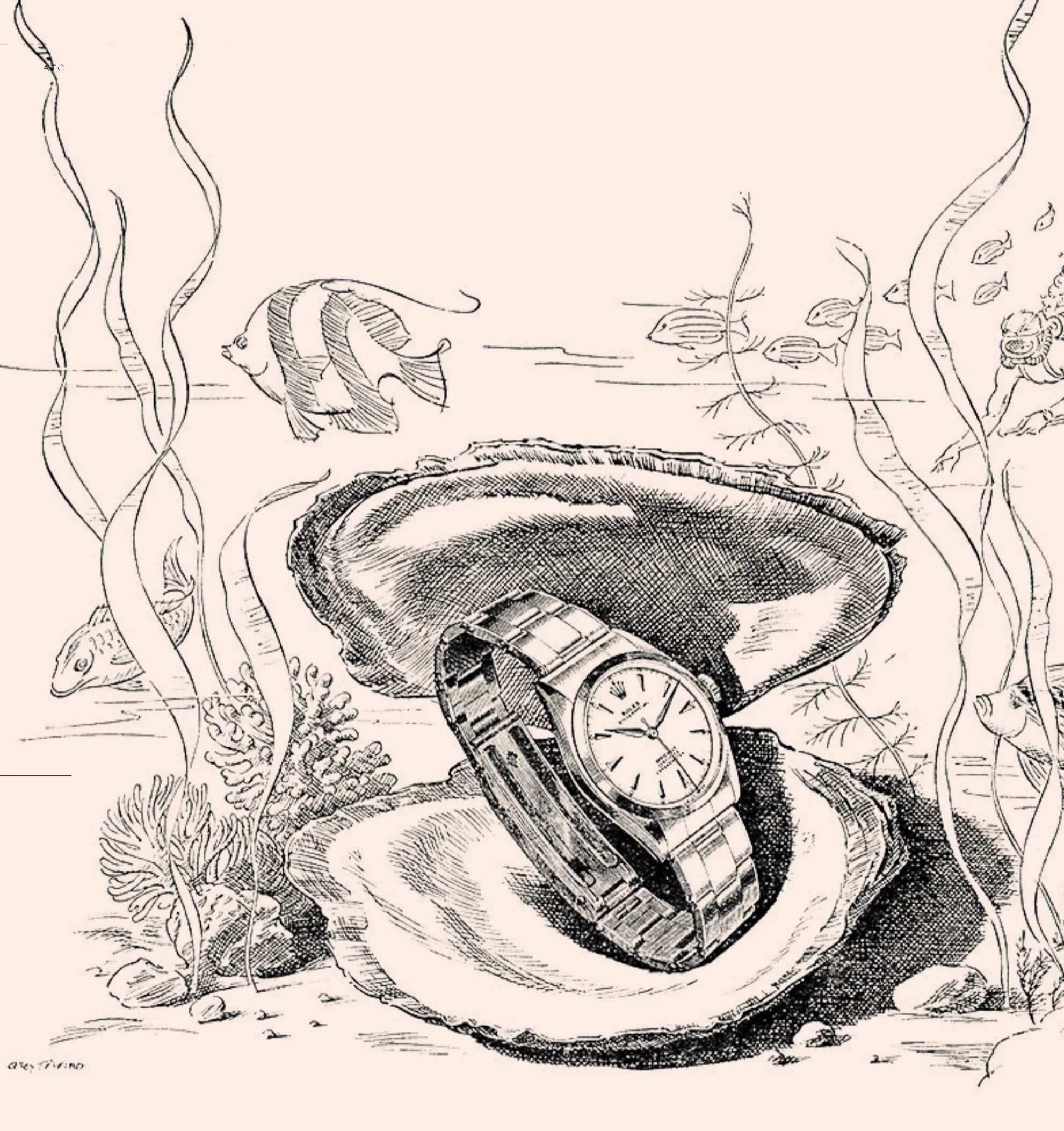
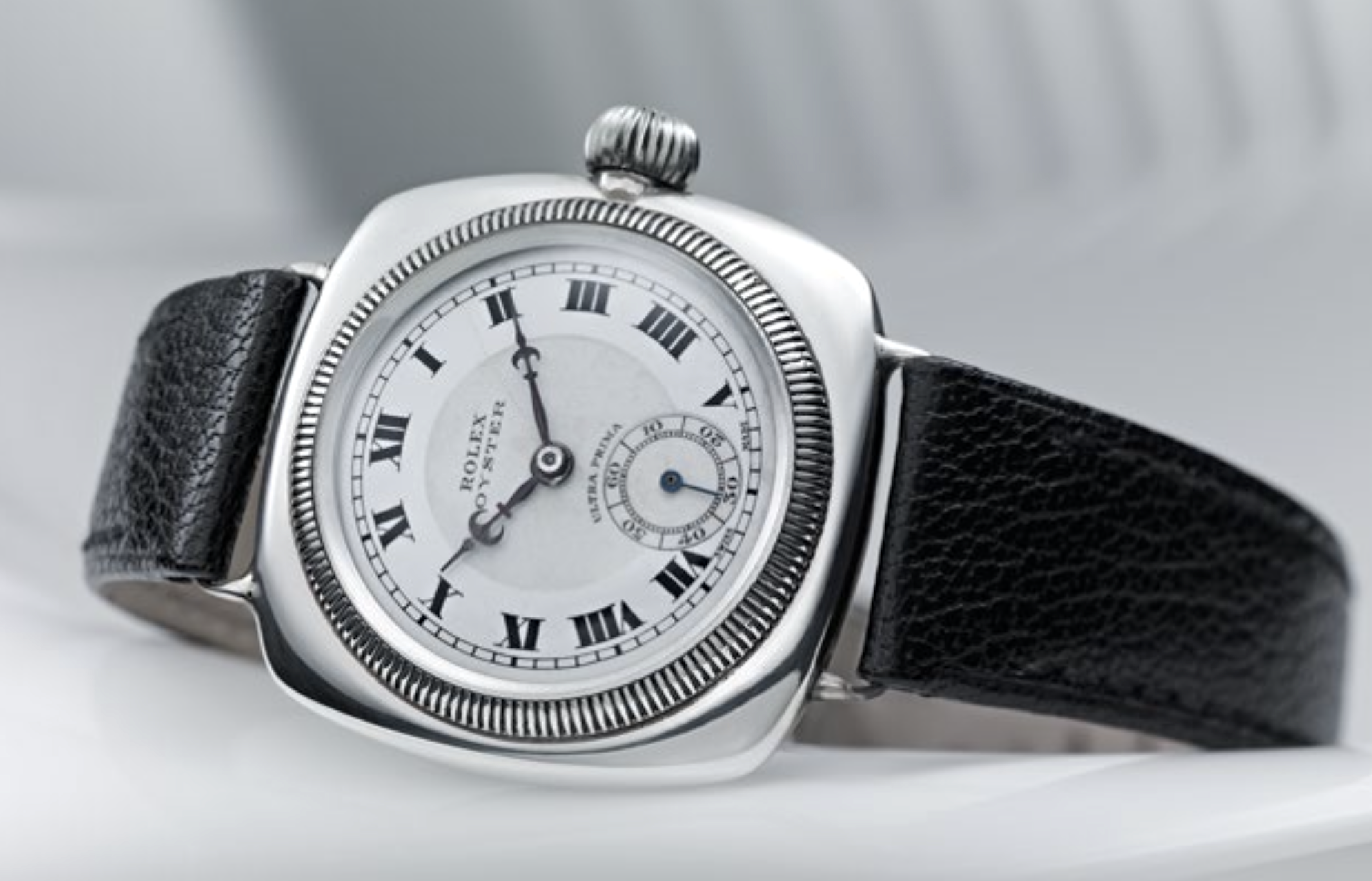
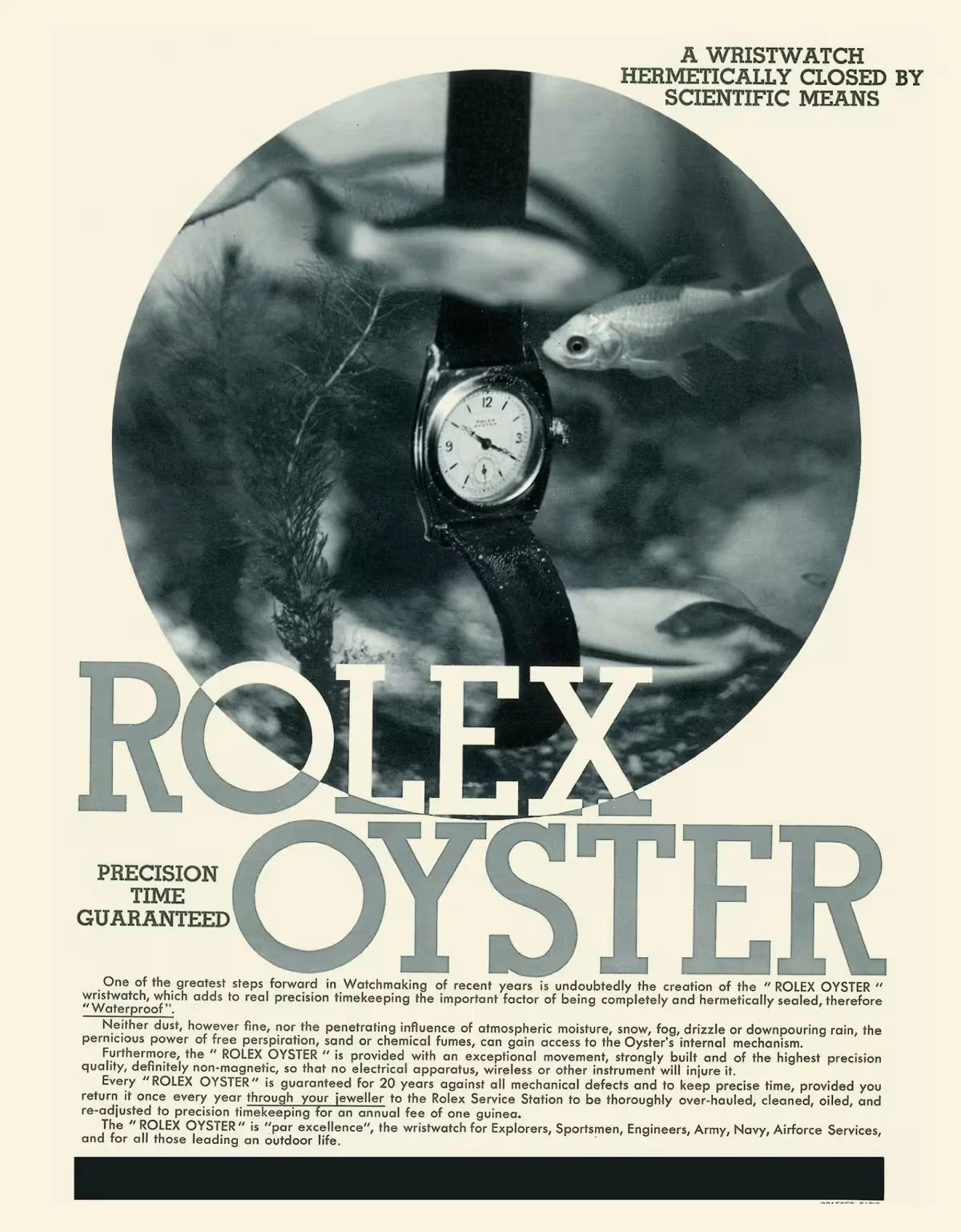
Wilsdorf explained the name in 1945: “The fact that, like an oyster, it can remain an unlimited time under water without detriment to its parts, gave me the idea of christening it the ‘Rolex Oyster,’ the name under which it has become famous throughout the world.”
He was even more explicit in the 1927 speech in describing the newly invented Oyster as “a model housekeeper” that “simply tolerates no dust or other impurities. [...] Gentlemen, we have borrowed these qualities and also her name. Here is a specimen of the Rolex Oyster – so called because it lives in water and shuts out all impurities."
(Photo credit: Rolex)
A WATCHMAKING REVOLUTION
At the time of its introduction, the concept of a waterproof wristwatch was widely dismissed within the industry, Wilsdorf said in 1945, when looking back on the 1926 era:
“In those days, the idea of a watch impermeable to water appeared quite utopian and without future to the majority of manufacturers and technicians who did not, in fact, see its necessity or utility. At trade congresses and meetings, the 'waterproof' watch was held to scorn by specialists and a discussion of the problem provoked sarcasm rather than useful and objective arguments.”
However, Mr. Wilsdorf pressed on and, through an aggressive communications push, made the watch known worldwide.
“Other manufacturers had to follow the movement which was to exercise an enormous influence on the entire Swiss watchmaking industry... Statistics show that since 1927 waterproof wristwatches, to a value of more than one thousand million Swiss francs, have been exported throughout the five continents. Another and no less tangible result of the development of the waterproof watch is the profound modification it has brought to the manufacture of watch cases generally in Switzerland. Old machinery, incapable of turning out such delicate work, had to be replaced by new and more accurate machines. Millions of francs were invested in this modern technique and the machine industry entered a new era of prosperity. The Swiss watch-case industry itself regained its position as the first in the world and this at a time when it seemed to have most serious foreign competition to face.”
Chronometer certifications on Rolex dials. (Rolex)
SELF-WINDING PERFECTS THE OYSTER
As well protected as it was by its waterproof case, the original Oyster still had a weak point: like all watches of its era, it required regular winding to keep running. Each time the crown was unscrewed, the waterproof seal was broken, undermining the watch’s separation from the elements.
To complete the Oyster concept and create a truly sealed environment for the movement, the watch had to wind itself without outside intervention. Self-winding had existed in pocket watches since the 18th century, but by the 1920s, wristwatch versions were still largely unsatisfactory.
1935 Oyster advertisement. (Rolex)
With the same determination he had shown before, Wilsdorf tackled self-winding and turned it into the third pillar of the Oyster.
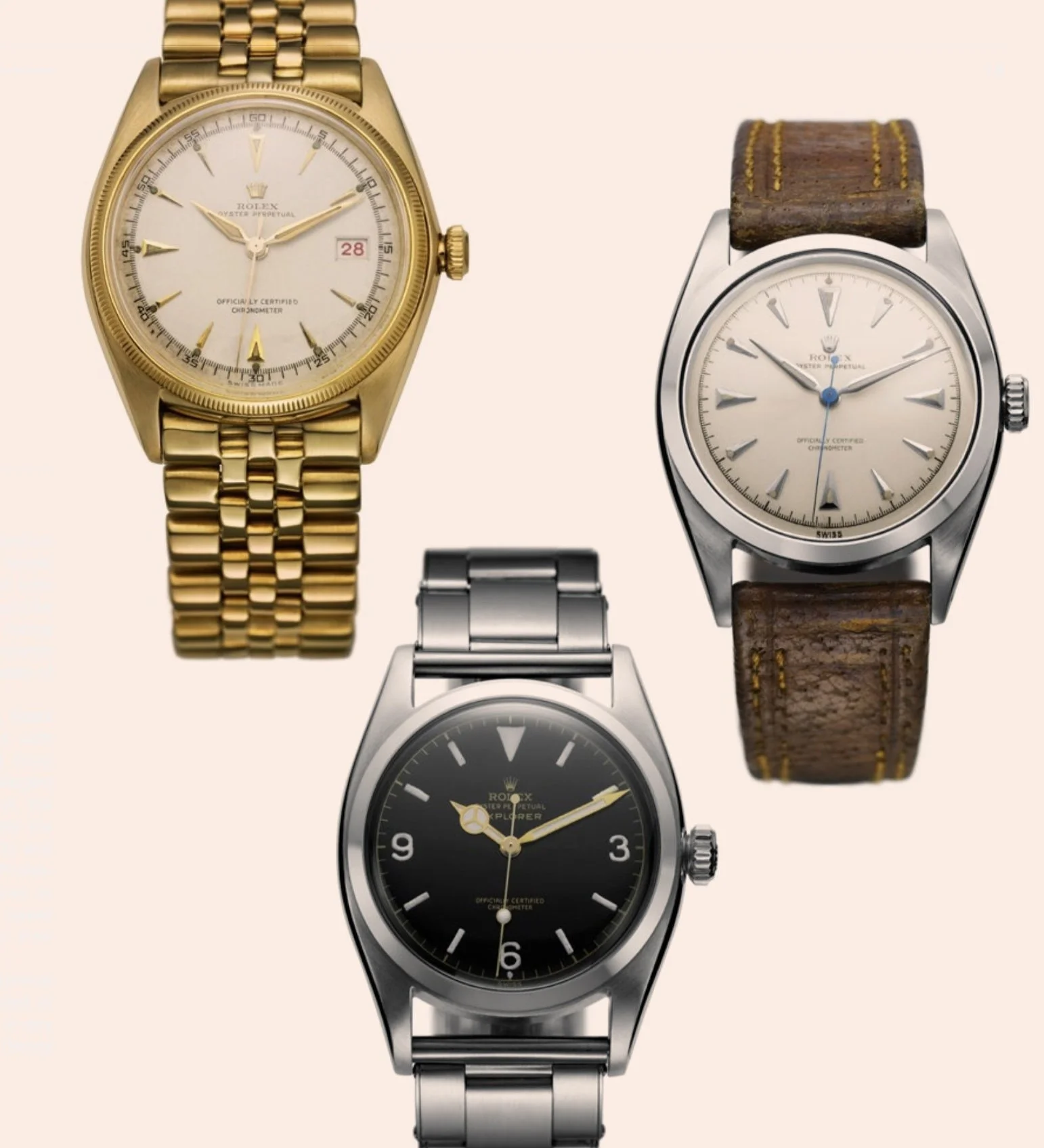
After several years of research, Rolex’s technical teams in Bienne found a breakthrough. In 1931, the brand patented a self-winding system with a free-moving rotor, called “Perpetual,” which would later become the industry standard. Worn on the wrist, the watch now wound itself, with everyday motion turning the rotor and powering the mainspring.
1945, Datejust; 1953, Oyster Perpetual; 1953, Explorer. (Rolex)
The Rolex Perpetual system offered another benefit: by constantly keeping the mainspring wound, it delivered more consistent power and improved accuracy. In doing so, the Perpetual rotor completed the Oyster concept, boosting precision, waterproofness and reliability while eliminating the need for manual winding.
With that, the Rolex Oyster Perpetual was born, a watch whose innovations went on to shape how modern mechanical watches are made and helped establish Rolex’s reputation for precision, reliability and durability.