
We’ve seen an onset of companies making watches out of alternative materials but what are the implications? Watches have historically been made of silver, gold, and steel, with platinum being the most exclusive material. Silver was prominent before the 20th century, as steel was difficult to work and gold was expensive, but overtime steel and gold have come to dominate the market. This is mostly due to their physical properties; anti-corrosive, scratch resistant, durable, etc. Brands have tried to emphasize these features, like Rolex when it released its first 904L steel watch in 1985. However, with increasing competition and the changing public perception of watches as accessories instead tools, attributes and materials such as the ones above are increasingly less important for consumers who seek to express themselves through their timepieces, instead of taking it to work at the railyard.
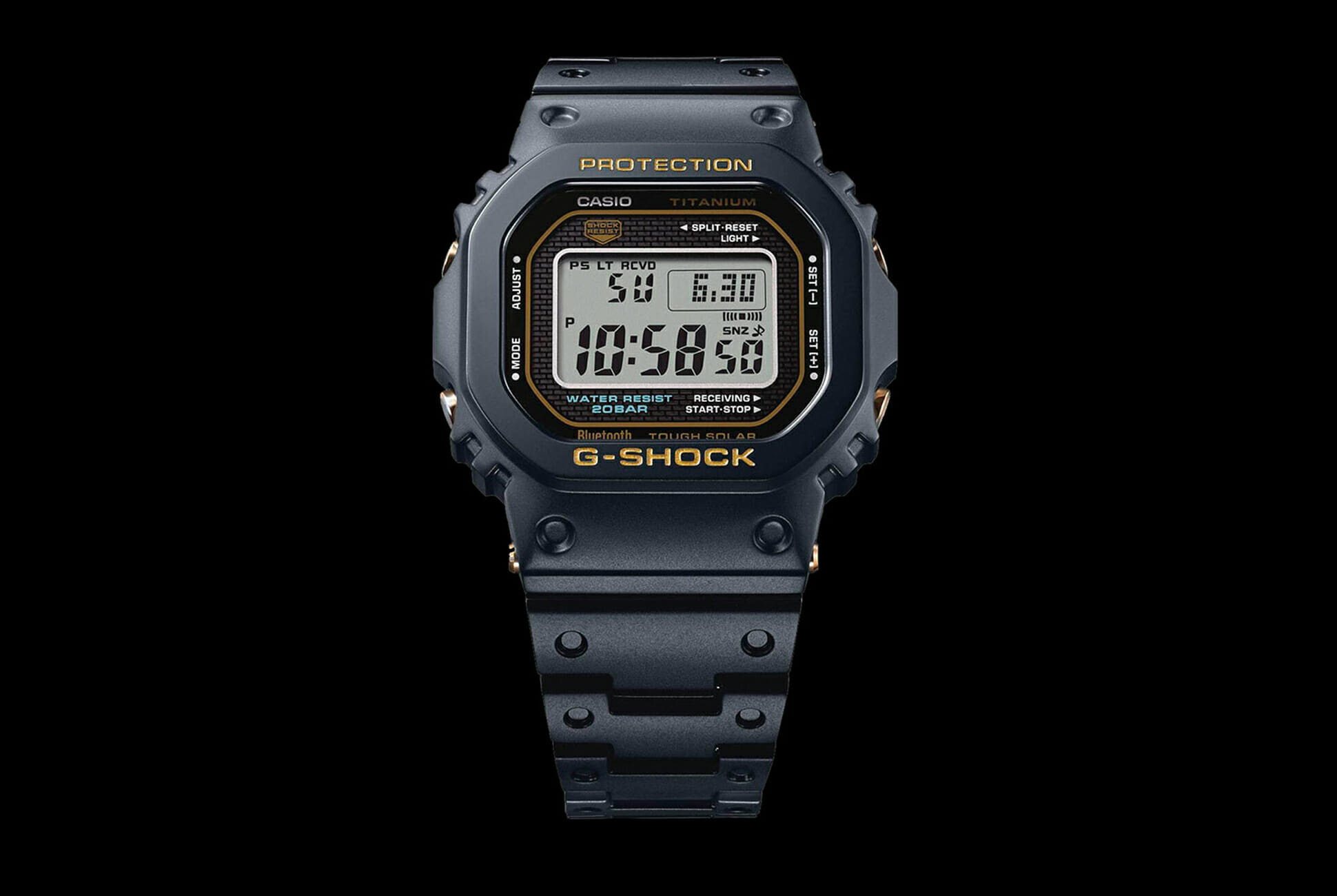
Consider bronze cases, the main benefit of bronze being the patina it develops over time. This, at a detriment to its durability, as bronze is a softer metal than steel. Regarding ceramic, it’s been developed in-house by brands like Hublot and Rolex, and it does have its virtues; highly scratch resistance and light weight…but comes with the potential for brittleness – especially as one goes down the price ladder. And despite Rolex’s superb engineering, there have been reports of shattering bezels. Titanium has similar benefits as ceramic: lightweight, hypoallergenic, and strong. Nonetheless, it is still much easier to scratch than steel and develops a bit of an odd patina.
So, it seems consumers are now picking aesthetics over durability when choosing a watch. Not that that hasn’t been done before, but this time it’s tied to the increasing view of watches as accessories instead of tools. Bronze was available when Gallet was working 500 years ago in Geneva, but other materials were preferred as the necessities were different at the time. I suppose as necessities have once again shifted, so too are the materials we use to make watches.