
Bulova Watches History
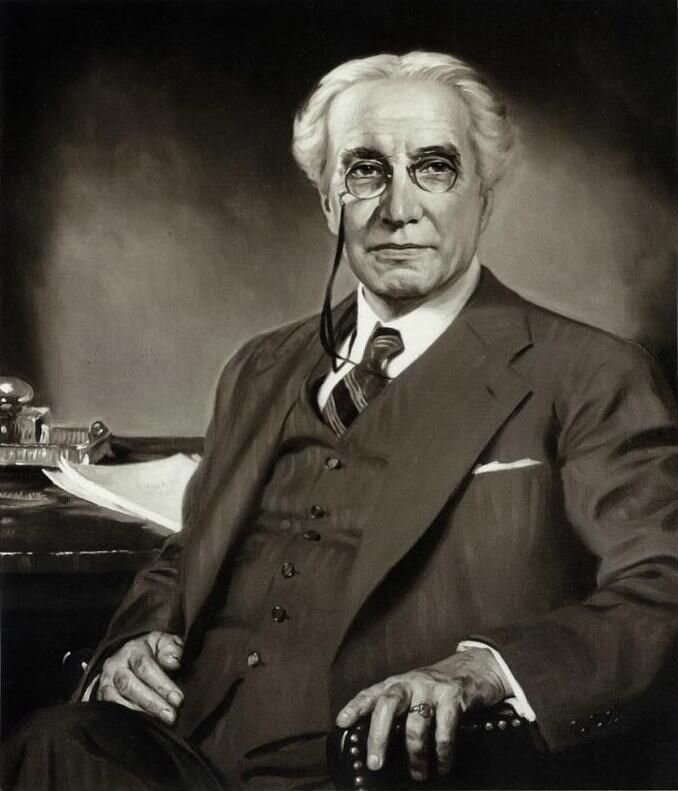
Joseph Bulova, the founder of the brand
Whenever people ask me what I think of Bulova, they often start with the idea that Bulova is a Swiss brand, “German or something”. Rarely does it cross a civilian’s mind that Bulova could be an American company founded by a Bohemian immigrant and now owned by a Japanese conglomerate. But then again, life’s full of surprises.
Born in Louny, of the modern-day Czech Republic, in 1851, Joseph Bulova immigrated to America as a young man and established a small jewelry store in New York City in 1875. It wasn’t until 1911 that Bulova started manufacturing timepieces, opening their first production plant the following year in Bienne, Switzerland. Initially, Bulova made table clocks and pocket watches, their method of mass production, somewhat inspired by Henry Ford, was new and innovative in the watchmaking world. Although, they didn’t sell in very high quantities until after World War I, once wristwatches had become somewhat popular in American society. In 1919, they released a full line of men’s wristwatches using visual advertising to make their watches popular with the American public. Bulova continued to be known for its unique marketing ideas and innovation, producing the United States’ first radio commercial in 1926 and 15 years later producing the first TV ad in history, which aired on July 1st, 1941. They also opened an observatory in 1920 and launched their first line of women’s watches in 1924.
These are just some of Bulova’s notable, early accomplishments – fast forward to the 2000s and Bulova was acquired by Citizen for about $250 million. Today, Bulova is known in the watch community for its Lunar Chronograph, inspired by astronaut David Scott’s personal timepiece worn on the Apollo 15 mission. However, its history is really remarkable, easily comparable to that of any European brand for its impact on society and relation to various historical events. Even though it may be somewhat of an obscure brand today, from a historical perspective it couldn’t shine any brighter.