
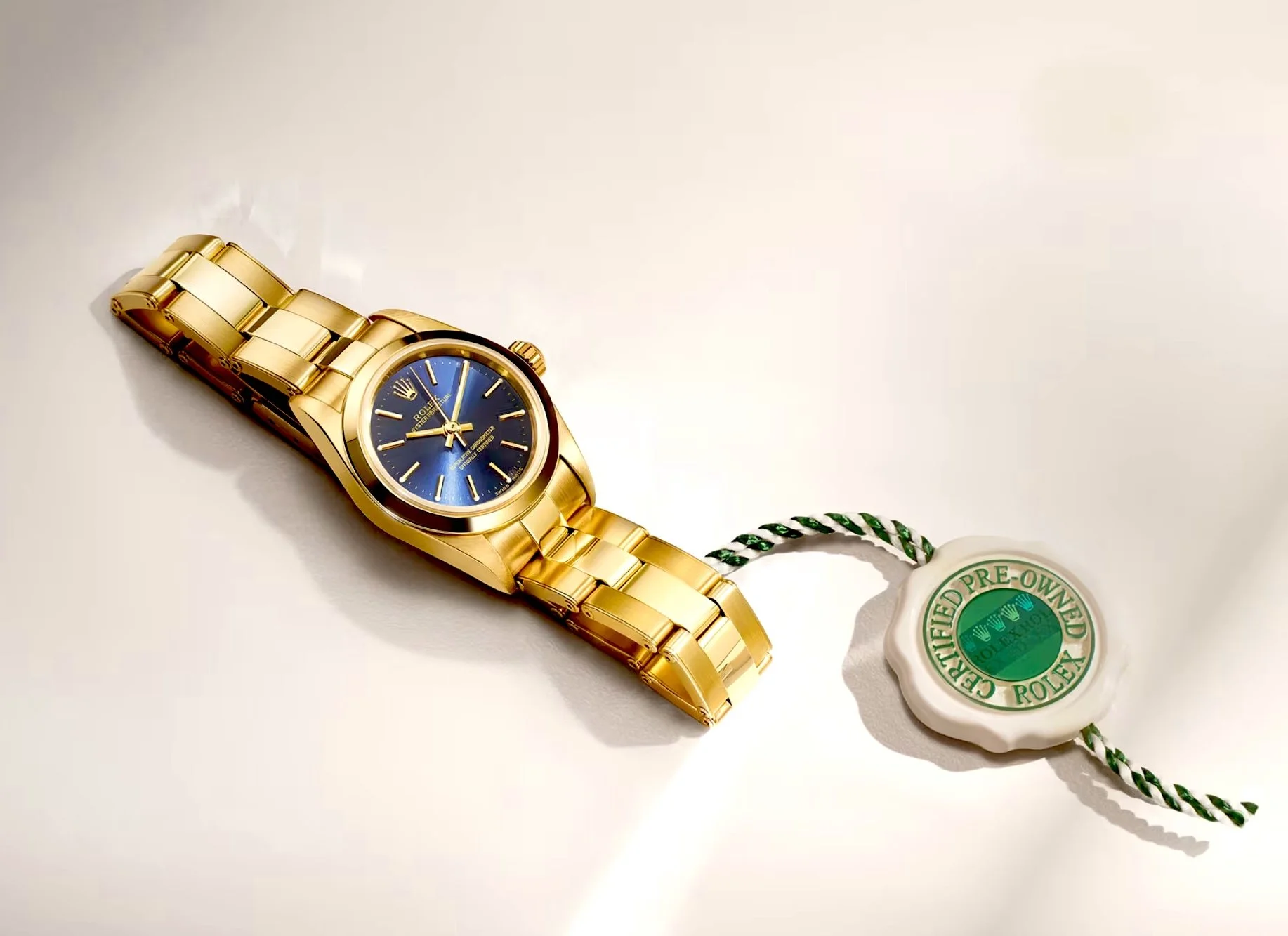
(Photo credit: Rolex)
There is no reason to doubt Rolex CEO Jean-Frédéric Dufour when he said Rolex does not plan to acquire more retailers beyond Bucherer. After all, mergers and acquisitions are complex and expensive, and the culture of an acquired company can be difficult to change. Still, Rolex should grow Bucherer’s footprint, as the brand is increasingly facing a new competitor: itself.
Rolex CPO may be the only competitor capable of weakening Rolex, since the brand earns no money from those sales, a fact confirmed recently by Rémi Corpataux, managing director of Rolex Germany. Yet the program, which was created to protect Rolex’s image, has become successful because it sells authentic Rolex watches certified by the brand. Rolex focuses on new watches, while the margin on CPO pieces stays with the retailer. Rolex says it will continue to let retailers keep 100% of the profit from CPO sales, even as the program has grown almost into a brand of its own, with sales estimated at about $500 million in 2025, up 60% from the year before.
The only way for Rolex to recoup more of that windfall is by expanding Bucherer’s footprint. Between Bucherer and its owned Tourneau stores, Rolex controls about 21% of global CPO inventory, slightly behind Watches of Switzerland, according to the latest WatchCharts estimates.
It is hard to overstate how the program has expanded Rolex’s secondary market rather than replacing grey dealers, as customers increasingly buy CPO watches when they visit Rolex boutiques instead of new models. Here are more staggering numbers: In the last three months of 2025 alone, CPO sales reached an estimated $172 million, which is roughly what Breguet generated in the entire year, according to Morgan Stanley.