
The Early History of Patek Philippe
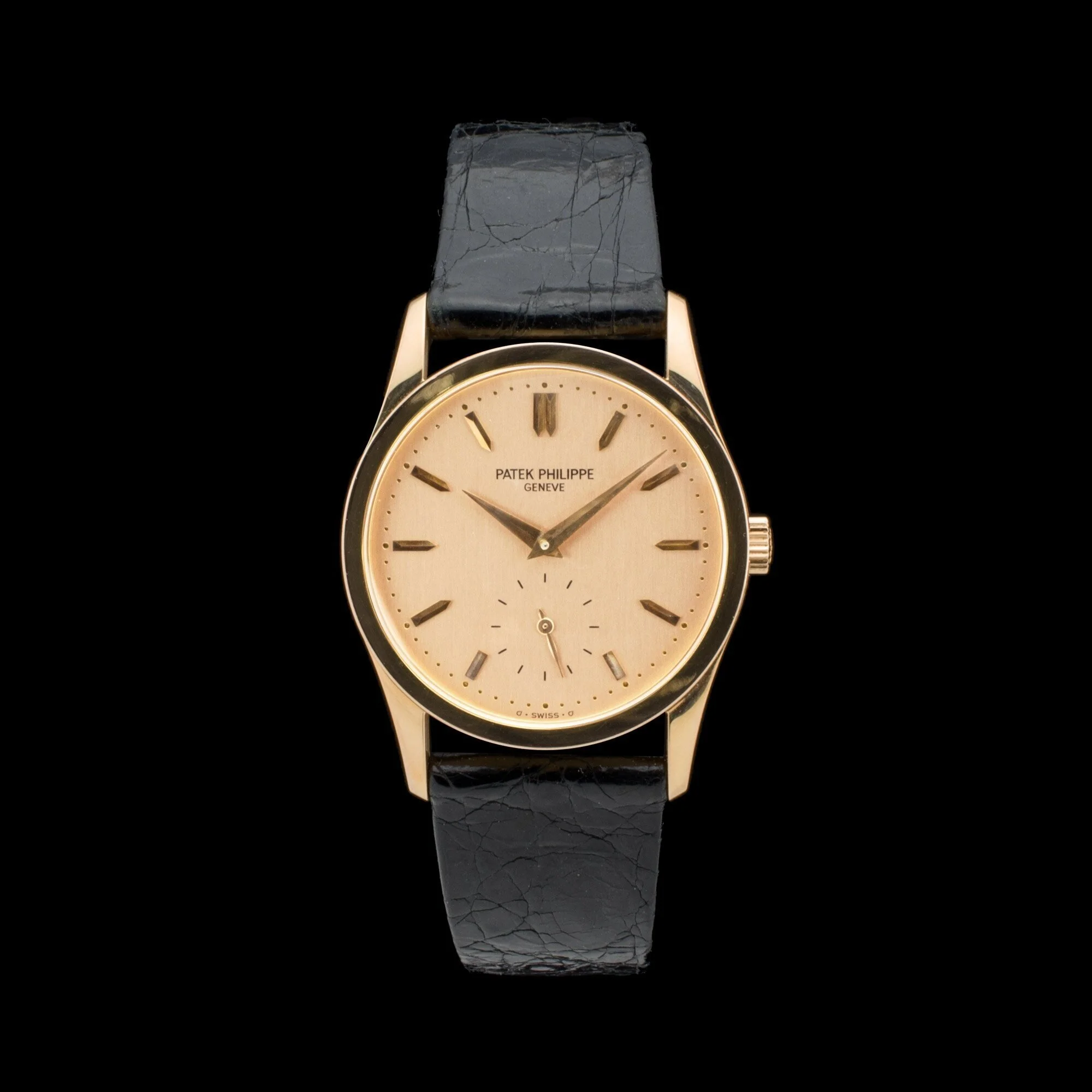
Calatrava ref. 3796 / Credit: Amsterdam Vintage Watches
Patek Philippe, dubbed the watch brand of royalty for the number of aristocrats who have owned their timepieces. Its history is well known, it was founded in 1839 by Antonie Norbet de Patek and Francois Czapek. The partners split soon after and Antoni partnered with French watchmaker Jean Adrienne Philippe. But what exactly were some of the key events that led them to gain popularity early on?
Patek Philippe initially started manufacturing only a couple hundred watches per year; pocket watches with decorations focused on Polish heritage, which started to catch the eye of many, like Russian Princess Zubov who purchased a pendant watch in 1839. They were already known for quality, but when Adrienne Philippe joined in 1845, he brought with him the keyless winding mechanism, a component patented by Adrienne that same year which allowed for people to wind their watches manually using the crown as opposed to using a key (which was the most popular technology at the time). Although it took a while, the keyless winding mechanism was not only commercially successful but cemented Patek Philippe’s position as a technology powerhouse.
Not long after, there was another significant event, one that’s public relations potential was so great it is still discussed to this day.
Hyde Park, London, 1851: among the fray of different instruments and peculiarities, two items were presented to Prince Albert and Queen Victoria at the Great Exhibition that stood out from the rest, two Patek Philippes - which they both purchased. The prominence of the royal couple, which at the time extended not only to Europe, but to most of the world given the extent of the British Empire at the time, was very significant for Patek's brand. It served to increase Patek’s prominence and drive other aristocrats and notable historical figures to purchase their watches.
Despite the massive success, Patek Philippe, unlike many other brands that have always stuck to their roots, that is; keep innovating and keep making high quality, traditional watches. The reason for which they maintain their position to this day.