
A HISTORICAL OVERVIEW OF RECESSIONS AND THE SWISS WATCH INDUSTRY
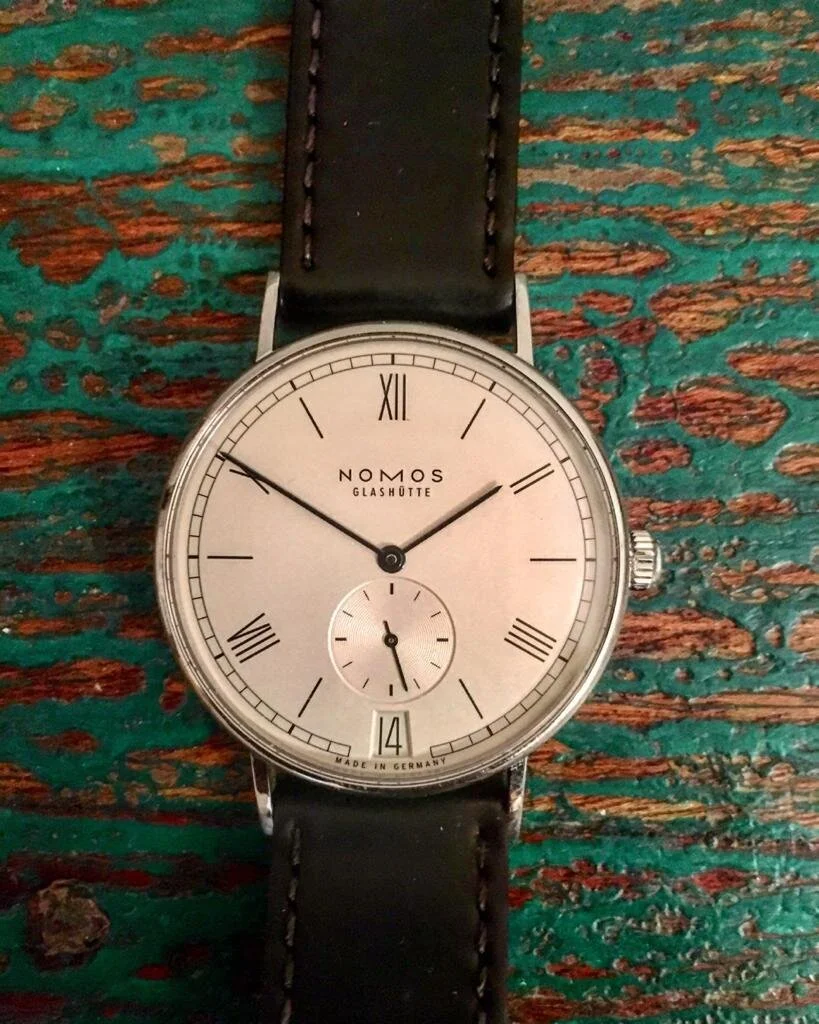
NOMOS Ludwig 38 date ref. 231
As the global economy faces a recession once again, those of us in some way invested in the watch industry are beginning to wonder how it can affect our business and our hobby. On March 30th, 2020 the S&P 500 sat at $2,565.91, the Dow Jones was at $21,699.45, the Nasdaq was at $7,588.65, and the TSX was at $12,615.24.
In general, the consensus is that the dips in productivity and consumption due to the coronavirus outbreak are the cause of the economic recession, but in some cases, like Canada, some theorize that the outbreak was simply a catalyst for something that was long coming. As far as the watch industry goes, watches and their derivatives are luxury goods – and as such have elastic demand. In other words, watches are non-essential goods (at least to most people) and people should buy less of them in a recession. This is mainly the reason for which people have already started to notice (or rather be hopeful for, dips in the prices of vintage watches, Rolexes, and others – for example), as vintage watch/grey market dealers find themselves first in line. The questions for us to answer today are two-fold: how have recessions (the Great Depression and the Great Recession) affected the watch industry in the past and how could a global recession affect it today?
There are two recessions everyone knows and they ironically have very similar names, the first being the Great Depression which lasted from 1929 to 1939, leading into World War II. And the second was the Great Recession from 2007 to 2009.
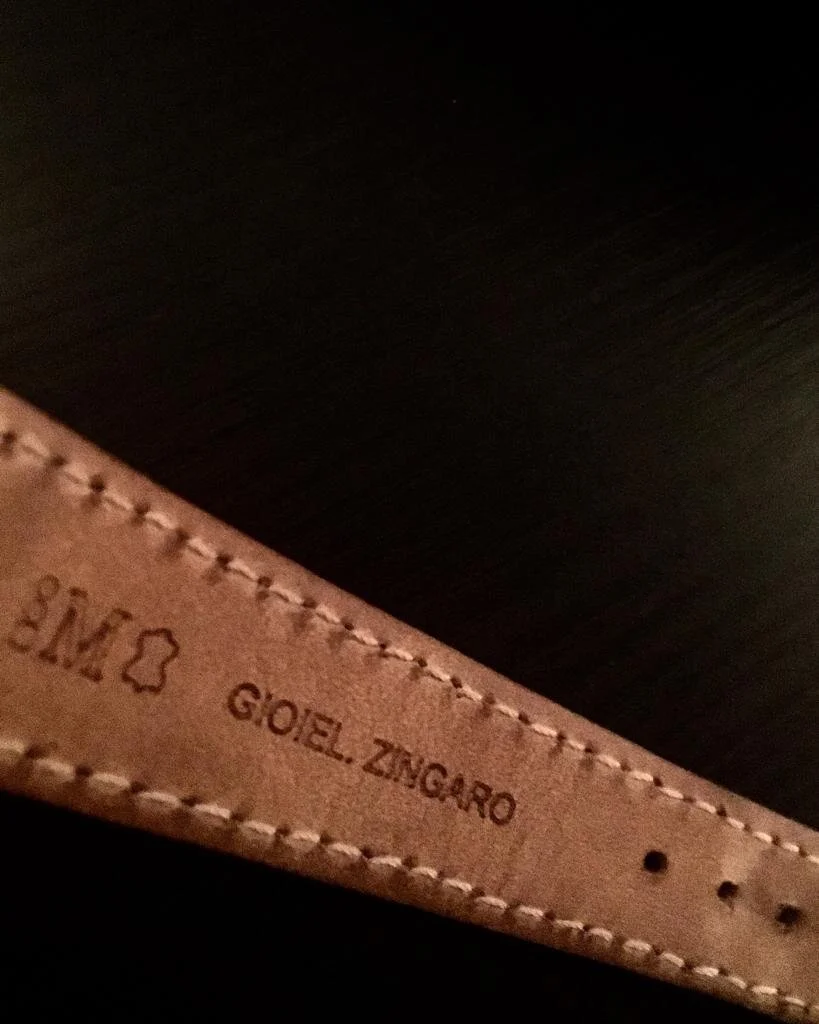
Morellato Brazilian crocodile watch strap
The Great Depression
The causes of the Great Depression were a few, but generally go back to the 1929 market crash (days that go by names like Black Tuesday) and the bank runs that followed in the early 1930s. People had taken out loans to buy stocks in the stock market, which had been soaring previously (much like it was recently) under the policy of President Herbert Hoover. When the market collapsed people not only lost their stocks, but were unable to payback the loans they had taken out to buy those stocks in the first place. But the banks had also lost money, and tried to call in their loans – which they couldn’t as people had lost their money. And as we now know, banks hold a notoriously low percentage of their deposits in cash, so when it got out that banks were facing a liquidity problem, people rushed to get their money out the bank – which they couldn’t as the banks had no money. This, naturally, created panic, that was further exasperated…basically by itself - as is the nature of panic. Banks were left without cash and went out of business; businesses were left without the ability to take out loans or defaulted on their existing loans as people consumed less and went out of business. This created an environment in which people were basically permanently out of work, with no prospects for work for some time to come; hence the name Great Depression.
One of the factors that really made it a global affair was the gold standard, which forced countries to continuously raise interest rates to fix trade imbalances leading to deflation. One of those countries was Switzerland, home of the watch industry.
The watch industry was not at all spared by the onslaught – the most recognizable example of the what happened today is what happened to Patek Philippe. The company had been transformed to a joint stock company in the early 20th century (1901) and was still controlled by the Philippe family. However, facing loses due to the economic downturn of the Great Depression, the brand was sold to the Stern family (brothers Jean and Charles Stern) in 1932. Adrien Philippe, son of Joseph-Emile, being the last overseer of the company for the Philippe family.

Patek Philippe Nautilius ref. 5711 / Credit: Patek Philippe
But that’s just a superficial example. In reality, Swiss industrial production, much of which was watches, fell by 20% between 1929 and 1932 and struggled to return to 1929 levels for the next decade. The watchmaking sector was one of the earliest and hardest hit as it relied heavily on exports which were slowed down substantially as fortunes were lost (export industries in specific saw a 30% drop in production). Between 1929 and 1930 the value of Swiss watch exports fell by approximately a quarter, falling to about 95,000,000 francs in 1931. A decrease of 70% between 1929 and 1931. Audemars Piguet’s George Henri Meylan said in an interview with swissinfo.ch that, “… (Audemars Piguet) nearly closed because of the Great Depression. We had one or two watchmakers working on repairs but no one in production.” A situation he describes as lasting through the Second World War. Minerva is another company that struggled financially and was sold to the Frey family. The underlining idea being that there was a significant decrease in watch sales – which returns to what was said earlier about watches’ elastic demand. Another effect was that of unemployment in the watch industry, which affected thousands of workers in the early 1930s (there were 57,000 in 1929). The watch industry being centered in certain cantons of Switzerland, also created a situation in which many other businesses, like cantonal banks for example, struggled and were eventually restructured.
The situation was not at all dissimilar in the United States, which had been a burgeoning watch market until then. Brands like Hamilton, Waltham, Elgin, Waterbury, and Bulova had significant sway over the American watch market, and were even exported internationally. These companies were instrumental to industrializing the watch industry in the late 19th and early 20th centuries, a system of production that quickly spread to Europe. However, much like the situation in Europe, people weren’t buying watches at a time when the global economy was in chaos and World War II was just getting started. Waltham, for example, that had spearheaded the shift to mass production in the watch industry, went out of business in 1949, after World War II.
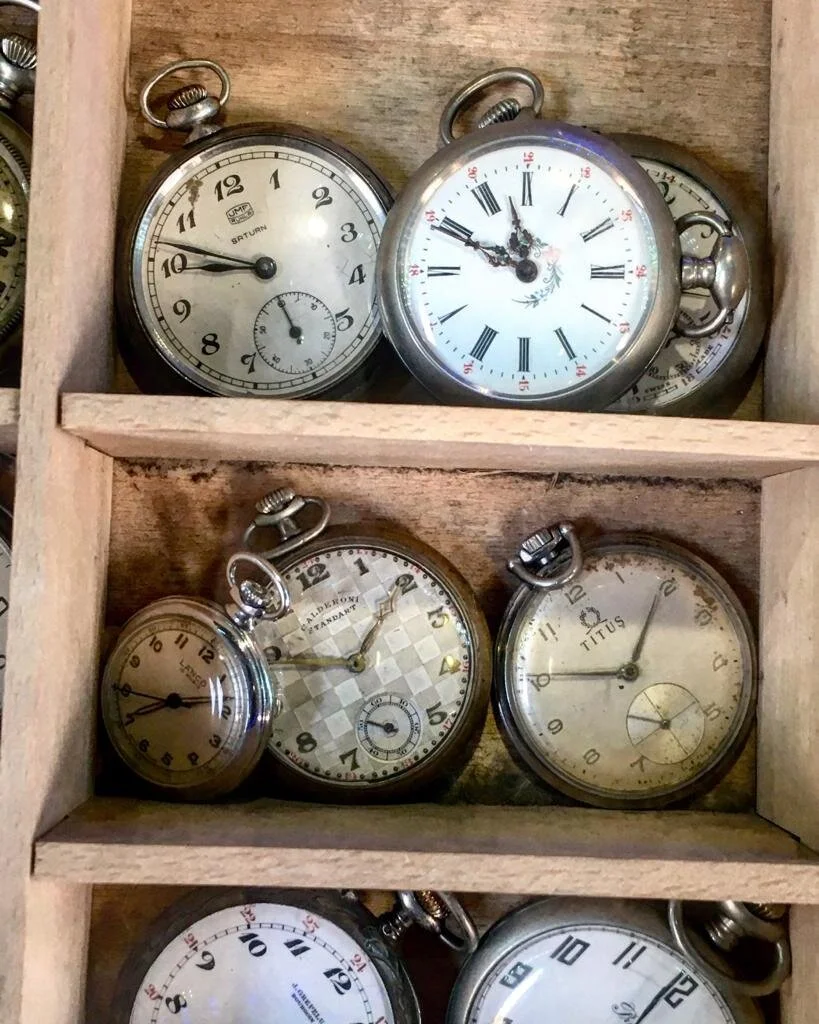
Assortment of 20th century pocket watches
One important thing to note is that watches were still being produced and sold, remember the Jaeger-LeCoultre Reverso was released in 1931 and did just fine. Those who had accumulated wealth were still able to indulge in luxuries like watches and jewelry; but people who had lost jobs or lost money made up a large portion of the previous customers of the many watch brands at the time. And losing those customers had noticeable effects. Although in general, it can be said that the higher end watch brands will be less effected than lower end and mid-range watch brands.
The Great Recession
Now turning to the more recent recession, that of 2007-2008, that was caused primarily by the crash of the US housing market – which was built on the back of people defaulting on mortgages they couldn’t afford in the first place. And was amplified by the billions in derivatives that became worthless when those homeowner’s defaulted, making the price of houses plummet and putting banks, once again, in an extremely perilous position.
Leading up to the Great Recession, the Swiss watch industry was thought to be in some ways recession proof, as previous recessions of the mid to late 20th century had affected the industry far less. Although, the industry was having growth issues, and at the time, as it had not yet penetrated the Asian market, the watch industry was once again hit by recession. Between November 2007 and November 2008 Swiss exports fell by about 15% in value, with mid-range watches seeing a drop of 30%. This effect also extended to trade shows like SIHH which saw a notable decline in visitors at the time. However, the watch auction market was very healthy during the downturn (growing by 51% between 2007 and 2008), suggesting again that higher-end timepieces were still seeing strong demand in the market. The luxury market as a whole shrunk by 9% between 2008 and 2009, but was quickly offset by the uptick in Chinese consumer spending, triggered by the growth of their middle class – which has remained an important part of luxury and watch industry revenues ever since.

Vacheron Constatin Historiques Cornes de vaches 1955 / Credit: Monochrome
So, could a recession destroy the watch industry as we know it? Well, given that last piece of information we should add to our consideration of how the watch market may be currently affected by a recession, the fact that it is much more interconnected with the Chinese market (which has grown substantially since the last time around) today than it was 10 or 12 years ago. China seems to be one of few countries that remain relative stable economically in the face of the coronavirus epidemic, with many of its cities seeing work recommencing and traffic increasing once again, like in the case of Shanghai. China could not only help prop up the potential decline of the Western watch market but it could even use the market downturn as an opportunity to take market share. Who knows? Perhaps Chinese tourbillons will become a staple in the years to come. Regardless, if we consider that the United States and China are the largest markets for watches today and that virtually all retail stores are closed in the US and Europe, negatively impacting sales for watch brands and auxiliary businesses like online retailers and watch media (even if the quarantine measures internationally were lifted in the coming months); the negative effect should be substantial. And that discounts the logistics issues that arise due to the outbreak that will increase shipping costs and slowdown delivery times.
Another consideration is that a second competitor for market share from traditional watches could be smartwatches, which were already gaining in popularity and putting up very high sales figures in 2019. Apple alone outselling the entire Swiss watch sector with their smartwatches. Smartwatch brands could take advantage of the looming cultural shift, where the general public looks at luxury and excess with disdain after having seen how a shortage of supplies has affected them.
Finally, there’s the considerations of the auxiliary businesses that surround the actual watch industry: retailers, online retailers, online accessory stores, strap makers, watch media; all businesses that have already been affected as delivery systems collapse and customers cut their budgets, reducing non-essential spending. Watch media suffers especially as retailers shut down and brands slow down their sales: the first thing they cut are marketing costs. Stackline found that between March 2019 and March 2020 the 'Watches and Accessories’ e-commerce category saw a decline of 49%. So, effects are already being seen.
When you tie it all together, I’d say that yes, we can expect the downturn to hurt the watch industry, especially companies based in Europe where most countries are already looking at a certain slowdown. But destroy would be a bit strong. Although there have already been several signs of the effect as both Watches and Wonders and Baselworld were postponed and Rolex/Tudor and Patek Philippe cancelled their 2020 releases. Patek is even allowing retailers to sell online!
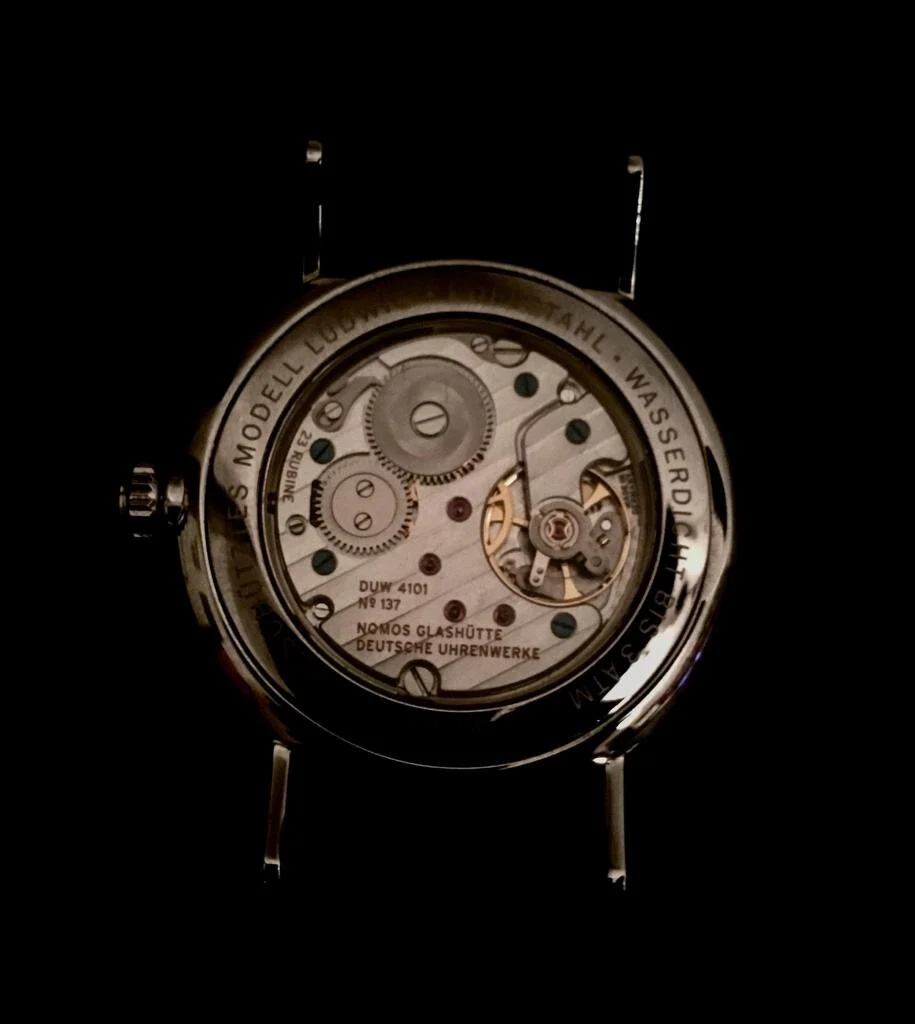
NOMOS Ludwig 38 date ref. 231
However, there is hope, and I do think there are still creative ways to make money – although not all businesses will be so versatile. The watch industry may benefit from being forced to adapt to novel technologies and online sales channels, which could seriously hurt the retail business if sales from those channels are replaced by direct to consumer sales by the brands themselves. However, retailers that are able to switch to online sales – those that were early to social media and building up their online presence – should be able to weather the storm. What worries me most is that without a big boost like the rise of the Chinese middle class in the early 2000s (which brought with it the rise of the Chinese watch market after the Great Recession), the traditional watch industry may have nothing to prop it back up to regular levels (never mind growth based on 2019 figures) when the crisis passes; which could lead to structural changes to the watch industry like we saw at the end of the Great Depression, with the cartelization of the Swiss watch sector. Perhaps this time it will be smartwatch companies that rise above or Chinese holding companies that will go on an acquisition spree, buying up all the watch companies that are in trouble in Europe and North America. The only glimmers of hope seem to be that the high-end watch category may remain relatively unaffected, as has been shown historically. Or that online channels can be used effectively to compensate for the loss of revenues facing all parties to the watch industry. Perhaps it can be seen as an opportunity for watch companies to exploit modern technology and streamline their operations but also for the truly exceptional, value adding brands and businesses to rise above. After all, ETA rose from the ashes of the Great Depression to become a powerhouse movement maker and the Swatch Group came up as a result of the devastation caused by the Quartz Attack. Who’s to say someone else won’t do the same post-Coronavirus Crisis.
By: Andres Ibarguen