
The History of the Tudor Oysterthin

Tudor Oysterthin ref. 7960 featuring the 21-jewel version ETA 2402 / Credit: Wanna Buy a Watch
Swiss watch companies have competed for many decades to produce and commercialize thinner and thinner watches. The battle was most intense in the mid-20th century, when houses like Piaget, Vacheron Constantin, Jaeger-LeCoultre, and Audemars Piguet were all competing for top spot. Piaget seems to have come out on top after so much time, having released the new Altiplano Ultimate Concept in mid-2020; a dress watch that measured an incredible 2 mm in thickness.
History of Ultra-Thin Timepieces
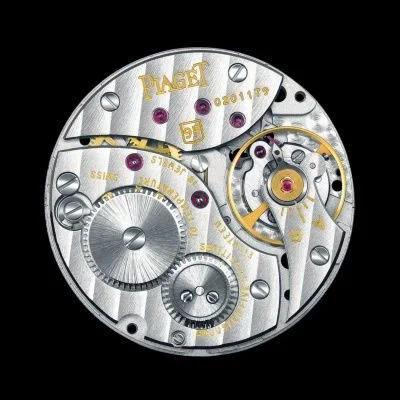
The Piaget Caliber 9P
2 mm may seem impressive and people were shocked when Piaget came out with their first 9P Caliber at Baselworld in the late 1950s. However, Jaeger-LeCoultre had been going hard since the early 20th century! In 1907, Jaeger-LeCoultre broke a record that remains unbroken when they produced the JLC Caliber 145, which measured only 1.38 mm. This is a tradition Jaeger-LeCoultre kept going until this day, releasing the Caliber 803 in the early 1950s, before Piaget’s Caliber 9P in 1957. They followed that up with the Caliber 838/839, which came about in the early 1960s and measured 1.84 mm. And more recently, released in 1994, Jaeger-LeCoultre released the Caliber 849 – which is made of 123 parts and is only 1.85 mm thick!
Apart from these, other ultra-thin movements to note are the Piguet 21, which was just 1.75 mm thick and in top place since the early 1920s, until it was overtaken by the Audemars Piguet Caliber 2003, made with Vacheron and Jaeger-LeCoultre, in the late 1940s. The AP Cal. 2003 measured 1.64 mm.
When it comes to the Rolex family, the Tudor Oysterthin was the model they produced to compete in this world of thin timepieces. So, how did it hold up?
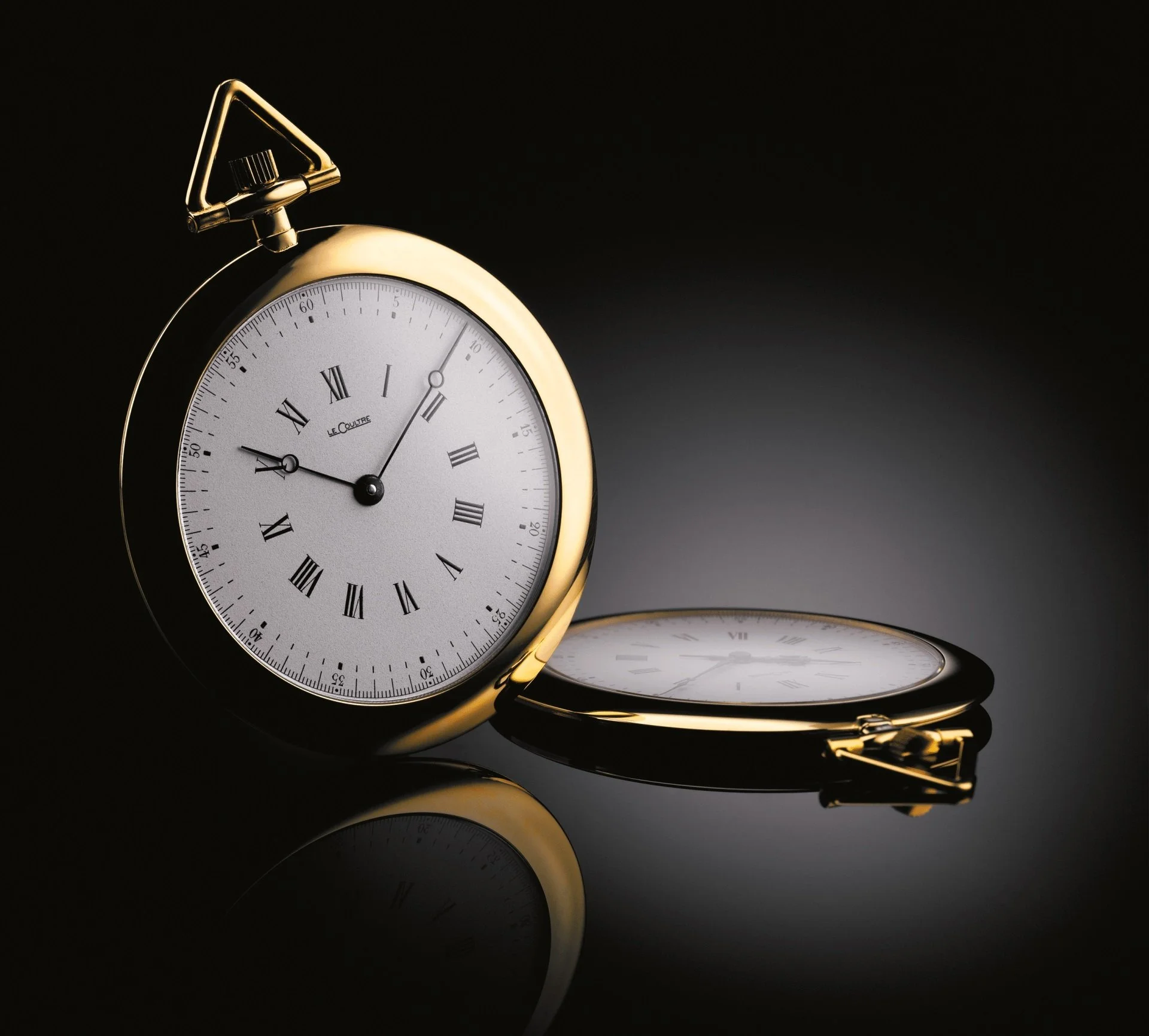
The Jaeger-LeCoultre ‘Couteau’ pocket watch powered by the ultra-thin Cal. 145
The Tudor Oysterthin ref. 7960

Tudor Oyster ‘Elegante’ ref. 7960 / Credit: Blackbough
Well, in comparison to the above, the Tudor Oysterthin, reference 7960, wasn’t exactly that thin…it was 6 mm thick. Not so ground-breaking considering it was released 50 years after the Jaeger-LeCoultre Caliber 145, not to mention the myriad of other, thinner movements that were available at the time. Then again, this was a waterproof Oyster case. And, despite its size, the Oysterthin was very aesthetically pleasing, symmetrical and simple with the Tudor ‘Rose’ logo on the dial. It was powered by the manual winding and thin ETA Caliber 2402, which had a 47-hour power reserve and 18,000 bph rate.
While only being produced between 1957 and 1963, the Tudor Oysterthin is not particularly rare. It is a great watch, a great alternative to the regular Oyster Prince or what have you, but certainly not a ‘thin’ watch on the standards of the aforementioned greats. Somehow, though, that makes the name all the more appealing…In reality the Tudor Oysterthin is more ‘slim thick’.
By: Andres Ibarguen