
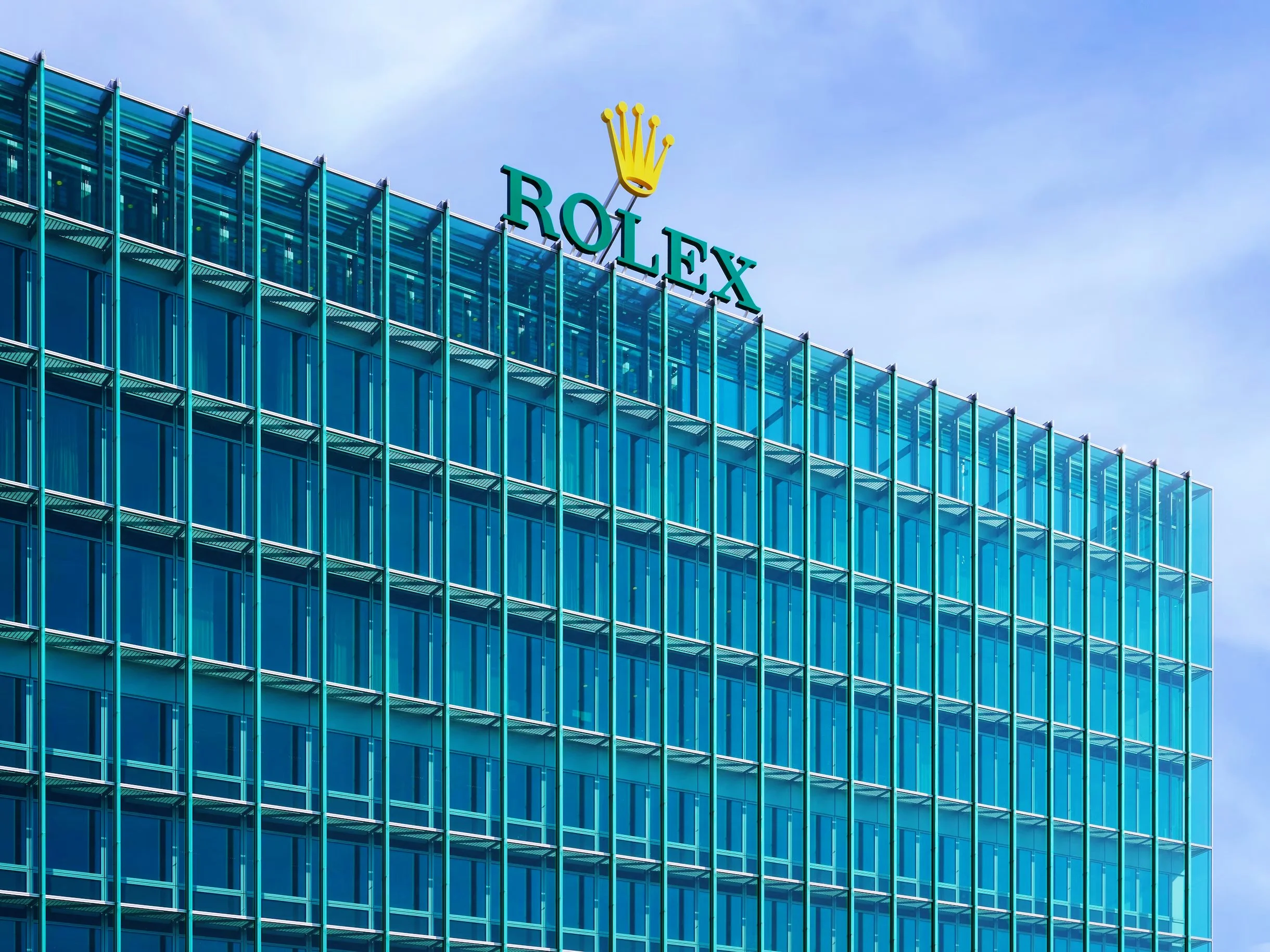
(Photo credit: Rolex)
It’s not unusual for Rolex to register dozens of soundalike trademarks, names like “Datejuster,” “Master-Datejust” or “Coast-Dweller,” not with the intent to produce new models, but to protect its nomenclature from imitations. These filings are a form of brand defense, shielding names closely tied to the Rolex identity.
But the brand’s decision last week to register “Haplos,” a name that is not a riff on anything in the current lineup, is worth writing about. When researching the Greek-sounding word, I mostly ended up on biblical Greek websites, where translations range from “simply” and “in short” to “singleness” or “sincerity.” It is also the title of a 1982 Filipino horror movie, though that connection seems unlikely.
“Haplos” sounds easily brandable across languages, something Hans Wilsdorf himself would likely have approved of. When it comes to naming new technologies, Rolex tends to favor portmanteaus rather than poetic standalone Greek words: Dynapulse, Cerachrom, Chromalight, and Everose, to name a few. And with a catalog already full of dormant names like the Milgauss, Tru-Beat or even the recently trademarked “Padellone,” it seems unlikely the brand is preparing yet another entirely new watch line.
Which brings us back to the strange design filing for a desk clock first reported in these pages. Rolex has made desk clocks before, but they were typically desktop interpretations of existing watches, like the Submariner desk clock, the Air-King or even a Datejust seen on the Resolute Desk last fall. The new desk clock looks nothing like an existing Rolex, appearing to be a skeletonized watch module resting on a triangular incline, almost architectural in form. Come to think of it, the structure itself does evoke something vaguely Greek.