
The Development of Watch Bracelets in the Mid-20th Century
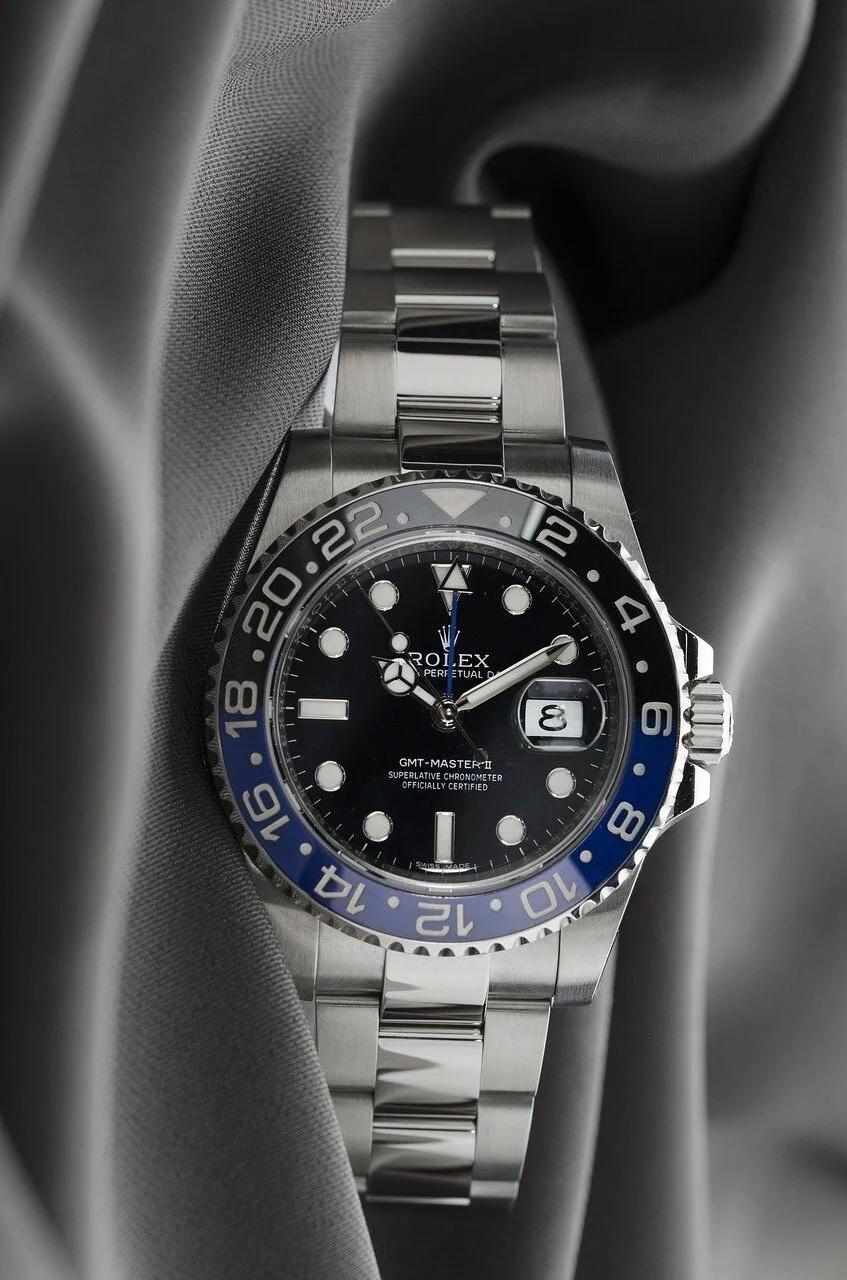
Watch bracelets are often overlooked as a standard component of modern timepieces, however, there is a notable history behind their development. A major factor in the evolution of bracelets has been the material used for their production, steel. Over time, bracelets have gone from rivet steel to fold-over steel, and eventually solid-link steel. This change can mainly be attributed to two factors: production costs and consumer preferences.
Rivet steel bracelets were already expensive to produce in the early 20th century, made worse by the global instability of the World Wars. This led to the increased popularity of fold-over bracelets, as they used less steel and were easier to manufacture. After the World Wars, with rationing abolished and technological/economic development back on the rise, steel cutting methods improved and production costs decreased; expanding the availability of steel bracelets. However, since steel bracelets were regarded as exclusively for ‘tool’ watches at the time, and therefore inappropriate for social occasions, it was only as tastes shifted that their use became widespread. This was especially true towards the mid-1970s as consumers gained interest in what we today call 'beater' watches. Just as quickly, brands like IWC and Patek Philippe released new timepieces to take advantage of the changing trends, see: Gerald Genta's Ingenieur "Jumbo", released in 1976, and the Nautilus, also released in 1976.
Over the years many brands have tried their hand at developing distinctive bracelets, the most iconic among them being Rolex’s Oyster bracelet, whose original design can be attributed to Gay Frères S.A. Gay Frères was eventually acquired by Rolex, who continues to use the Oyster and Jubilee as their signature bracelets.